US Reveals Details on China's Alleged Secret Nuclear Test, Sparking Arms Control Debate

U.S. Reveals More on China's Alleged Secret Nuclear Test
The United States has intensified its accusations against China, providing fresh details on a purported secret nuclear weapons test conducted in 2020. A top State Department official, speaking at international forums, disclosed seismic data showing a 2.75 magnitude event near China's Lop Nur site on June 22, describing it as a "yield-producing" explosion using decoupling techniques to mask activity.[3][4] This revelation aims to counter skepticism amid global tensions.
China's Denial and U.S. Response
Beijing firmly rejects the claims as fabricated lies and political maneuvers to justify America's own nuclear ambitions. Chinese officials argue the U.S. is exploiting the issue to resume testing, especially after the New START treaty expired on February 5, leaving a disarmament vacuum.[1][2] President Trump vows to restart tests on an equal footing, pushing for a trilateral deal with China and Russia.[3]
Implications for Global Arms Control
Experts warn this could unravel longstanding bans, sparking a testing cascade among nuclear powers. While no clear seismic proof from independent monitors confirms the blast, the dispute highlights China's expanding arsenal, projected to reach 1,000 warheads by 2030, challenging U.S. superiority and threatening stability.[2][4]
About the People Mentioned
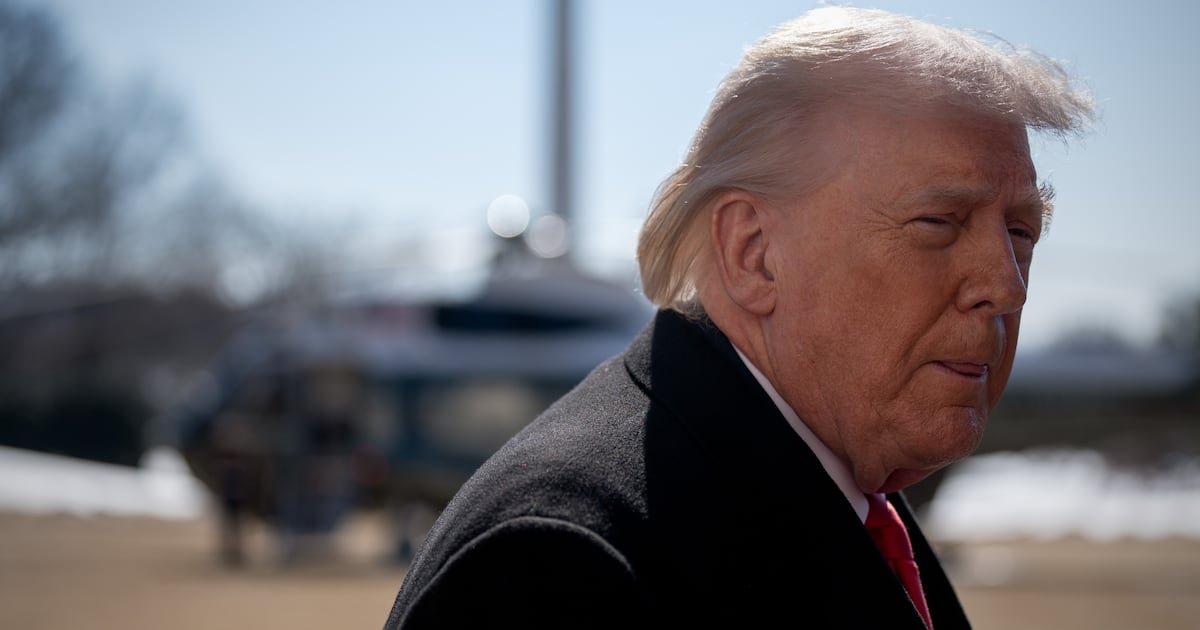
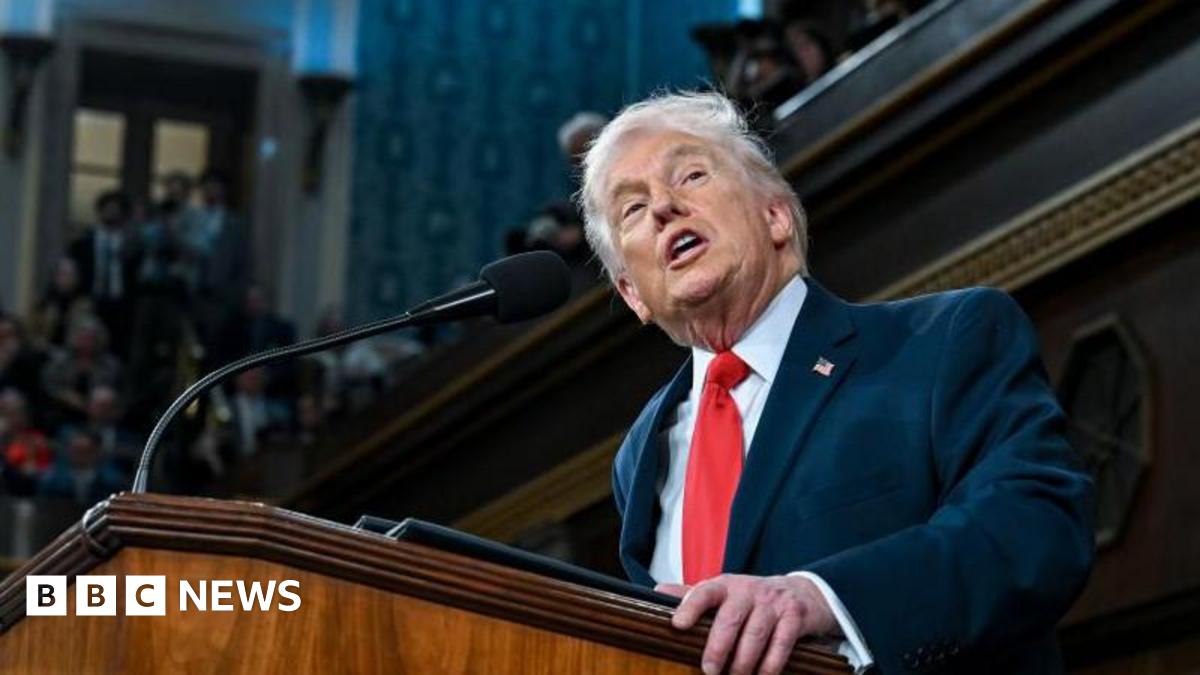
Donald Trump
Donald John Trump, born June 14, 1946, in Queens, New York, is an American businessman, media personality, and politician. He graduated from the University of Pennsylvania’s Wharton School in 1968 with a degree in economics. In 1971, he took over his family’s real estate business, renaming it the Trump Organization, through which he expanded into building and managing skyscrapers, hotels, casinos, and golf courses. Trump gained widespread fame as the host of the reality TV show *The Apprentice* from 2004 to 2015, which helped establish his public persona as a successful entrepreneur. Trump entered politics as a Republican and was elected the 45th president of the United States, serving from 2017 to 2021. His presidency was marked by significant policy actions including tax cuts, deregulation, the appointment of three Supreme Court justices, renegotiation of trade agreements (notably replacing NAFTA with the USMCA), and a focus on immigration control including border wall expansion. He withdrew the U.S. from international agreements such as the Paris Climate Accord and the Iran nuclear deal, and engaged in a trade war with China. His administration’s response to the COVID-19 pandemic was criticized for downplaying the virus’s severity. Trump was impeached twice by the House of Representatives—first in 2019 for abuse of power and obstruction, and again in 2021 for incitement of insurrection—but was acquitted by the Senate both times. After losing the 2020 election to Joe Biden, Trump challenged the results, culminating in the January 6, 2021, Capitol riot. He remains a central figure in American politics, having won the 2024 presidential election and returned as the 47th president in 2025, continuing to promote policies aimed at economic growth, border security, and military strength[1][2][3][4].
About the Organizations Mentioned
United States Department of State
The **United States Department of State** (DOS) is the federal government's principal foreign affairs agency, established in 1789 as the first executive department under the U.S. Constitution.[1][3] It serves as the president's chief instrument for conducting diplomacy and implementing U.S. foreign policy worldwide. ## Core Functions and Responsibilities The State Department's primary mission is to protect American citizens and advance U.S. interests abroad through diplomacy, advocacy, and assistance.[4] Its key functions include negotiating international treaties, representing the United States in international organizations like the United Nations, issuing passports and visas, and coordinating humanitarian assistance and refugee programs.[1] The agency also protects Americans traveling or living overseas, assists U.S. businesses in international markets, and maintains foreign travel advisories.[2] ## Organizational Structure and Global Presence Headquartered in Washington, D.C., the State Department maintains 271 diplomatic posts worldwide—the second-largest diplomatic network globally, surpassed only by China's Ministry of Foreign Affairs.[2] The agency operates through functional bureaus addressing specific issues like arms control, the environment, and human rights, as well as regional bureaus focused on geographic areas such as East Asia and Europe.[6] The department manages the U.S. Foreign Service, which provides professional diplomatic personnel and training to officials and military personnel.[2] ## Budget and Leadership With an annual budget of $38.8 billion, the State Department represents 0.6% of federal spending.[1] The Secretary of State, nominated by the president and confirmed by the Senate, serves as the president's principal foreign policy advisor and heads the agency.[1] ## Notable Capabilities Beyond traditional diplomacy, the State Department administers the Bureau of Intelligence and Research (the oldest U.S. civilian intelligence agency) and the Diplomatic Security Service, which prot