Venezuela's Oil Nationalization: PDVSA, OPEC, and the Rise and Fall of Venezuela's Oil Wealth

Venezuela's Historic Oil Nationalization
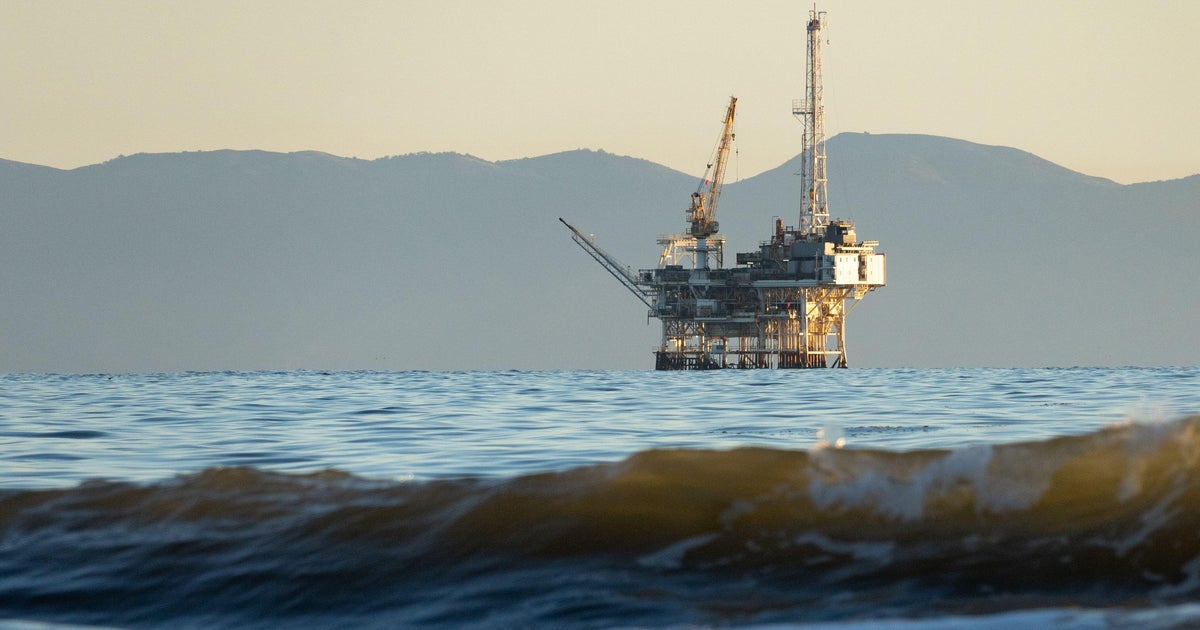
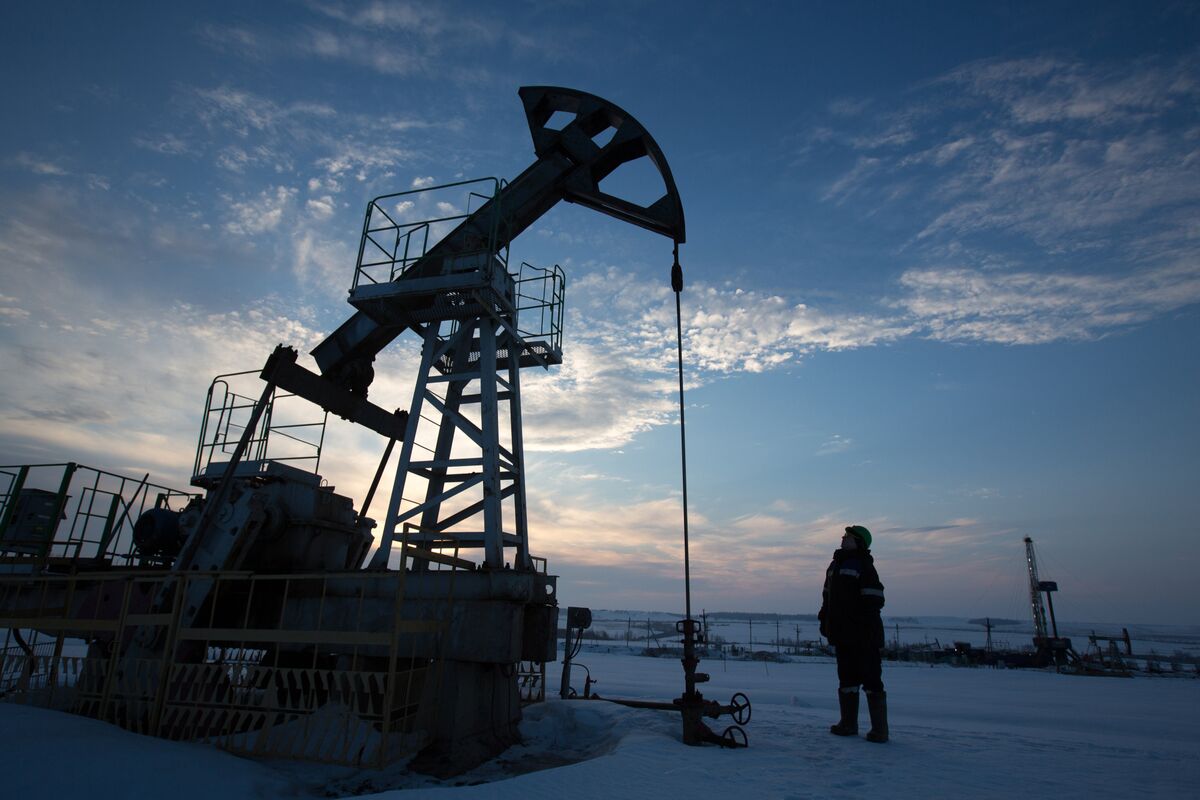
Venezuela's government took decisive control of its petroleum industry on January 1, 1976, marking a pivotal moment in the nation's economic history. President Carlos Andrés Pérez nationalized hundreds of private businesses and foreign-owned assets, establishing Petróleos de Venezuela S.A. (PDVSA) to oversee all exploration, production, refining, and exporting operations. This transformation ended decades of foreign corporate dominance in the oil sector.
The Path to Nationalization
Before 1976, Venezuela implemented gradual reforms to reclaim control over its resources. The 1943 Hydrocarbons Law required foreign companies to share profits with the state. By the 1970s, during an oil boom that quadrupled prices following the OPEC embargo, Venezuela positioned itself as Latin America's wealthiest nation per capita. Nationalization represented the culmination of these efforts to redirect oil revenues toward national development.
Long-Term Consequences
While nationalization initially strengthened Venezuela's economy, subsequent mismanagement and corruption undermined its potential. Strategic petroleum reserves declined over decades, and billions in oil wealth disappeared through embezzlement and poor governance decisions.
```About the People Mentioned
Carlos Andrés Pérez
Carlos Andrés Pérez (1922–2010) was a Venezuelan politician and two-term president who served from 1974 to 1979 and 1989 to 1993, known for his leadership in the Democratic Action party and key economic reforms.[1][2] Born on October 27, 1922, in Rubio, Venezuela, Pérez rose through the ranks of the liberal Democratic Action party under Rómulo Betancourt, serving as his secretary after the 1945 overthrow of President Isaías Medina Angarita. Exiled following a 1948 right-wing coup, he returned in 1958 after the fall of dictator Marcos Pérez Jiménez, holding posts like Minister of the Interior from 1962 to 1963, where he suppressed left-wing radicals.[1][3] Pérez won the 1973 presidential election with 48.7% of the vote amid record turnout, campaigning energetically across Venezuela.[1][2] His first term focused on oil wealth management: he nationalized the petroleum industry in 1976 while retaining foreign expertise, slowed production to conserve resources, and invested in hydroelectric projects, education, steel mills, small businesses, and agriculture.[1][3] He pursued foreign policy autonomy, supporting Panama's Canal claim and restoring ties with Cuba.[1] Elected again in 1988, Pérez shifted to free-market reforms amid economic crises, but faced turmoil including two 1992 coup attempts—one led by Hugo Chávez, who declared failure "por ahora" on television—and riots over austerity measures.[1][2][3] Impeached in 1993 on embezzlement charges, he was removed from office, sentenced to house arrest until 1996, and later served briefly as a lifetime senator in 1999–2000.[1][2][4] Pérez died in Miami on December 25, 2010. His legacy endures in Venezuela's oil nationalization and political transitions, though his second term highlighted corruption and instability amid Chávez's rise.[1][4]
About the Organizations Mentioned
Petróleos de Venezuela S.A. (PDVSA)
**Petróleos de Venezuela S.A. (PDVSA)** is Venezuela's state-owned oil and natural gas giant, fully controlling the nation's hydrocarbon sector through exploration, production, refining, transportation, and export of crude oil, gas, petrochemicals, and coal.[1][2][3] Headquartered in Caracas, it drives the economy by linking oil revenues to broader industrial, agricultural, and social development initiatives.[3][4] Founded on January 1, 1976, via nationalization of the oil industry under a 1975 decree, PDVSA absorbed foreign assets and quickly expanded.[1][2][8] By the early 2000s, it became Latin America's largest company and the world's tenth most profitable, ballooning reserves from 18 billion to over 80 billion barrels while ramping up production.[1] Subsidiaries like Pequiven (petrochemicals, 1978) and Carbozulia (coal, 1986) broadened its scope, and it ranked as the planet's fifth-largest oil firm per Petroleum Intelligence Weekly.[2][4] Under Hugo Chávez's Bolivarian Revolution, PDVSA shifted from profit-driven autonomy to a government funding tool, bankrolling social "Missions" against poverty and illiteracy.[1] Joint ventures, like the 2012 Eni-Repsol gas project at Cardon VI (targeting 80-100 million cubic meters daily), highlighted global ties.[1] Today, PDVSA manages the world's largest proven oil reserves but grapples with severe challenges.[1][6] U.S. sanctions have slashed output to record lows, crippling revenues and operations amid economic turmoil.[6][8] As of July 2025, it eyed resuming activities under prior U.S. terms, signaling potential recovery efforts.[8] With international presence in Cuba, China, and beyond, PDVS
OPEC
The Organization of the Petroleum Exporting Countries (OPEC) is an intergovernmental organization founded on September 14, 1960, by five oil-exporting developing nations: Iran, Iraq, Kuwait, Saudi Arabia, and Venezuela. It was established to coordinate and unify petroleum policies among its members, aiming to stabilize global oil prices, ensure a steady income for oil producers, and secure a regular and efficient oil supply to consuming nations[1][2][5]. OPEC's core activity involves managing oil production quotas among its member countries to influence global oil supply and, consequently, prices. When oil prices are high, OPEC members may increase output to meet demand, while in times of low prices, they can restrict production to prevent market oversupply. This balancing act aims to avoid harmful price fluctuations and maintain profitability for producers[2]. The organization’s headquarters have been in Vienna, Austria, since 1965, and it currently comprises 15 member countries across Africa, the Middle East, and South America, including major oil producers like Saudi Arabia—the *de facto* leader of OPEC—and others such as Algeria, Nigeria, and Angola[1][3][5]. A notable development in recent years is OPEC’s alliance with non-member oil producers, including Russia, forming OPEC+, which collectively controls over one-third of global crude production and more than 80% of proven reserves. This broader coalition allows greater influence on the global oil market[2][4]. However, challenges such as internal discord over production quotas, competition from U.S. shale oil, and the global transition toward renewable energy threaten OPEC’s dominance[4][5]. In 2025, OPEC+ began reversing earlier voluntary production cuts—around 2.5 million barrels per day—to better match rising demand, signaling a strategic pivot amid changing market conditions and geopolitical pressures, including impacts from Russia’s war in Ukraine[5]. OPEC remains a pivotal player in global energy markets, balancing economic,