Wisconsin’s OT Loss to Indiana Sparks Controversy and Bubble Implications
#wisconsin #indiana #basketball #officiating #ncaa_tournament

Wisconsin’s Heartbreaking OT Loss to Indiana
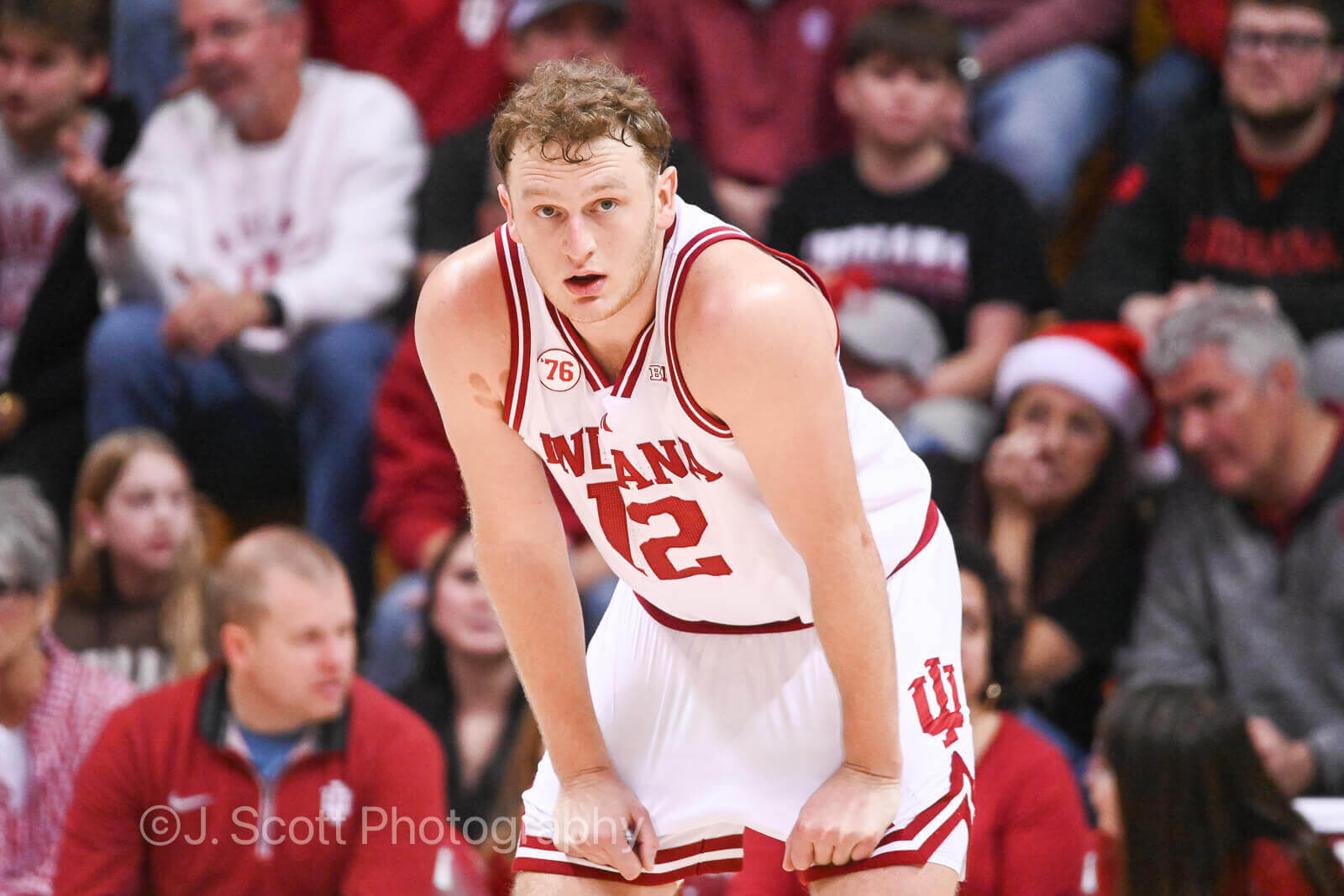
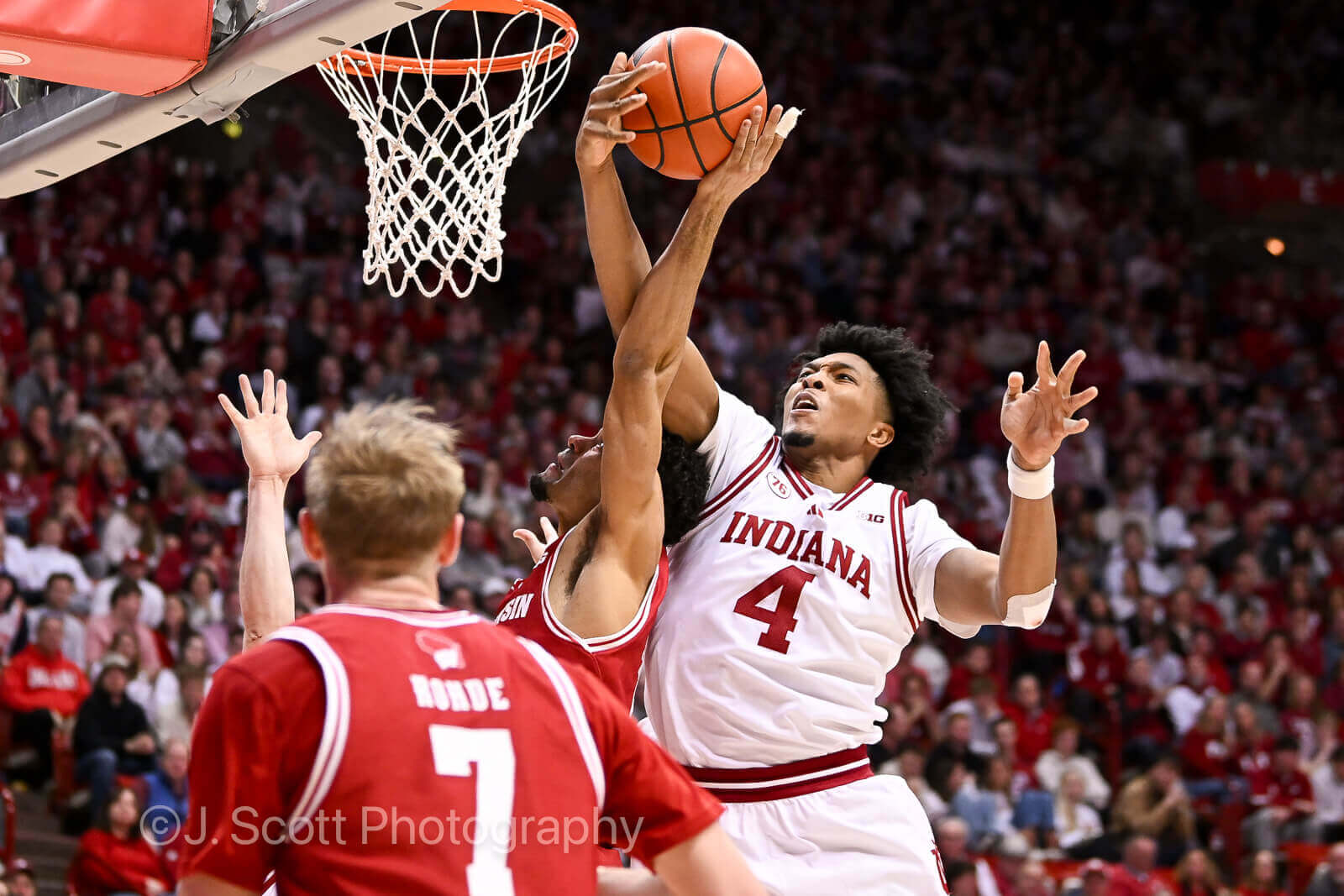
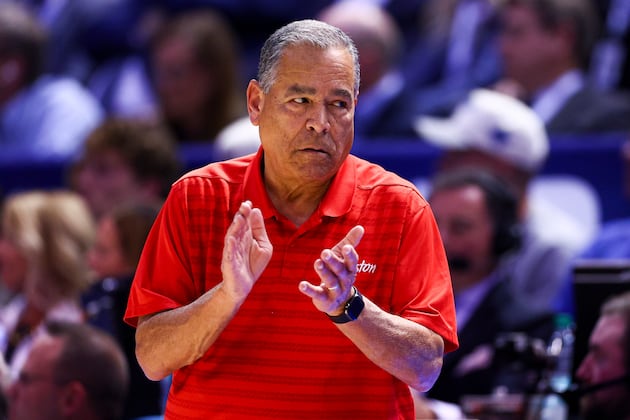
Wisconsin Badgers coach Greg Gard was left speechless after a stunning 78-77 overtime defeat to Indiana Hoosiers, declaring, “I’ve never seen anything like that.” The Badgers led by one with under 30 seconds left when guard Nick Boyd drew an unprecedented offensive foul while dribbling away from the basket against Conor Enright. This handed possession back to Indiana, who capitalized with Lamar Wilkerson’s clutch free throws after another debated foul on John Blackwell.
Controversial Calls That Swung the Game
The final moments sparked outrage, with 34 combined fouls in a game that flipped from loose first-half officiating to a whistle frenzy in overtime. Gard questioned the consistency, simply stating “No” when asked if the calls matched earlier play. Despite rallying from a 13-point deficit, Wisconsin struggled in the paint, outscored 44-28, exposing defensive vulnerabilities.
Implications for Bubble Teams
This Quad 1 loss shakes Wisconsin’s NCAA Tournament hopes, while boosting Indiana’s resume. Players like Boyd owned their execution slips, but the refs’ decisions fueled frustration. Gard urged focus on starts, as slow halves plague the Badgers. Expect heated debates as both teams push forward.[150 words]
About the Organizations Mentioned
Wisconsin Badgers
The **Wisconsin Badgers** represent the University of Wisconsin–Madison's athletic teams, competing primarily in NCAA Division I as members of the Big Ten Conference. Their sports programs include football, basketball, hockey, and many others, with a strong tradition dating back to the late 19th century. The Badgers are a symbol of pride for the state of Wisconsin and carry a legacy of competitive excellence, community engagement, and inclusivity[1][2][4]. Founded in the 1890s, Wisconsin athletics has evolved into a comprehensive organization focused on both competitive success and the holistic development of student-athletes. The football program, in particular, is highly distinguished, boasting over 700 wins, two Heisman Trophy winners (Alan Ameche and Ron Dayne), and multiple Big Ten titles since the 1990s. Their home games are held at Camp Randall Stadium, one of college football's oldest venues[2]. Beyond football, the Badgers have produced Olympians, All-Americans, and championship teams across various sports[4]. The organization emphasizes core values such as inclusivity, collaboration, integrity, and continuous improvement, aiming to elevate not only athletic performance but also the lives of athletes, staff, and the broader community[1]. Modern strategic goals highlight workforce development, data-driven decision-making, customer experience innovation, and fiscal responsibility to ensure long-term competitiveness amid the changing landscape of college sports[1]. Notably, the Badgers have a history of confronting social issues, such as breaking racial barriers in their basketball program in the late 1950s, demonstrating a commitment to equity and progress within collegiate athletics[3]. The Wisconsin Alumni Association also plays a vital role in maintaining strong connections with former students and supporters, fostering a lifelong Badger identity and community[5]. Currently, Wisconsin Badgers athletics continues to leverage technology and strategic planning to sustain competitive success while enhancing engagement with fans, athletes, and stakeholders. This blend of tradition, innovation, and social consciousnes
Indiana Hoosiers
The **Indiana Hoosiers** primarily refer to the intercollegiate sports teams representing Indiana University Bloomington, competing at the NCAA Division I level and as members of the Big Ten Conference since 1899. The Hoosiers’ athletic program is highly distinguished, having won 24 NCAA national team championships and 145 NCAA individual national championships across 24 sports. Their men's basketball team is especially renowned, with five NCAA titles and the 1976 undefeated championship team, the last to achieve such a feat in college basketball history. Indiana’s men's soccer program is also historically dominant, holding the record for the most national championships and College Cup appearances in Division I soccer[2][7][8]. The Hoosiers football program competes in the NCAA FBS and has won the Big Ten championship twice, in 1945 and 1967, appearing in 12 bowl games including the prestigious Rose Bowl. The team made the College Football Playoff in 2024 and has produced six College Football Hall of Fame inductees, highlighting its legacy in collegiate football[5]. Beyond sports, the Indiana Hoosiers embody a strong community engagement ethos. Their athletics department is actively involved in service programs like Hoosiers Helping Hoosiers, which focuses on literacy, health, and support for families facing hardships. This initiative collaborates with local hospitals and schools to promote wellness, education, and hope through various outreach efforts[6]. The term "Hoosier" also refers broadly to people from Indiana, inspiring several local organizations such as Hoosier Action, a member-led community group advocating for equitable policies in rural Indiana, and Hoosiers For Good, a nonprofit leveraging the influence of IU athletes to support charitable causes statewide[1][4]. In summary, the Indiana Hoosiers represent both a storied collegiate athletic tradition with significant national achievements and a broader community identity fostering civic engagement and social impact within Indiana. Their combination of athletic excellence and community commitment makes them a notable an