Avian Flu Suspected in Northampton County Snow Geese; PA Officials Respond
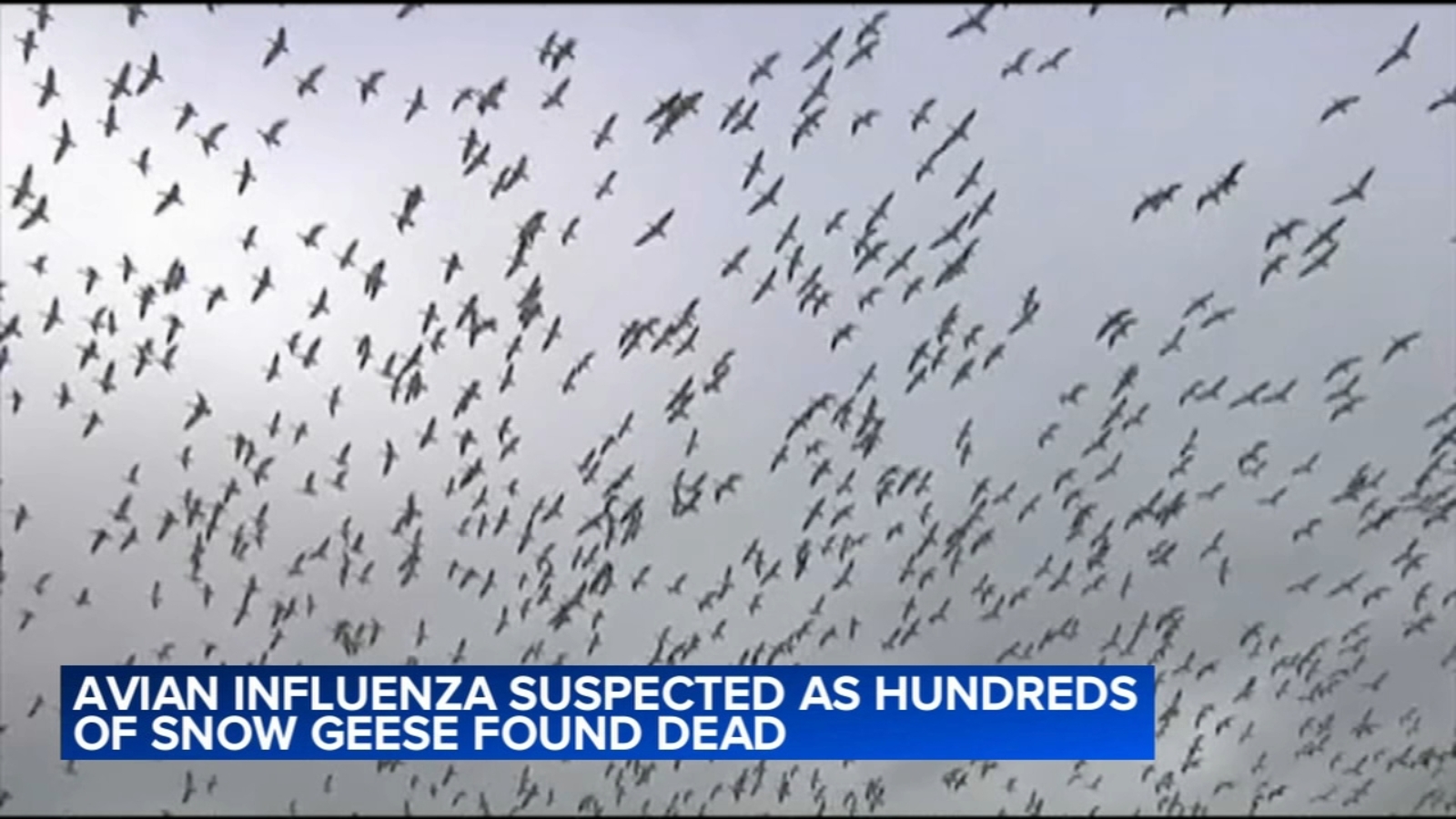
Avian flu suspected in Northampton County snow goose deaths
Wildlife officials say avian influenza is the likely cause of hundreds of snow goose deaths discovered at a Northampton County quarry, prompting a coordinated response by the Pennsylvania Game Commission to remove, test and safely dispose of the birds according to agency guidance[2][1].
Response, risks and guidance for the public
The commission is collecting samples for confirmation while advising residents to avoid contact with sick or dead birds and to report findings to the Game Commission hotline or state agriculture and health authorities if domestic birds are affected or people become ill[2].
Context and implications
Highly pathogenic avian influenza has circulated in U.S. wild birds since 2022 and resurged in Pennsylvania in late 2024 and early 2025, so detection among waterfowl underscores ongoing surveillance needs and biosecurity measures for poultry, rehabilitators and the public[2][1].
About the Organizations Mentioned
Pennsylvania Game Commission
The Pennsylvania Game Commission (PGC) is Pennsylvania’s state agency responsible for wildlife conservation and management, with a mission to “manage and protect wildlife and their habitats while promoting hunting and trapping for current and future generations.”[3] Founded by the state legislature in 1895 in response to widespread habitat loss and unregulated harvest, the Commission was created to restore depleted wildlife populations and regulate hunting and trapping statewide[1]. PGC’s core activities include setting seasons and bag limits, monitoring populations, making habitat improvements, operating State Game Lands, issuing hunting and fur‑taking licenses, and enforcing wildlife laws through its cadre of game wardens (wildlife conservation officers).[3][2] The agency also runs education programs (hunter‑trapper education and public outreach), raises and releases about 100,000 pheasants annually, maintains cooperative access programs that open millions of private acres for hunting, and administers wildlife rehabilitation and disease testing services[2]. Law enforcement is a notable PGC function: sworn game wardens enforce the Game and Wildlife Code and frequently assist other agencies in rural searches, emergency response, and investigations; the Commission trains officers through a long‑running warden school established in 1936[1][2]. Programs such as Operation Game Thief enable public reporting of wildlife crimes and have been highlighted in agency outreach media[4][6]. Key achievements include the dramatic recovery of many game species since the late 19th century, long‑standing public programs (pheasant stocking, cooperative access, Hunters Sharing the Harvest), and robust partnerships with federal and state conservation partners that expand grant and programmatic capacity[1][2][5][6]. Today the PGC operates with hundreds of full‑time staff plus thousands of part‑time employees and volunteers, funding largely from license sales, State Game Land revenues, and federal excise taxes on firearms and ammunition, maintaining a