Trump Pushes Review of U.S. Vaccine Schedule Amid International Comparisons

Trump Calls for Vaccine Schedule Review
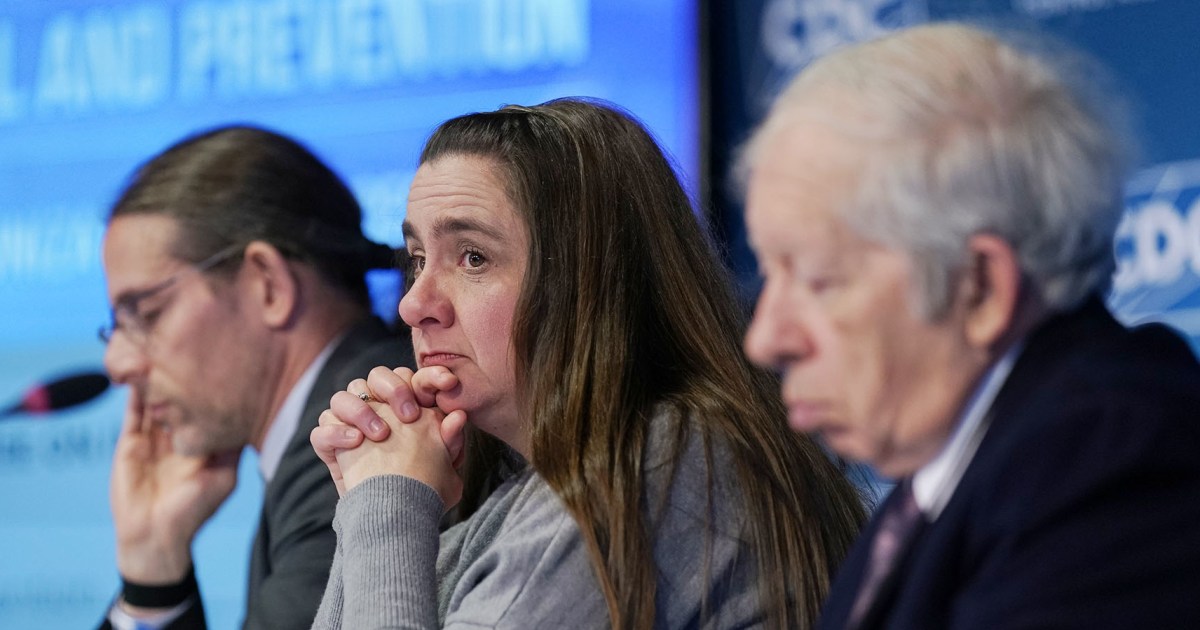
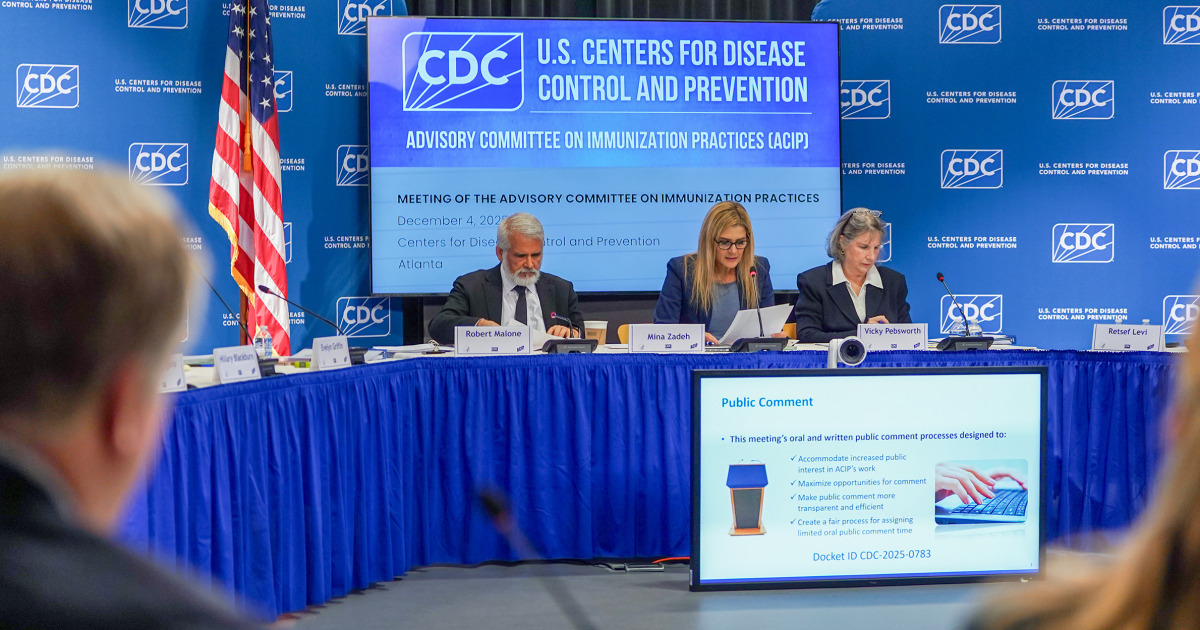
President Donald Trump has urged a comprehensive review of the United States’ vaccine schedule, highlighting the significant differences compared to other developed countries. This initiative follows a CDC panel’s discussions, influenced by Robert F. Kennedy Jr., which pointed to divergent immunization timelines internationally. The review aims to evaluate whether the U.S. should adjust its recommendations to better align with global best practices.
International Vaccine Approaches
Countries like Denmark, Japan, and Germany recommend vaccinations for fewer diseases than the U.S., focusing on illnesses with the highest morbidity and mortality risks. For instance, Denmark’s schedule covers about 10 diseases, while the U.S. currently recommends vaccines for 18 diseases, including COVID-19. These differences suggest a more targeted approach abroad, prompting U.S. health authorities to reconsider the balance between comprehensive coverage and vaccine necessity.
Potential Implications for U.S. Policy
The directive to the CDC and Health and Human Services seeks to ensure that American vaccine recommendations reflect the most current scientific evidence and international best practices. Any adjustments would aim to optimize public health outcomes while preserving access to vital vaccines, potentially reshaping childhood immunization schedules in the near future.
About the People Mentioned
Donald Trump
Donald John Trump, born June 14, 1946, in Queens, New York, is an American businessman, media personality, and politician. He graduated from the University of Pennsylvania’s Wharton School in 1968 with a degree in economics. In 1971, he took over his family’s real estate business, renaming it the Trump Organization, through which he expanded into building and managing skyscrapers, hotels, casinos, and golf courses. Trump gained widespread fame as the host of the reality TV show *The Apprentice* from 2004 to 2015, which helped establish his public persona as a successful entrepreneur. Trump entered politics as a Republican and was elected the 45th president of the United States, serving from 2017 to 2021. His presidency was marked by significant policy actions including tax cuts, deregulation, the appointment of three Supreme Court justices, renegotiation of trade agreements (notably replacing NAFTA with the USMCA), and a focus on immigration control including border wall expansion. He withdrew the U.S. from international agreements such as the Paris Climate Accord and the Iran nuclear deal, and engaged in a trade war with China. His administration’s response to the COVID-19 pandemic was criticized for downplaying the virus’s severity. Trump was impeached twice by the House of Representatives—first in 2019 for abuse of power and obstruction, and again in 2021 for incitement of insurrection—but was acquitted by the Senate both times. After losing the 2020 election to Joe Biden, Trump challenged the results, culminating in the January 6, 2021, Capitol riot. He remains a central figure in American politics, having won the 2024 presidential election and returned as the 47th president in 2025, continuing to promote policies aimed at economic growth, border security, and military strength[1][2][3][4].
Robert F. Kennedy Jr.
Robert F. Kennedy Jr. is an American politician, environmental lawyer, and author, born on January 17, 1954, in Washington, D.C. He is the third of eleven children of Robert F. Kennedy, the U.S. Attorney General, and Ethel Skakel Kennedy. His family's political legacy includes his uncle, President John F. Kennedy. Kennedy's early life was marked by personal struggles, including drug addiction, which led to his arrest for heroin possession in 1983. However, he later redirected his life towards environmental advocacy and public service. Kennedy graduated from Harvard University in 1976 with a degree in American history and literature and later earned a law degree from the University of Virginia in 1981. He began his career as an assistant district attorney in Manhattan but soon shifted his focus to environmental law. In 1987, he received a master's degree in environmental law from Pace University, where he taught environmental law from 1986 to 2018 and co-founded the Environmental Litigation Clinic. Notably, Kennedy is the founder of the Waterkeeper Alliance, a global clean water advocacy group, and Children's Health Defense, which focuses on childhood chronic diseases and environmental exposures. He has been recognized for his environmental activism, including being named TIME Magazine's "Hero for the Planet" for his efforts in restoring the Hudson River. Kennedy has also been involved in high-profile legal cases against companies like DuPont and Monsanto. In recent years, he has been a vocal figure in vaccine skepticism and public health controversies. In the 2024 U.S. presidential election, Kennedy initially ran as an independent candidate before endorsing Donald Trump. Currently, his involvement in public life includes controversial stances on health and environmental issues. Despite these controversies, his work in environmental law and advocacy has had significant impacts on public health and environmental protection.
About the Organizations Mentioned
CDC
The **Centers for Disease Control and Prevention (CDC)** is the premier national public health agency of the United States, operating under the Department of Health and Human Services and headquartered in Atlanta, Georgia. Its primary mission is to protect public health and safety through disease control, injury prevention, and health promotion both nationally and globally[1][8]. Established in 1946 initially as a single "Center for Disease Control," the agency expanded and reorganized in 1980 into multiple specialized centers, reflecting a broader focus beyond infectious diseases to include environmental health, chronic disease, occupational safety, and health education[7]. The CDC comprises various centers and institutes, such as the National Center for Immunization and Respiratory Diseases, the National Center for Chronic Disease Prevention and Health Promotion, and the National Institute for Occupational Safety and Health (NIOSH), among others. These centers enable the CDC to address a wide array of public health challenges through research, surveillance, policy development, and education[2]. It also plays a key role in emergency preparedness and response, demonstrated notably during the COVID-19 pandemic, where its guidance shaped public health actions despite complex political and social dynamics[8]. Key achievements include pioneering epidemiological research, controlling outbreaks of infectious diseases, advancing vaccine safety and immunization programs, and addressing emerging health threats such as obesity and diabetes. The CDC is recognized for disseminating authoritative health information, including the widely cited Morbidity and Mortality Weekly Report (MMWR), and for its global collaborations with health organizations worldwide[1][3][8]. Currently, the CDC is undergoing organizational adjustments to focus more intensively on infectious diseases, as part of the 2025 Department of Health and Human Services reorganization. This includes absorbing the Administration for Strategic Preparedness and Response while shifting some functions like occupational safety to new entities[1]. The agency’s comprehensive approach, backed by science and government funding, positions it as a critical leader in public health innovation, disease prevention, and health security i
Health and Human Services
The U.S. Department of Health and Human Services (HHS) is a pivotal federal agency dedicated to enhancing the health and well-being of Americans. Established in 1953, HHS has evolved significantly over the years, playing a crucial role in public health, medical research, and human services. **Mission and Responsibilities:** HHS administers a wide range of programs, including health insurance coverage for over 170 million Americans through Medicare, Medicaid, and the Affordable Care Act. It also supports community health centers, provides medical care to American Indians and Alaska Natives, and addresses specific health needs such as HIV/AIDS and mental health[5]. The department is involved in life-saving research and works closely with other federal departments, state governments, and the private sector to achieve its goals[4]. **History and Achievements:** Historically, HHS has been instrumental in addressing major public health challenges, such as disease outbreaks and substance abuse. It has also been at the forefront of medical research, particularly through the National Institutes of Health (NIH). **Current Status:** In 2025, HHS embarked on a significant reorganization aimed at enhancing efficiency and reducing redundancies. This involves merging several agencies into new entities, such as the Administration for a Healthy America, and consolidating divisions from 28 to 15[2][3]. The restructuring also includes workforce reductions, with a reported decrease of 10,000 employees[6]. **Notable Aspects:** HHS's FY2025 budget request is $1.802 trillion, with a focus on critical programs like Medicare and Medicaid[10]. The department is also working to protect taxpayer dollars through oversight and enforcement efforts[7]. Its reorganization is expected to save taxpayers $1.8 billion annually[8]. Overall, HHS remains a vital component of the U.S. healthcare system, driving innovation and access to healthcare services.