Indoor Tanning Linked to Widespread DNA Damage and Threefold Melanoma Risk
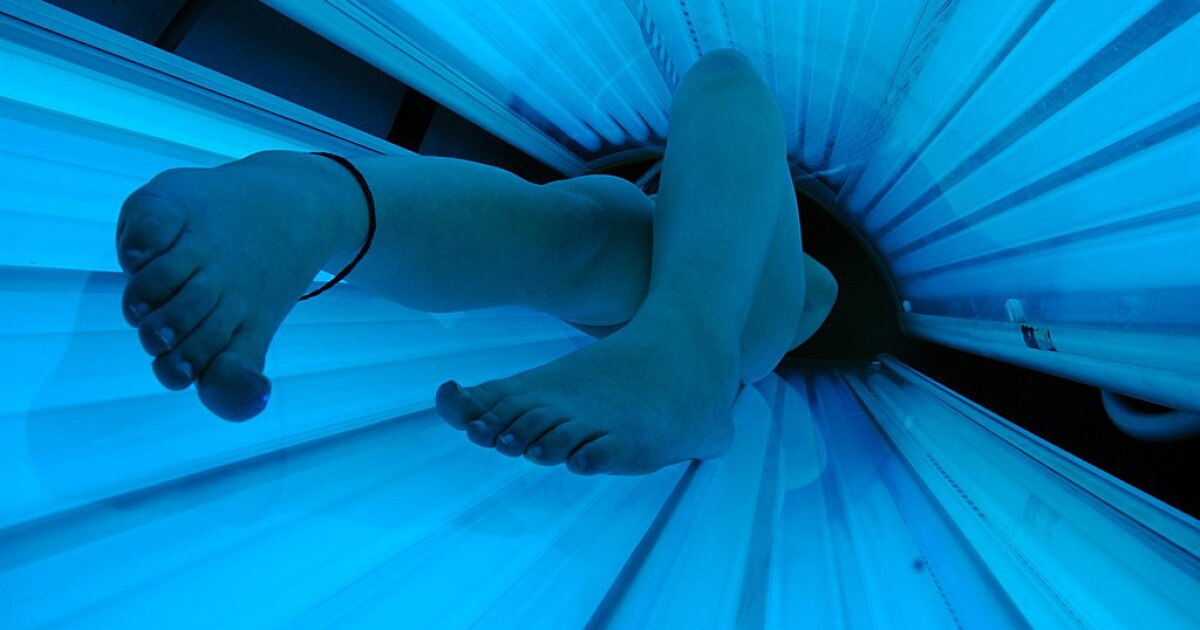
Headline: Tanning beds mutate nearly your entire skin and triple melanoma risk
New research shows indoor tanning delivers pervasive DNA damage across almost the entire skin surface and is linked to about a threefold increase in melanoma risk, challenging claims that tanning devices are safer than sunlight. Studies using single-cell sequencing found melanocytes from indoor tanners carried nearly twice as many mutations and more melanoma-associated changes than controls, with mutations appearing even on normally sun-protected areas such as the lower back and buttocks.[1][5]
Context and implications for health
Researchers reported a 2.85-fold higher adjusted melanoma risk among tanning bed users and observed mutation patterns consistent with ultraviolet radiation exposure, suggesting devices both raise mutation burden and expand the field of injury beyond typical sun damage; clinicians advise full-body skin checks for past users and stronger public warnings about indoor tanning risks.[1][3]