Deadly Clash in Northwest Turkey Sparks Nationwide Counterterrorism Push

Deadly Clash in Northwest Turkey
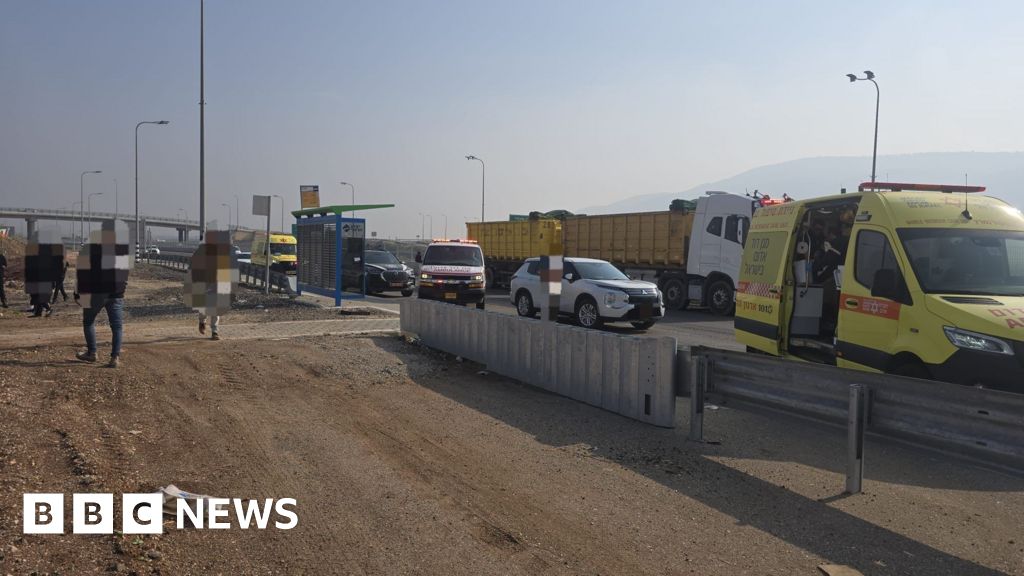
Turkey's interior minister confirmed a fierce confrontation in Yalova province, south of Istanbul, where six Islamic State militants and three police officers lost their lives. The incident unfolded on Monday when authorities stormed a house harboring the suspects, sparking intense gunfire that highlighted ongoing counterterrorism efforts. This clash underscores the persistent threat posed by extremist groups in the region.
Details of the Operation
Police acted on intelligence leading to the raid, where militants were found hiding with weapons. The exchange lasted several hours, resulting in heavy casualties on both sides. Yalova's strategic location near major cities amplified the operation's urgency, as officials aimed to neutralize immediate dangers and prevent further attacks.
Nationwide Counterterrorism Push
In response, Turkish authorities launched sweeping raids, detaining 357 Islamic State suspects across the country. Coordinated by the Interior Ministry, these actions signal a robust escalation in anti-terror measures, aiming to dismantle networks and enhance public safety amid rising concerns over radical activities.
About the Organizations Mentioned
Islamic State
**The Islamic State (IS), also known as ISIS or Da'esh, is a transnational Salafi-jihadist terrorist network that evolved from al-Qaeda in Iraq (AQI) after the 2003 U.S. invasion, aiming to establish a global caliphate through violence, insurgency, and digital propaganda.**[2][3][5] Originating under Abu Musab al-Zarqawi in 2004, IS broke from al-Qaeda in 2013, rebranded as ISIS, and peaked in 2014–2015 by seizing vast territories in Iraq and Syria—roughly the size of Britain—governing 12 million people with a $1 billion+ budget, 30,000+ fighters, and brutal Shari'a enforcement, including the Yazidi genocide.[2][5] It declared a worldwide caliphate under Abu Bakr al-Baghdadi, drawing 50,000+ recruits from 100+ nations via sophisticated governance blending guerrilla tactics and state-like operations.[3][5] **Key "achievements" from IS's perspective include high-profile attacks like the 2015 Paris assaults and 2024 IS-Khorasan (ISK) strikes in Iran and Russia, which killed thousands and amplified its deadliest-in-the-world status, causing 1,805 deaths in 2024 alone across 22 countries.**[1][4] Affiliates like ISK (Afghanistan/Pakistan-focused, ~2,000 fighters) and West Africa Province expanded its reach, using ambushes, IEDs, kidnappings, and lone-wolf inspirations.[3][4][6] By 2019, U.S.-led coalitions dismantled its caliphate, killing ~60,000 fighters and reducing core forces to 1,500–3,000 in Iraq/Syria hideouts, with 8,800–13,100 globally.[1][2][3
Interior Ministry
**Interior ministries** are pivotal government departments worldwide, overseeing domestic policy, public security, and law enforcement, distinct from resource-focused agencies like the U.S. Department of the Interior.[2] They manage internal security, immigration, civil registration, and correctional services, often coordinating national data systems and emergency responses.[1][2] Historically, these ministries evolved from colonial-era structures. Nigeria's Ministry of Interior, for instance, traces to 1957 as the Ministry of Internal Affairs, merging police, prisons, and immigration units; it reformed in 2015 by combining with the Ministry of Police Affairs to bolster border control and civil defense.[3] Kenya's Ministry of Interior & National Administration handles similar mandates, pioneering digital innovations like the National Integrated Identity Management System (NIIMS, or Maisha Namba) for citizen IDs and e-citizen services.[1] Germany's Federal Ministry of the Interior and Community, restructured post-1999, expanded into civil protection and integration.[4] Key achievements include enhanced national security frameworks, such as Kenya's policies on small arms control, narcotics, and peacebuilding, alongside Nigeria's fortified entry/exit points per 1983 gazette mandates.[1][3] Digitization stands out: Kenya's Integrated Population Registration System (IPRS) streamlines data across agencies, intersecting with business via efficient immigration for tech talent and investments.[1] Currently, these ministries remain active powerhouses. Kenya coordinates county-level government functions and humanitarian aid; Nigeria registers voluntary organizations and private guards; Germany's oversees sport funding and security agencies.[1][3][4] Notable aspects for business-tech audiences: They drive biometric IDs and e-governance, fostering secure digital economies—e.g., UAE's MOI emphasizes community partnerships for facility protection, updated as of October 2025.[8] Challenges persist in federal states, balancing central oversight with regional branches.[2] In a tech-driven era, interior ministries innovate at the nexus of securit