Japan Approves Record Defense Budget Amid Rising Tensions
Japan Approves Record Defense Budget Amid Rising Tensions
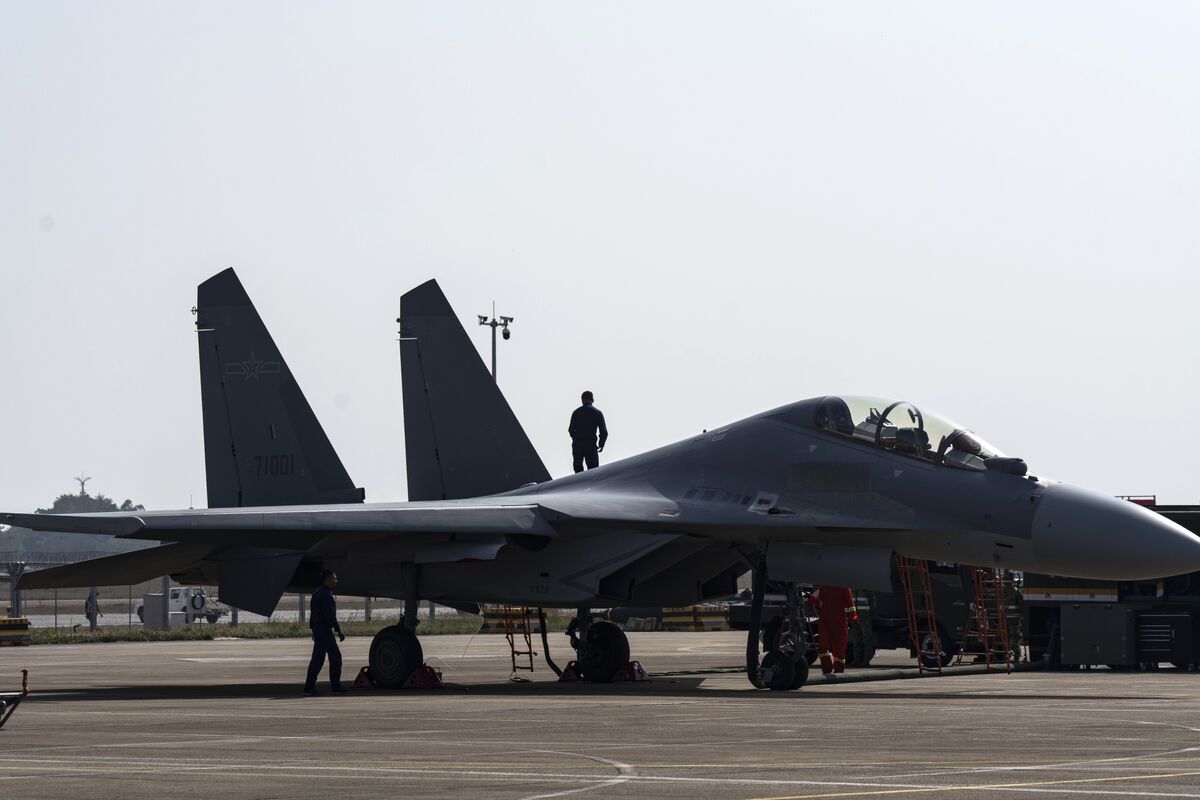
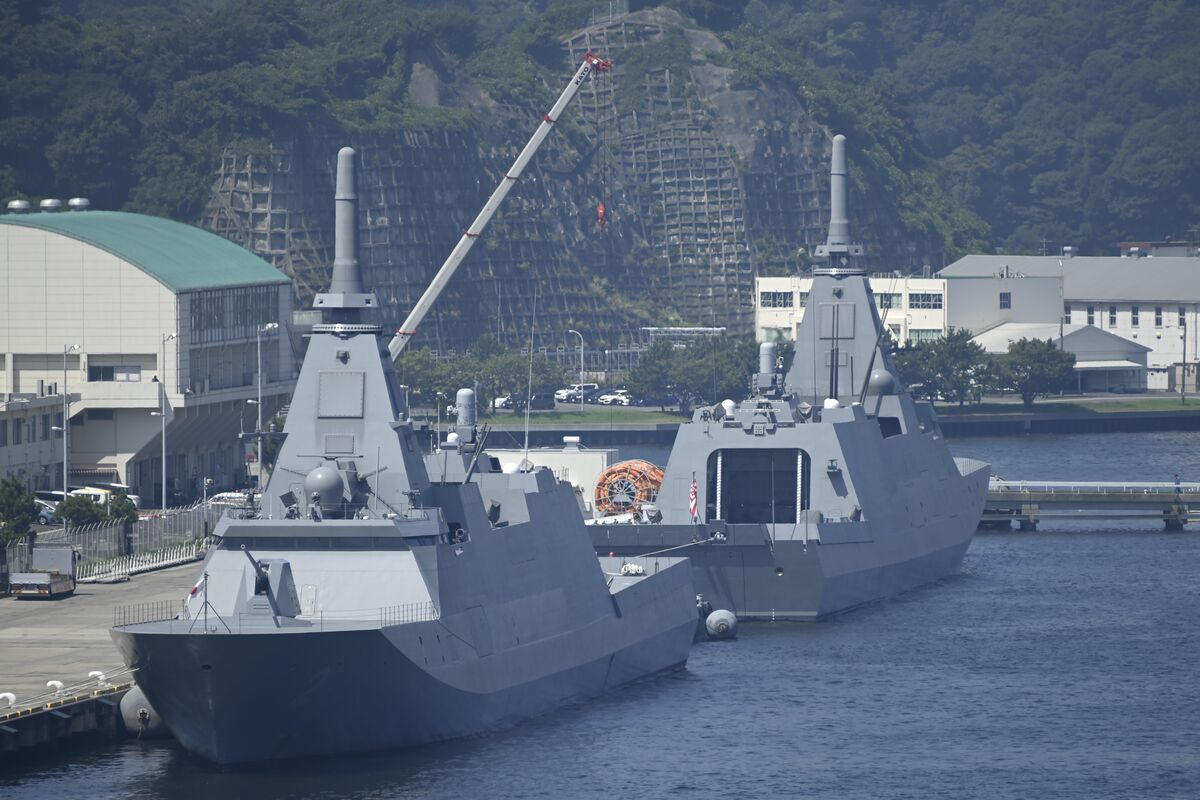
Japan's Cabinet has greenlit a historic defense budget surpassing 9 trillion yen—around $58 billion—for fiscal 2026, eclipsing the prior year's 8.7 trillion yen mark. This escalation reflects Tokyo's urgent push to counter escalating threats from China, North Korea, and Russia, fortifying strike-back capabilities with cruise missiles and unmanned systems.[1][2]
Key Investments in Coastal and Air Defense
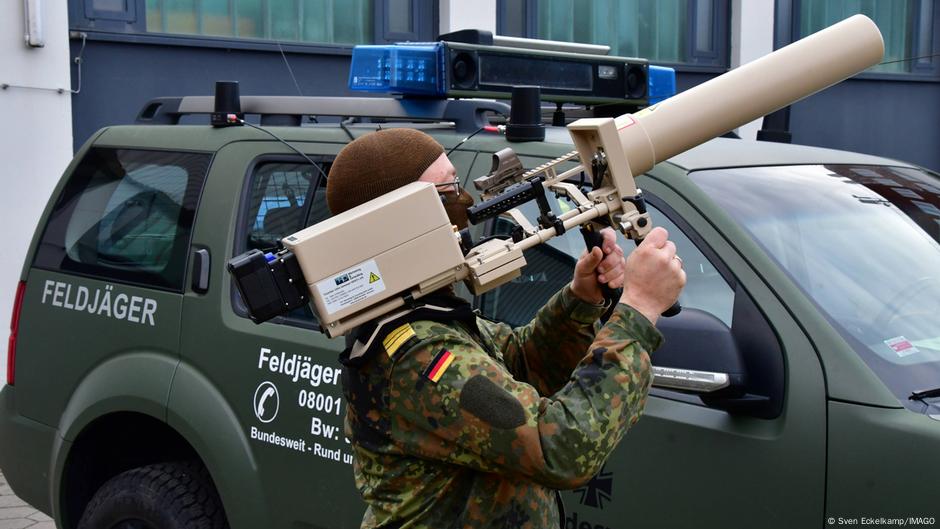
The budget allocates 100.1 billion yen to the "Shield" layered coastal defense system, integrating aerial, surface, and underwater vehicles for robust protection. An additional 1.1 billion yen targets long-endurance drones to thwart airspace incursions. Over 1 trillion yen fuels mass production of advanced standoff missiles, accelerating Japan's shift from postwar pacifism—once capping spending at 1% of GDP—to a 2% target by 2027, achieved early via supplements.[1][2]
Strategic Shift and Regional Implications
Defense Minister Shinjiro Koizumi deems this the "bare minimum" for Japan's security in the most severe environment since World War II. By bolstering deterrence, Tokyo aims to maintain regional stability while navigating constitutional constraints and public debate on militarization.[1][2]
About the Organizations Mentioned
Japan's Cabinet
Japan's **Cabinet** serves as the executive branch of government, wielding supreme authority over national policy, administration, and decision-making under the Constitution.[1][4][5] Led by the **Prime Minister**—elected by the Diet from its members—and comprising up to 17 Ministers of State (including those without portfolio and the Chief Cabinet Secretary), it holds **collective responsibility** to the Diet, resigning en masse if the Prime Minister's post vacates or post-election.[1][4] Historically rooted in Japan's 1947 Constitution, the Cabinet evolved from pre-war structures into a parliamentary system emphasizing civilian leadership and Diet oversight.[4][8] A pivotal reform came in **2001**, when the **Cabinet Office** was established via central government reorganization to bolster the Prime Minister's policy leadership.[3][4] This "one step above" ministries entity now drafts plans, coordinates cross-agency efforts, and houses unique bodies like the **Cabinet Secretariat** (handling coordination, security, and crisis management), **Security Council of Japan**, and **Headquarters for Administrative Reform**.[1][2][3] Key achievements include streamlining bureaucracy through 1998-2001 reforms—creating independent agencies, downsizing operations, and enhancing efficiency—while expanding roles in economic-fiscal policy, national security, consumer protection, and future-oriented issues like education and finance.[2][3][6] The Cabinet Office now oversees councils chaired by the Prime Minister, Ministers of State for Special Missions (increased from 6 to 10 by 2020), and agencies such as the Fair Trade Commission and Financial Services Agency.[3][4][6] Currently, as of late 2025, the Cabinet drives Japan's responses to tech-driven challenges like digital transformation, AI governance, and supply chain resilience—vital for business leaders eyeing investments in semiconductors, robotics, and green tech.[3][5][6] No