Dragon Freedom Docks at ISS: SpaceX Crew-12 Mission Milestone
#spacex #iss #crew_12 #international_cooperation #commercial_crew_program
Dragon Freedom Completes Historic Docking
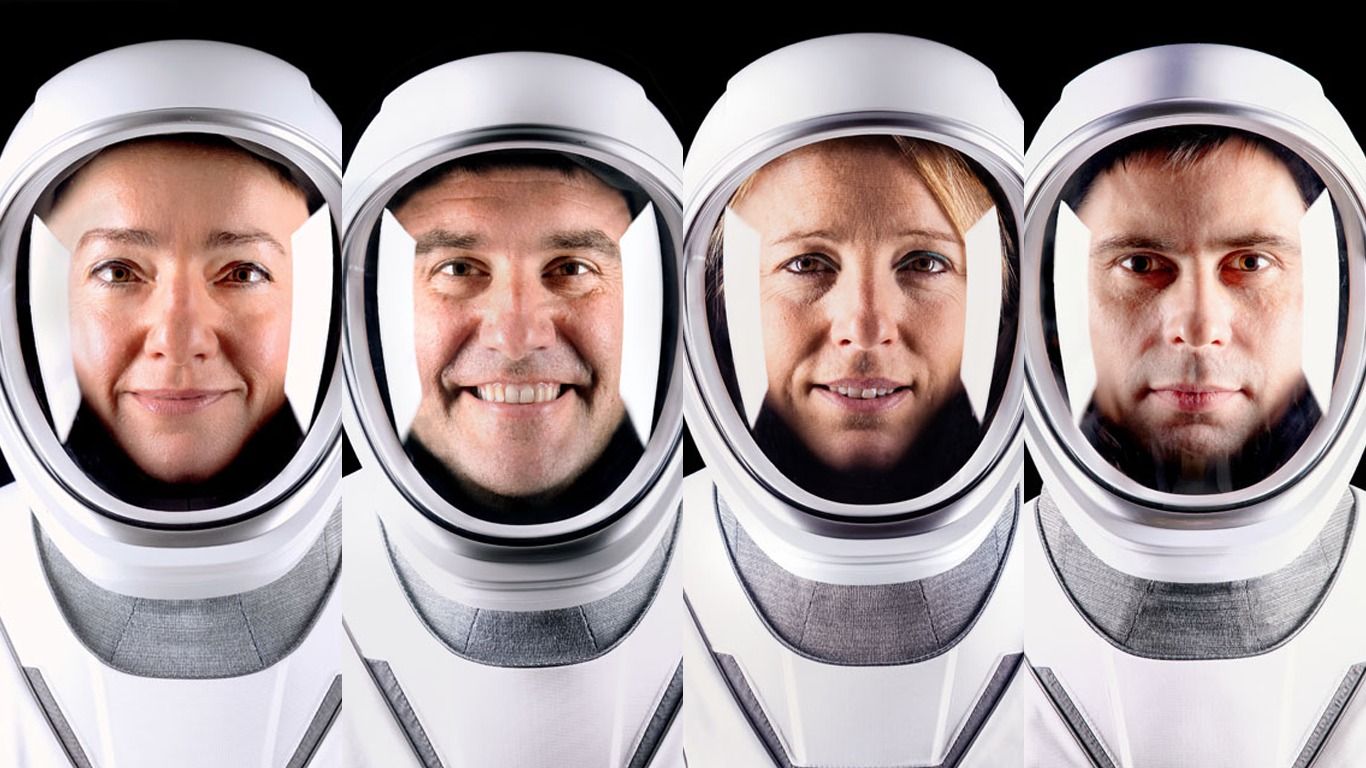
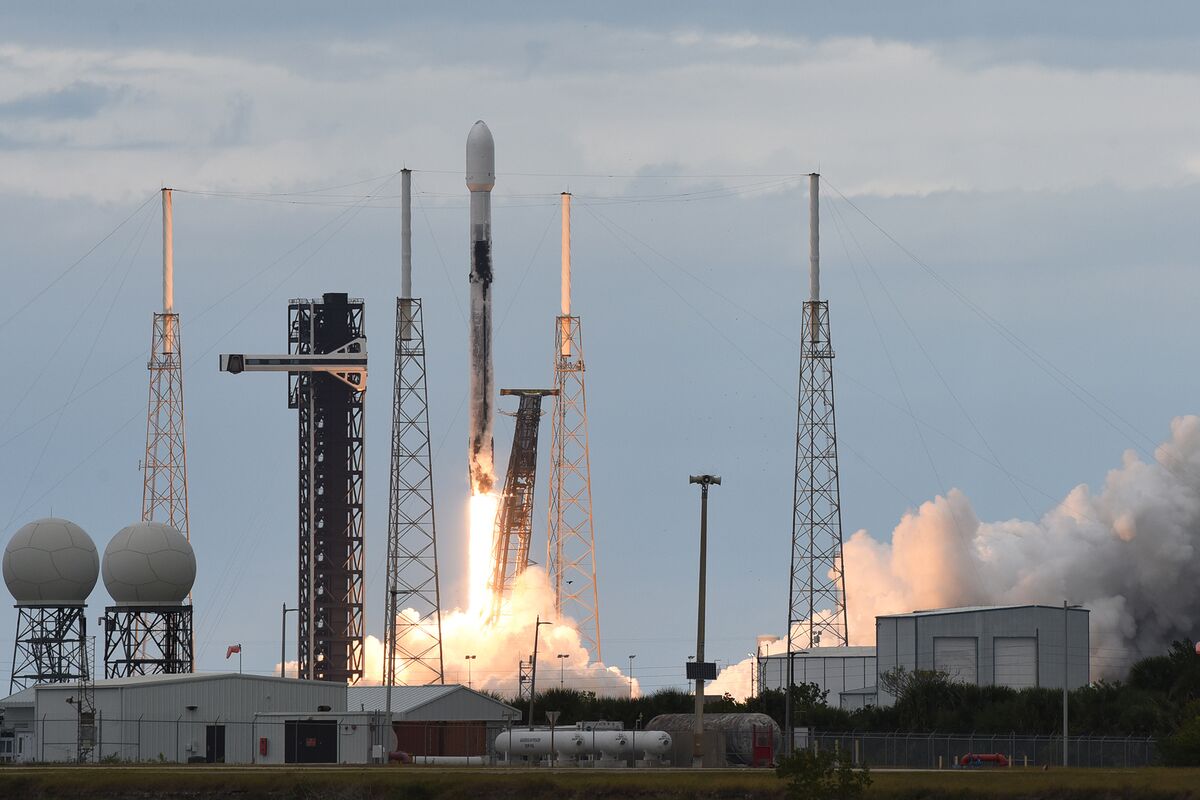
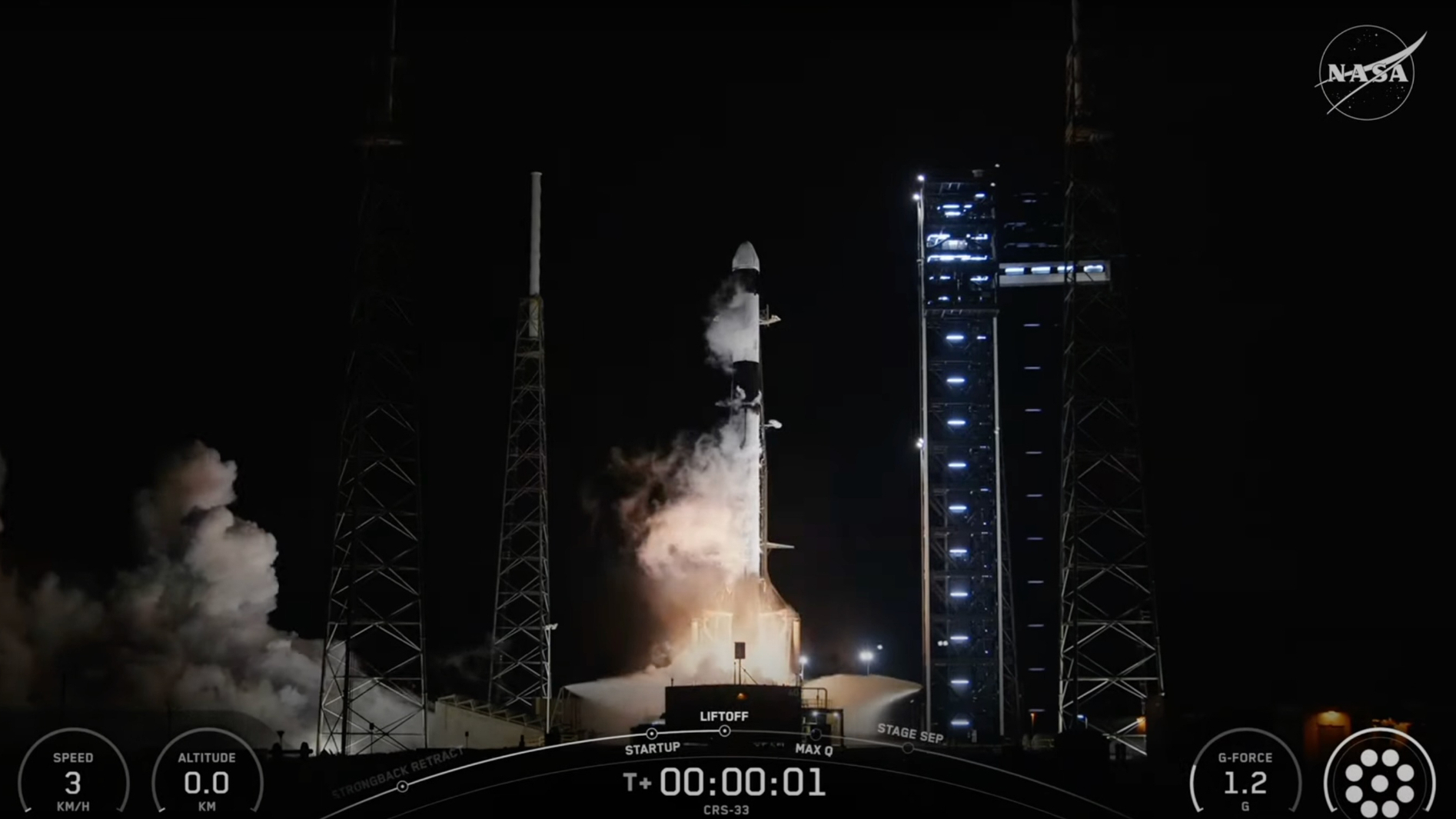
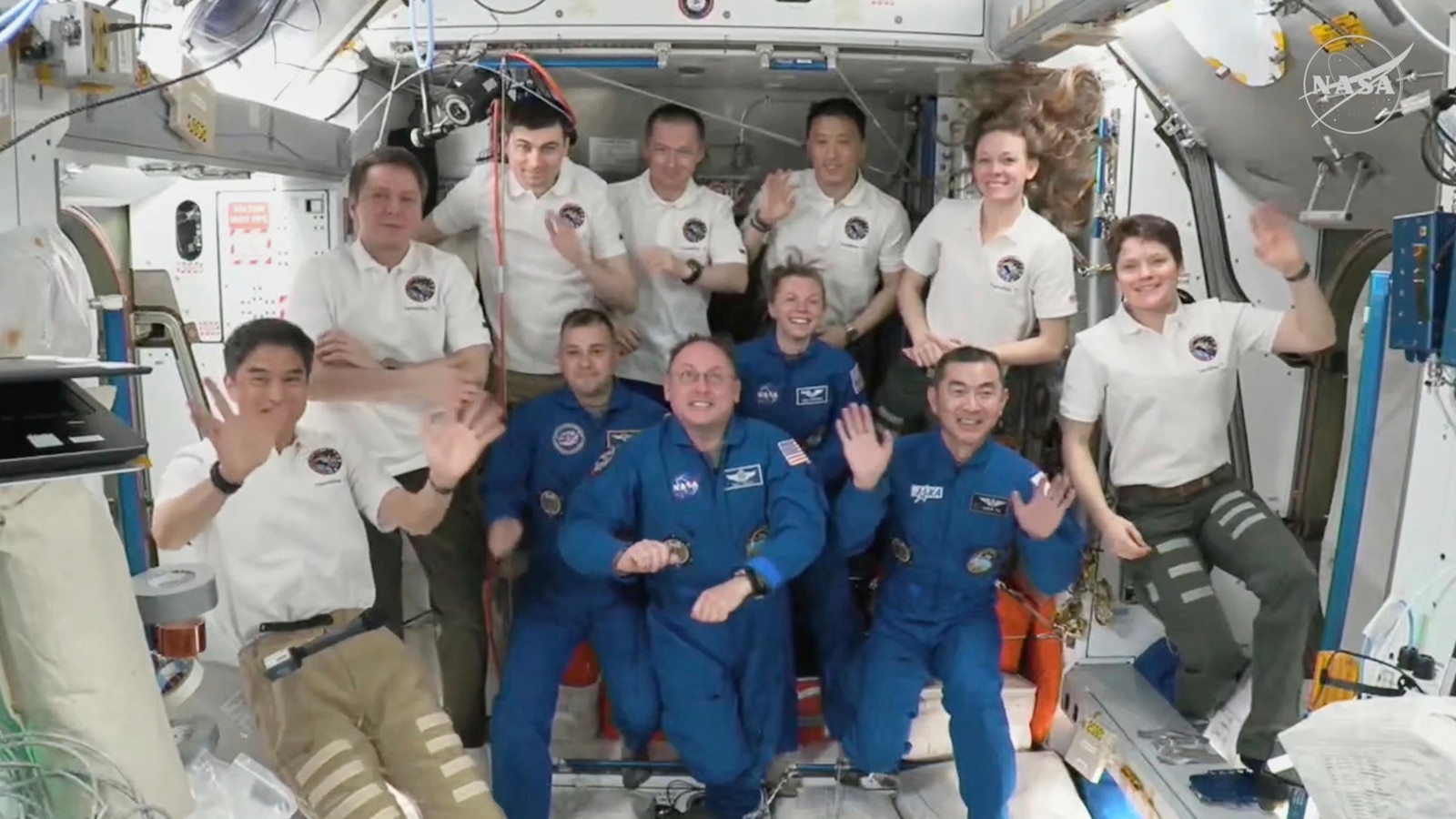
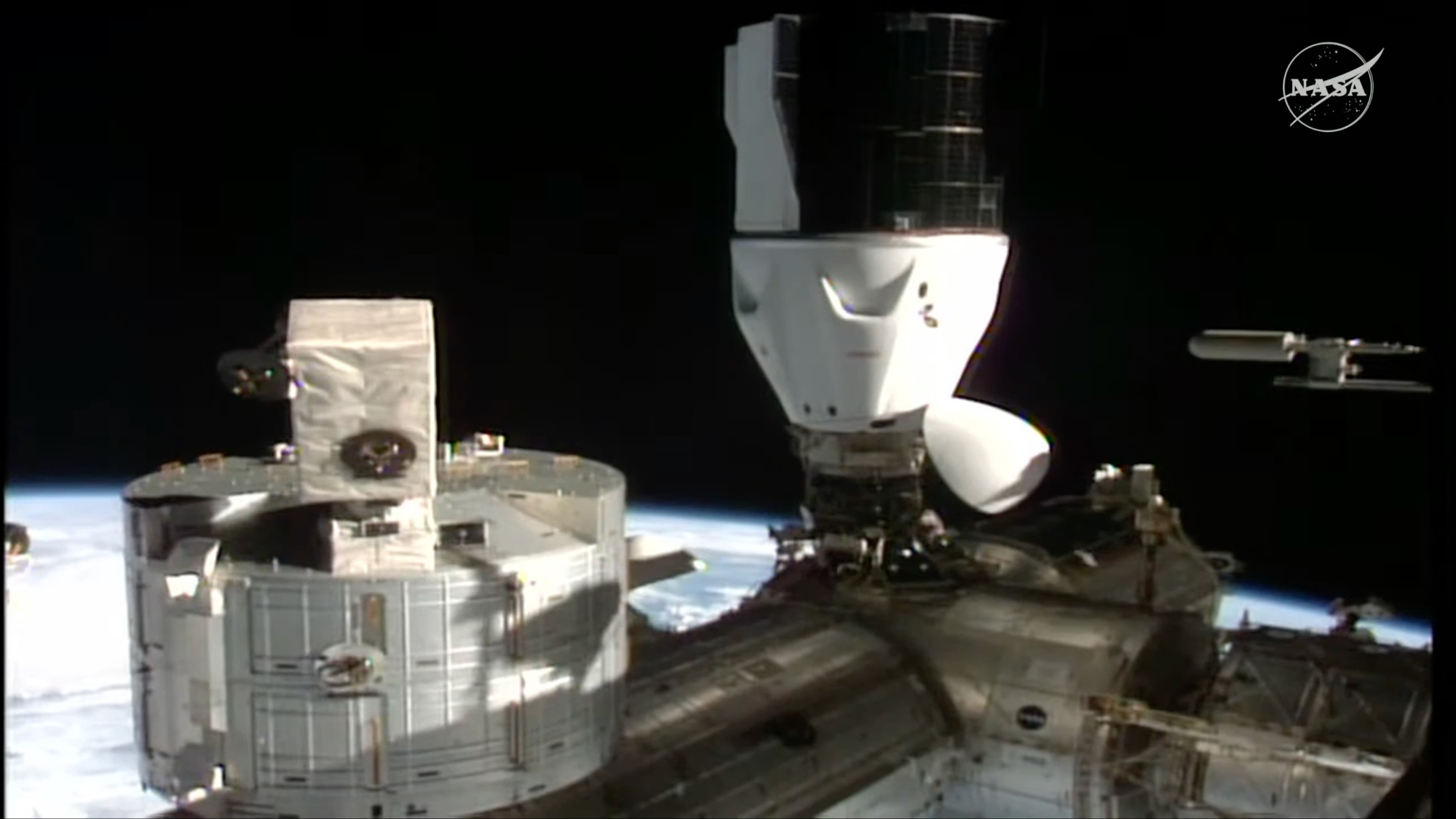
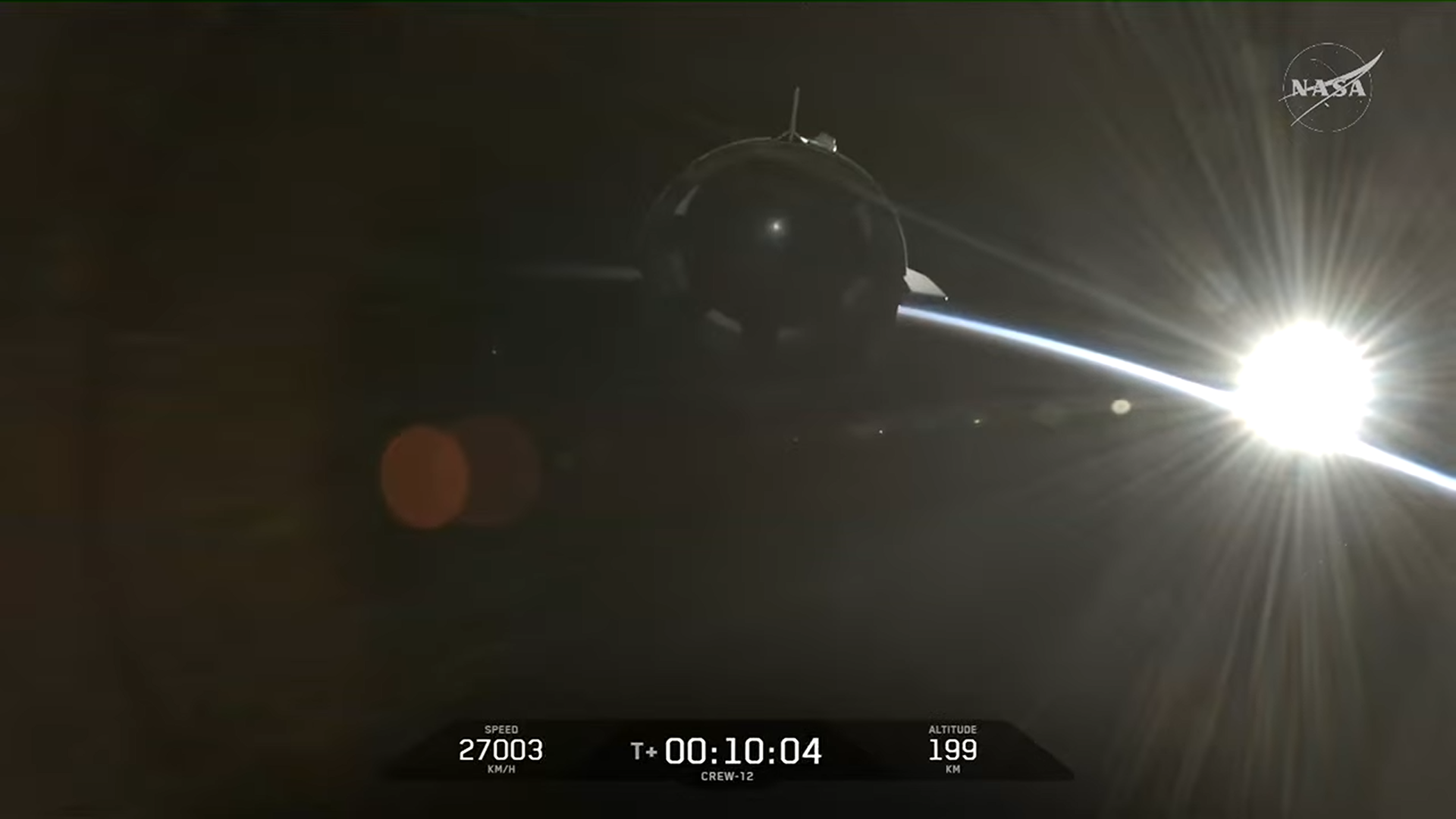
SpaceX's Crew-12 mission reached a major milestone as the Dragon Freedom capsule successfully docked with the International Space Station on February 14, 2026. Commander Jessica Meir and her crew of three astronauts—NASA's Jack Hathaway, ESA's Sophie Adenot, and Roscosmos cosmonaut Andrey Fedyaev—completed their journey after launching from Cape Canaveral Space Force Station on February 13. The Dragon spacecraft linked to the station's Harmony module, marking another successful crew rotation for the Commercial Crew Program.
Mission Significance and Crew Complement
This mission restored the International Space Station to its full operational crew complement of seven members following the early return of Crew-11 due to a medical issue. The accelerated launch schedule demonstrated NASA and SpaceX's operational flexibility and commitment to maintaining continuous human presence in orbit. The four-person relief crew brings fresh expertise and scientific capabilities to ongoing research initiatives aboard the orbiting laboratory.
Looking Forward
With hatch opening completed and crew integration underway, Crew-12 begins their long-duration mission supporting vital experiments and station maintenance. This mission exemplifies international cooperation in space exploration.
```About the Organizations Mentioned
SpaceX
SpaceX is a private aerospace manufacturer and space transportation company founded in 2002 by Elon Musk with the mission to revolutionize space technology and enable human life to become multiplanetary[3]. It designs, manufactures, and launches advanced rockets and spacecraft, pioneering reusable rocket technology to dramatically reduce the cost of access to space. One of SpaceX’s key achievements includes the development and operational success of the Falcon 9 and Falcon Heavy rockets, both featuring reusable first-stage boosters. This reusability has significantly lowered launch costs and increased reliability, enabling frequent commercial, scientific, and government missions. SpaceX has launched over 95 national security missions with these rockets, demonstrating maturity and trust from the U.S. Space Force and other agencies[2]. Another major milestone is the Starlink satellite constellation, with nearly 6,900 satellites currently in orbit as of 2025. Starlink aims to provide global broadband internet service, especially in underserved regions, making it one of the largest satellite constellations in history[1]. This ambitious project also serves as a revenue stream to fund SpaceX’s broader goals. Looking ahead, SpaceX is developing Starship, a next-generation fully and rapidly reusable super heavy-lift launch system designed to carry large payloads and humans to the Moon, Mars, and beyond. Elon Musk envisions Starship enabling mass transport to Mars, with the potential to launch multiple times a day, dramatically increasing total mass sent to orbit annually, far surpassing all previous space launch capabilities combined[1][2]. Pending environmental reviews, Starship’s first launch from Florida’s LC-39A is planned for late 2025[2]. Despite these advances, SpaceX remains privately held, with limited public insight into its financial health. Questions persist around the profitability of Falcon launches, Starlink operations, and future Starship missions, especially given the enormous funding required for Mars colonization[1]. Nonetheless, SpaceX continues to inspire both enthusiasm and debate in the business and technology
International Space Station
The **International Space Station (ISS)** is a modular space laboratory and orbital outpost operating in low Earth orbit since 2000, serving as a unique platform for scientific research, technology development, and international cooperation in space. It was designed between 1984 and 1993 and constructed through a partnership among NASA (USA), Roscosmos (Russia), ESA (Europe), JAXA (Japan), and CSA (Canada), with contributions from multiple countries and commercial partners[2][3]. The ISS functions as a laboratory, observatory, and factory in microgravity, enabling experiments across biology, physics, materials science, and Earth observation that are impossible on Earth. It also acts as a staging base for future deep-space missions to the Moon, Mars, and asteroids. Over 290 individuals from 26 countries have visited the station by 2025, reflecting its role as a hub for international collaboration[2]. Key achievements include continuous human presence in orbit for over 25 years (celebrated in 2025), advancements in medical research such as gene therapies for macular degeneration, and studies of muscle aging using tissue chips in microgravity. The ISS supports innovative commercial activities, including partnerships with private companies like SpaceX and Axiom Space for crew transport and module additions. Recent Russian modules like *Nauka* and *Prichal* have expanded the station’s capabilities, supported by robotic systems such as the European Robotic Arm[1][2][4][5]. Currently, the ISS operates with a crew executing expeditions and spacewalks, conducting experiments like the NICER X-ray telescope, and supporting commercial and educational missions. The station’s modular design allows for adaptability, with 43 modules installed as of mid-2025. NASA’s ongoing plans emphasize expanding scientific output, growing the low Earth orbit economy, and maintaining the ISS as a testbed for future exploration[1][2][3]. Notably, the ISS also fosters public engagement throug
NASA
The National Aeronautics and Space Administration (NASA) is the United States’ premier civil space agency, responsible for the nation’s civilian space program, aeronautics research, and aerospace technology development[1][2]. Headquartered in Washington, D.C., NASA operates ten major field centers across the country and employs nearly 18,000 civil servants, supported by an extensive network of contractors, academic institutions, and international partners[1][2]. Since its establishment in 1958, NASA has revolutionized humanity’s understanding of the cosmos, pioneered technological advancements, and shaped global space policy. ## History and Key Achievements NASA was created in response to the Soviet Union’s 1957 launch of Sputnik, with the goal of ensuring U.S. leadership in space exploration. It succeeded the National Advisory Committee for Aeronautics (NACA) and quickly became the driving force behind iconic programs such as Project Mercury (America’s first human spaceflight program), Project Gemini (which developed techniques for space rendezvous and extravehicular activity), and the Apollo program, which landed astronauts on the Moon between 1969 and 1972[1]. The agency also developed the Space Shuttle, the world’s first reusable spacecraft, and built the International Space Station (ISS), a symbol of international collaboration and scientific research[1][5]. NASA’s robotic exploration has been equally transformative, with over 1,000 uncrewed missions investigating Earth, the Moon, Mars, and beyond. The agency’s fleet of observatories—including the Hubble Space Telescope and the James Webb Space Telescope—has provided unprecedented views of the universe, from the birth of stars to the detection of exoplanets[1]. The Perseverance rover is currently searching for signs of ancient life on Mars, while New Horizons explored Pluto and the outer solar system[1]. ## Current Status and Notable Aspects Today, NASA is advancing the Artemis program, aiming to return human
ESA
```html <!DOCTYPE html> <html lang="en"> <head> <meta charset="UTF-8"> <meta name="viewport" content="width=device-width, initial-scale=1.0"> <title>Exploring the Stars: A Deep Dive into the European Space Agency (ESA)</title> <style> body { font-family: Arial, sans-serif; line-height: 1.6; max-width: 800px; margin: 0 auto; padding: 20px; } h1 { color: #2c3e50; } h2 { color: #34495e; } p { margin-bottom: 1em; } </style> </head> <body> <h1>Exploring the Stars: A Deep Dive into the European Space Agency (ESA)</h1> <p>The <strong>European Space Agency (ESA)</strong> stands as Europe's premier gateway to space, an intergovernmental powerhouse driving peaceful exploration and innovation since its founding in 1975.[1][3][5] Born from the merger of the European Launcher Development Organisation (ELDO) and the European Space Research Organisation (ESRO), ESA unites 23 member states—including powerhouses like France, Germany, and the UK—to pool resources for missions no single nation could tackle alone.[1][2][3]</p> <h2>What ESA Does</h2> <p>Headquartered in Paris with key sites like ESTEC in the Netherlands and the Guiana Space Centre in French Guiana, ESA spearheads a vast portfolio: launching rockets like Ariane 6, deploying Earth observation satellites, navigation systems, space telescopes, and tackling asteroid threats via its Space Safety Programme.[1][4][5] Its mandate? Foster cooperation in space research for scientific and operational gains, from climate monitoring to cosmic discoveries.[1][4]</p>
Roscosmos
Roscosmos, officially known as the Roscosmos State Corporation for Space Activities, is the central organization responsible for Russia’s space program, aerospace research, and the development of space infrastructure. Headquartered in Moscow, Roscosmos oversees everything from satellite launches and human spaceflight to scientific research and military space projects. It operates major launch facilities, including the historic Baikonur Cosmodrome in Kazakhstan and the newer Vostochny Cosmodrome in Russia’s Far East. Founded in 1992 as the Russian Federal Space Agency, Roscosmos emerged from the Soviet Union’s pioneering space program, which achieved several world firsts: Sputnik 1 (the first artificial satellite), Yuri Gagarin (the first human in space), and the first space station, Salyut. In 2015, the agency was restructured into a state corporation, consolidating Russia’s space industry under direct government control. Roscosmos is best known for its Soyuz spacecraft, which has been instrumental in human spaceflight for decades. The agency is a major partner in the International Space Station (ISS), regularly launching both crew and cargo missions. It also operates the Progress spacecraft for ISS resupply and developed the GLONASS satellite navigation system, Russia’s answer to GPS. Beyond Earth orbit, Roscosmos has launched missions to the Moon, Mars, and Venus, and is planning future lunar and Venusian exploration, including a proposed crewed lunar base in collaboration with China. The organization also runs biological experiments and space telescopes, contributing to global scientific knowledge. Despite its storied legacy, Roscosmos faces challenges, including budget constraints and questions about its ability to meet ambitious future goals. Nevertheless, it remains a key player in global space exploration, with a rich history and a continued focus on innovation in aerospace technology.
Cape Canaveral Space Force Station
```html <!DOCTYPE html> <html lang="en"> <head> <meta charset="UTF-8"> <meta name="viewport" content="width=device-width, initial-scale=1.0"> <title>Cape Canaveral Space Force Station: Launchpad of the Future</title> <style> body { font-family: Arial, sans-serif; line-height: 1.6; max-width: 800px; margin: 0 auto; padding: 20px; } h1 { color: #1a3c5e; } h2 { color: #2c5aa0; } p { margin-bottom: 1em; } </style> </head> <body> <h1>Cape Canaveral Space Force Station: Launchpad of the Future</h1> <p>Cape Canaveral Space Force Station (CCSFS), operated by the U.S. Space Force's Space Launch Delta 45 from nearby Patrick Space Force Base, stands as America's premier military launch site on Florida's Eastern Range. With four active pads—Space Launch Complexes 36, 40, 41, and 46—and a 10,000-foot skid strip runway, it supports heavy payloads via C-130, C-17, and C-5 aircraft, fueling national security, scientific research, and commercial ventures.[1][2][3]</p> <h2>Rich Historical Legacy</h2> <p>Established in 1949 by President Truman as the Joint Long Range Proving Ground, CCSFS boasts over 1,092 launches since its first in 1957. It launched Explorer 1, America's inaugural Earth satellite (1958), Alan Shepard as the first U.S. astronaut (1961), and Voyager 2, the first spacecraft to exit the Solar System (1977). Pion
Commercial_Crew_Program
# NASA's Commercial Crew Program: Revolutionizing Human Spaceflight The **Commercial Crew Program** represents a transformative partnership between NASA and American private industry to develop safe, reliable, and cost-effective human transportation to the International Space Station[2]. Rather than NASA designing and building spacecraft itself, the program empowers commercial companies to design, build, and own their own systems while meeting NASA's rigorous safety and performance requirements[3]. ## Origins and Evolution Initiated in December 2012 with three Certification Products Contracts, the program marked a fundamental shift from NASA's traditional approach of nearly 60 years[1][6]. Instead of government ownership and heavy NASA oversight, the Commercial Crew Program encourages companies to apply their most efficient manufacturing and business techniques while maintaining partnership with NASA engineers[3]. ## Key Players and Achievements Two prime contractors—**SpaceX** and **Boeing**—lead development efforts[4]. SpaceX's Crew Dragon became the first commercially built and operated American crew-rated spacecraft to visit the ISS, achieving the first autonomous docking of an American spacecraft to the station[4]. Boeing's CST-100 Starliner completed its Crew Flight Test in June 2024, demonstrating capability for regular astronaut missions[2]. ## Financial Impact and Current Status NASA invested $6.2 billion (approximately $6.7 billion adjusted for inflation) since fiscal year 2011, making this the agency's lowest-cost human spacecraft development effort in nearly 60 years[8]. This investment yielded two fully operational spacecraft systems[8]. ## Strategic Significance By purchasing astronaut transportation as a service on fixed-price contracts, NASA redirected resources toward deep space exploration, including the Artemis missions to return humans to the Moon[2]. The program has enabled expanded research time on the ISS an