Dr. William Foege: Pioneer of Ring Vaccination and Global Health
#public_health #epidemiology #smallpox #vaccination #global_health

A Public Health Pioneer Passes
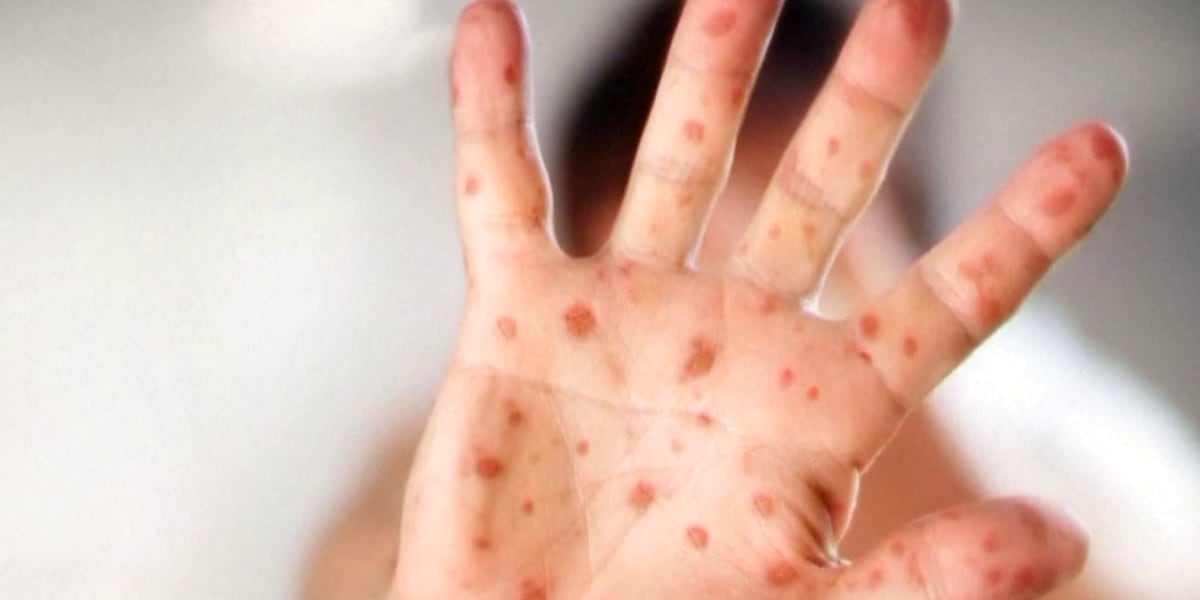
Dr. William Foege, the epidemiologist whose innovative strategies led to smallpox eradication, has died at age 89. His towering presence—both literally and figuratively—shaped modern disease prevention for decades. Foege's legacy extends far beyond his remarkable height; his intellectual contributions transformed global health.
Revolutionary Ring Vaccination Strategy
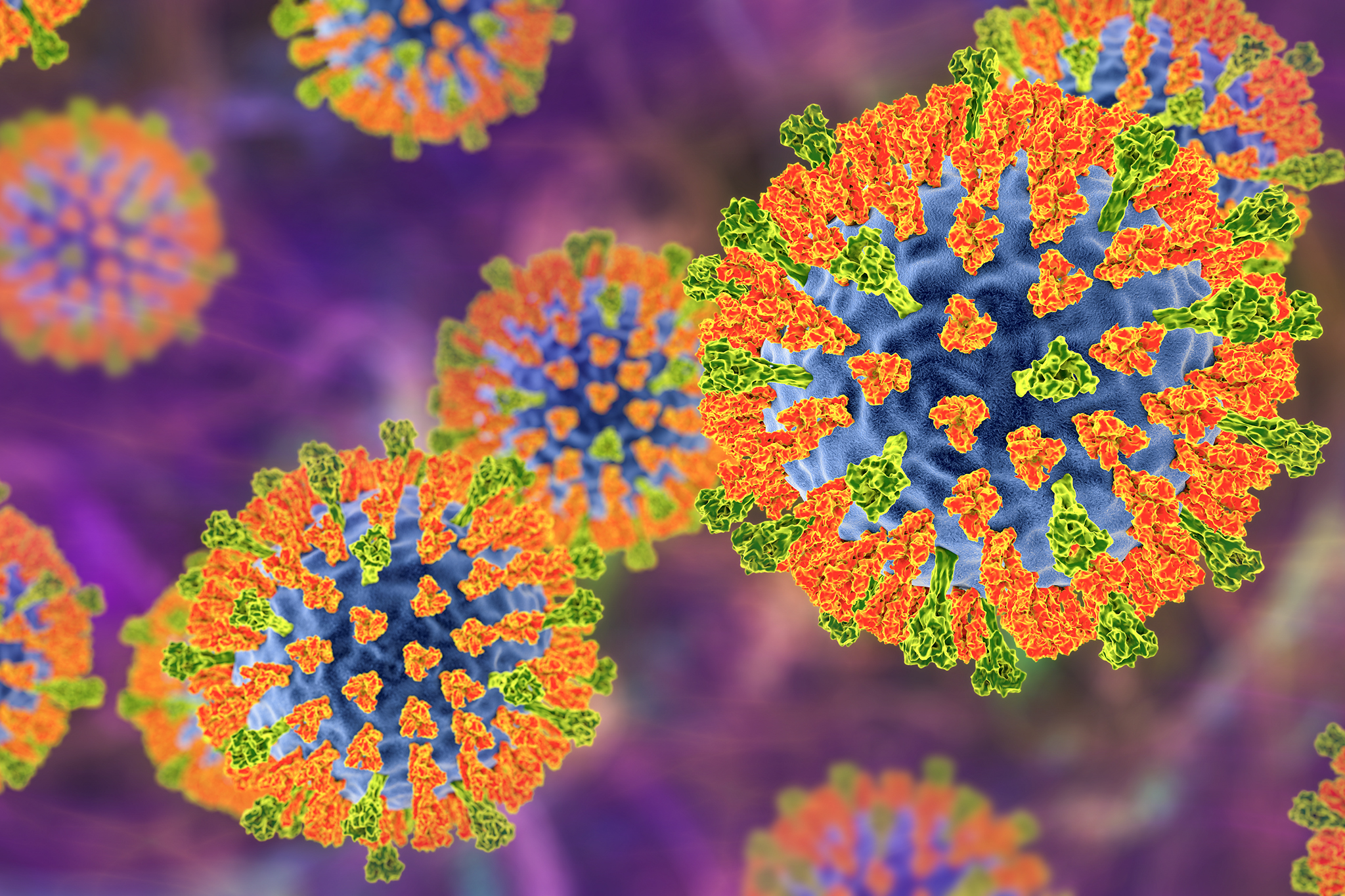
While working as a medical missionary in Nigeria in 1966, Foege developed the surveillance and ring vaccination approach that became central to smallpox elimination. Rather than mass vaccinations, he targeted only exposed individuals, achieving immunity by vaccinating just 7-8% of populations. This ingenious method was later deployed globally, ultimately eradicating the disease by 1980—the first human infectious disease eliminated entirely.
Lasting Global Impact
As CDC director and co-founder of the Task Force for Global Health, Foege mentored generations of public health professionals. His commitment to equity, partnership, and evidence-driven approaches influenced vaccination campaigns and disease control efforts worldwide, saving millions of lives and establishing frameworks still used today.
```About the Organizations Mentioned
CDC
The **Centers for Disease Control and Prevention (CDC)** is the premier national public health agency of the United States, operating under the Department of Health and Human Services and headquartered in Atlanta, Georgia. Its primary mission is to protect public health and safety through disease control, injury prevention, and health promotion both nationally and globally[1][8]. Established in 1946 initially as a single "Center for Disease Control," the agency expanded and reorganized in 1980 into multiple specialized centers, reflecting a broader focus beyond infectious diseases to include environmental health, chronic disease, occupational safety, and health education[7]. The CDC comprises various centers and institutes, such as the National Center for Immunization and Respiratory Diseases, the National Center for Chronic Disease Prevention and Health Promotion, and the National Institute for Occupational Safety and Health (NIOSH), among others. These centers enable the CDC to address a wide array of public health challenges through research, surveillance, policy development, and education[2]. It also plays a key role in emergency preparedness and response, demonstrated notably during the COVID-19 pandemic, where its guidance shaped public health actions despite complex political and social dynamics[8]. Key achievements include pioneering epidemiological research, controlling outbreaks of infectious diseases, advancing vaccine safety and immunization programs, and addressing emerging health threats such as obesity and diabetes. The CDC is recognized for disseminating authoritative health information, including the widely cited Morbidity and Mortality Weekly Report (MMWR), and for its global collaborations with health organizations worldwide[1][3][8]. Currently, the CDC is undergoing organizational adjustments to focus more intensively on infectious diseases, as part of the 2025 Department of Health and Human Services reorganization. This includes absorbing the Administration for Strategic Preparedness and Response while shifting some functions like occupational safety to new entities[1]. The agency’s comprehensive approach, backed by science and government funding, positions it as a critical leader in public health innovation, disease prevention, and health security i
Task Force for Global Health
**The Task Force for Global Health** is a **nonprofit organization based in Atlanta** that addresses critical global health challenges through partnerships and scientific innovation[1][3]. Founded in 1984 as The Task Force for Child Survival, the organization was initially created to solve one specific problem: improving childhood immunization rates in developing countries[7]. ## Early Success and Evolution The organization achieved remarkable early results, raising childhood immunization rates from 20 to 80 percent within six years of its founding[3]. This success established the Task Force's collaborative model, which remains central to its approach today. The organization now operates **17 programs across more than 150 countries**, making it a significant player in global health[2]. ## Current Mission and Focus Areas The Task Force's mission centers on addressing the world's most serious health threats and strengthening health systems[1]. The organization focuses on three primary areas: **eliminating diseases**, **ensuring vaccine access**, and **strengthening health systems**[1][3]. Notable achievements include managing billions of dollars worth of medicines annually for the elimination of three neglected tropical diseases—trachoma, river blindness, and lymphatic filariasis[3]. ## Strategic Approach The organization leverages **technical expertise and collaborative partnerships** with governments, pharmaceutical companies, and international bodies[1][4]. As a formal partner of the World Health Organization and United Nations, the Task Force influences global health policy at the highest levels[2]. The organization also emphasizes what it calls a **"Final Mile" approach**—working toward specific, measurable targets rather than vague goals[4]. ## Core Values The Task Force operates on principles of collaboration, global health equity, stewardship, and "consequential compassion"—linking compassion to effective action[3]. This values-driven approach has enabled the organization to reach hundreds of millions of people while maintaining focus on