Germany Rejects US Security Strategy: Transatlantic Tensions Rise
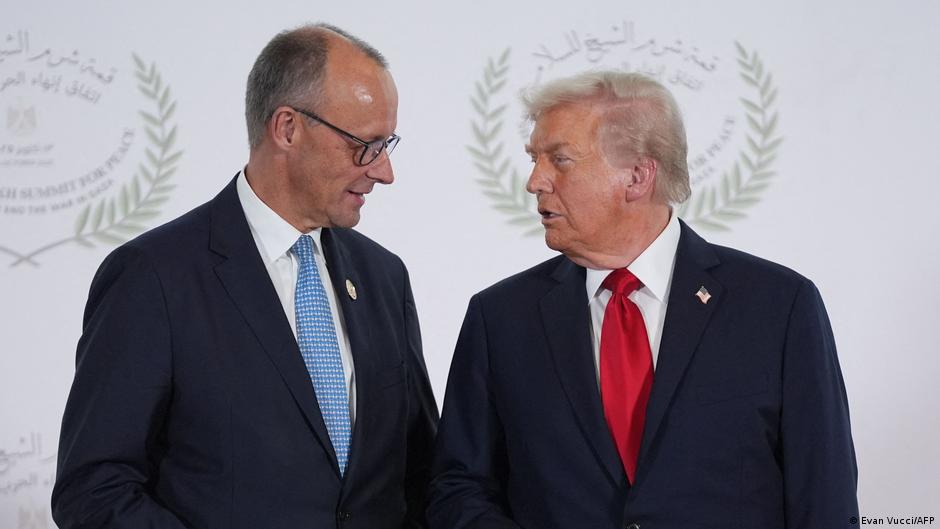
Germany Rejects US Security Strategy Criticism
Germany has firmly dismissed a new US security strategy released Friday that contains scathing assessments of Europe's economic and political trajectory. The doctrine sparked unprecedented tensions across the Atlantic, with Berlin rejecting characterizations of European decline and what officials view as unwarranted interference in continental affairs. The strategy's ideological underpinnings have deepened transatlantic divisions significantly.
European Response and Strategic Implications
European leaders convened urgently to address the contentious policy shift. The US strategy demands wealthy allies assume greater financial and military responsibility in their regions, signaling Washington's reduced commitment to acting as sole guarantor of global order. Germany faces pressure to develop autonomous defense capabilities while grappling with structural dependencies on American security guarantees, creating a paradoxical situation requiring both European sovereignty and continued transatlantic cooperation.
Path Forward
Berlin must acknowledge its historical reliance on US security, cheap Russian energy, and open global markets while adapting to this new strategic reality. German officials recognize that comfortable geopolitical positions no longer exist without substantial military investment and acceptance of heightened regional risks.
```