House Set to Vote on $900B Defense Policy Bill
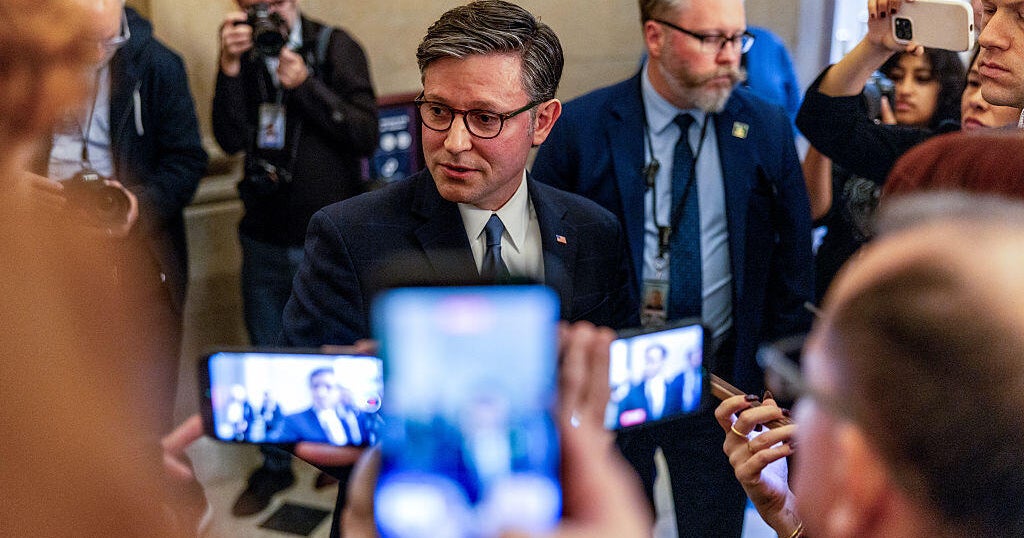
House Set to Vote on $900 Billion Defense Policy Bill
The U.S. House of Representatives is poised to vote on a landmark $900 billion defense policy bill, marking a critical step in the annual National Defense Authorization Act (NDAA) process. This legislation is vital as it authorizes military spending and sets defense priorities for the coming year, continuing a legislative tradition maintained for over six decades.
Key Provisions and Legislative Context
The bill includes a historic $901 billion budget, exceeding the President’s earlier request by $8 billion. It features significant military aid, notably $400 million annually for Ukraine over the next two years, underscoring bipartisan support for European security amid ongoing conflicts. Negotiators have worked to reconcile differences between the House and Senate versions, focusing on defense readiness, acquisitions, and policy reforms including the elimination of controversial training programs.
Political Dynamics and Next Steps
The House vote followed a narrow margin on procedural rules, reflecting some partisan tension. Despite concerns voiced by lawmakers, there is broad consensus on the bill’s necessity. After House approval, the Senate is expected to pass the bill swiftly before it reaches the President, who has committed to signing it into law, ensuring continued defense funding and strategic direction.
About the Organizations Mentioned
U.S. House of Representatives
## Overview The **U.S. House of Representatives** is the lower chamber of the United States Congress, which—alongside the Senate—comprises the nation’s legislative branch[1][2]. Established by Article I of the U.S. Constitution, its structure reflects the “Great Compromise,” balancing population-based representation (the House) with equal state representation (the Senate)[5][7]. The House currently consists of 435 voting members, apportioned among the 50 states based on population, plus six non-voting delegates representing Washington, D.C., Puerto Rico, and other U.S. territories[1][4]. ## Functions and Powers The House plays a pivotal role in the federal government, with exclusive authority to initiate revenue (tax) bills, impeach federal officials, and elect the president in the event of an Electoral College tie[1][2][4]. It is central to the federal budget process, shaping and passing appropriations bills that fund government operations[3]. The House also holds investigative and oversight powers, scrutinizing the executive branch to ensure accountability[8]. All legislation must pass both the House and Senate in identical form before reaching the president’s desk[5]. ## History and Evolution Since its inception in 1789, the House has been directly elected by the people, with members serving two-year terms to ensure responsiveness to public opinion[4]. Initially, suffrage was limited, but expanded over time, especially after constitutional amendments and the civil rights movement[2]. The House’s structure—based on population—was designed to give populous states greater influence, while the Senate protects smaller states’ interests[5][7]. ## Leadership and Operations Leadership is dominated by a majority-rule system, with the Speaker of the House—elected by members and traditionally from the majority party—wielding significant influence over the legislative agenda and committee assignments[3][7]. The Speaker is second in the presidential line of succession[3].
Senate
The **United States Senate** includes several key committees critical to business and technology policy, notably the *Senate Committee on Small Business and Entrepreneurship* and the *Senate Committee on Commerce, Science, and Transportation*. These committees play pivotal roles in shaping legislation that impacts small businesses, innovation, technology development, and commerce nationwide. The **Senate Committee on Small Business and Entrepreneurship** advocates for small businesses by overseeing the Small Business Administration (SBA), which provides capital access, education, technical assistance, and federal contracting opportunities to small enterprises. This committee’s historical role has been to ensure the vitality of small businesses, which are essential to the American economy. Recent efforts include bipartisan reforms targeting SBA program efficiency, fraud prevention related to pandemic aid, and support for entrepreneurship in underserved communities. They also focus on programs like the Small Business Innovation Research (SBIR) and Small Business Technology Transfer (STTR), which connect federal agencies with private entrepreneurs to accelerate research and development in critical tech areas, thereby maintaining U.S. technological leadership[1][4][5][8]. The **Senate Committee on Commerce, Science, and Transportation** is one of the largest Senate committees, overseeing broad sectors including consumer protection, economic development, manufacturing, trade, science, and transportation infrastructure. It addresses emerging technologies, environmental issues like climate change, and space exploration, both government-funded and private. This committee significantly influences national business practices, product safety, competitiveness, and innovation ecosystems, affecting industries from maritime to digital technology[2][7]. Notable recent activities include Senate hearings on Big Tech antitrust and competition policies, emphasizing the need to regulate dominant technology firms to foster innovation and protect consumers and workers. This aligns with broader legislative efforts addressing artificial intelligence and technological competitiveness in 2025[6][10]. In summary, the Senate’s organizational structure and committees serve as crucial instruments in shaping U.S. business and technology landscapes. Through oversight, legislation, and reform initiatives, they support small businesses, promote innovation