Immigration and GOP Midterm Vulnerability: From Border Wins to Interior Crackdowns
Immigration: From GOP Strength to Midterm Vulnerability
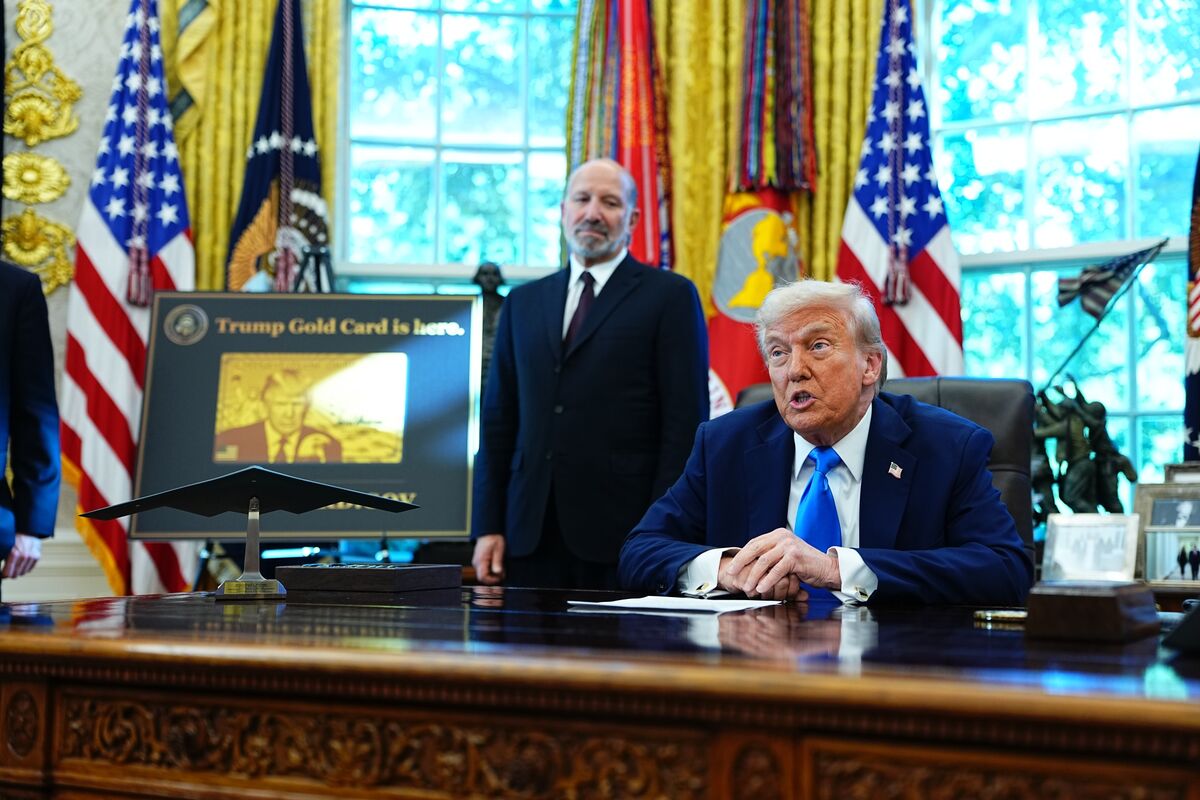
Immigration once powered Republican victories, with Donald Trump capitalizing on border chaos to promise massive deportations and wall construction. Voters overwhelmingly backed sealing the southern border, viewing it as a win against Biden-era laxness. Yet, as midterms loom, aggressive interior enforcement is eroding this edge, sparking fears among party leaders.[1][6]
Interior Crackdowns Fuel Backlash
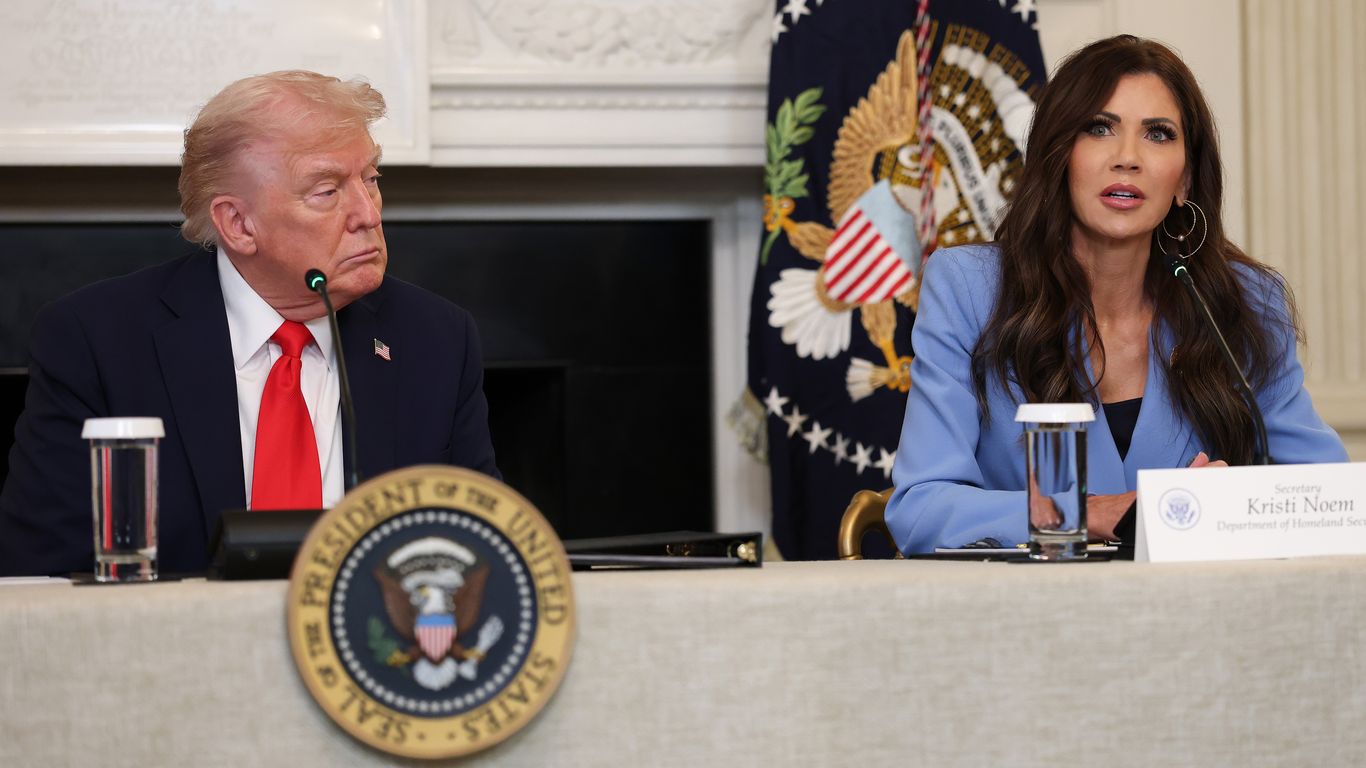
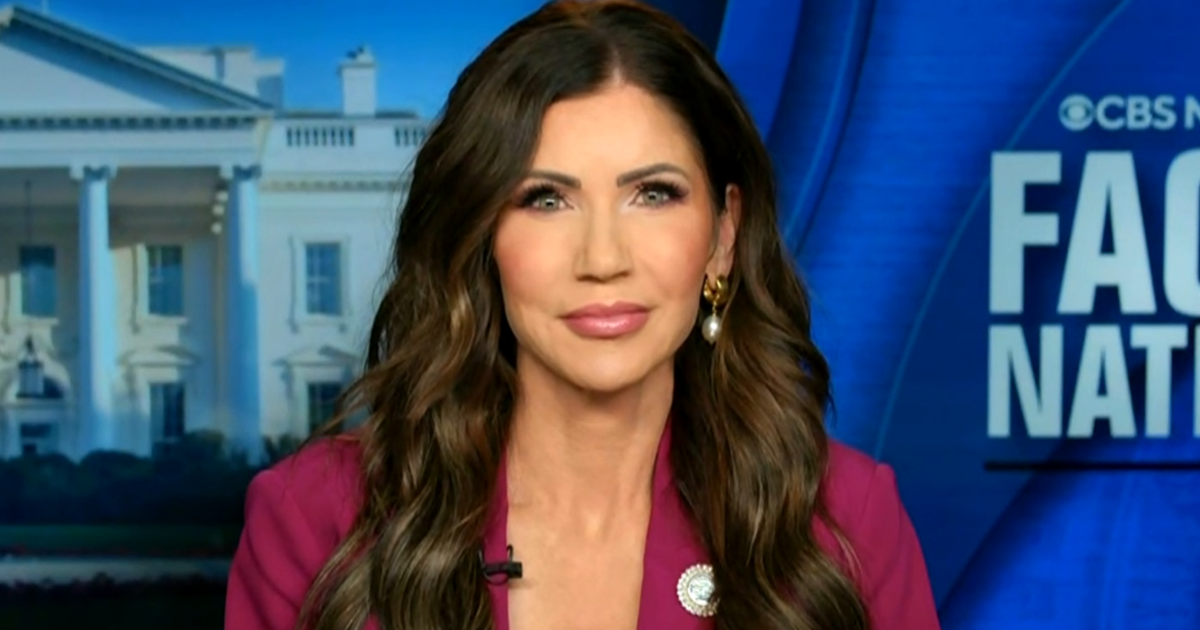
Shifting from border focus to nationwide raids, including tragic fatalities in Minneapolis, has drawn ire from even Trump allies like Joe Rogan and Oklahoma City Mayor David Holt. Critics argue these tactics alienate moderates who support deporting criminals but recoil at broad operations disrupting communities. Republicans whisper blame at advisors and Homeland Security Secretary Kristi Noem, demanding accountability without directly challenging Trump.[1][2][6]
Midterm Risks and Path Forward
Polls show sustained GOP support for tough policies, but missteps risk handing Democrats ammunition. Texas Republicans fiercely back mass deportations, yet national unease grows. To reclaim strength, the party must pivot to targeted enforcement, border security, and reform talks, balancing voter intensity with broader appeal before midterms decide control.[3][6]
About the People Mentioned
Donald Trump
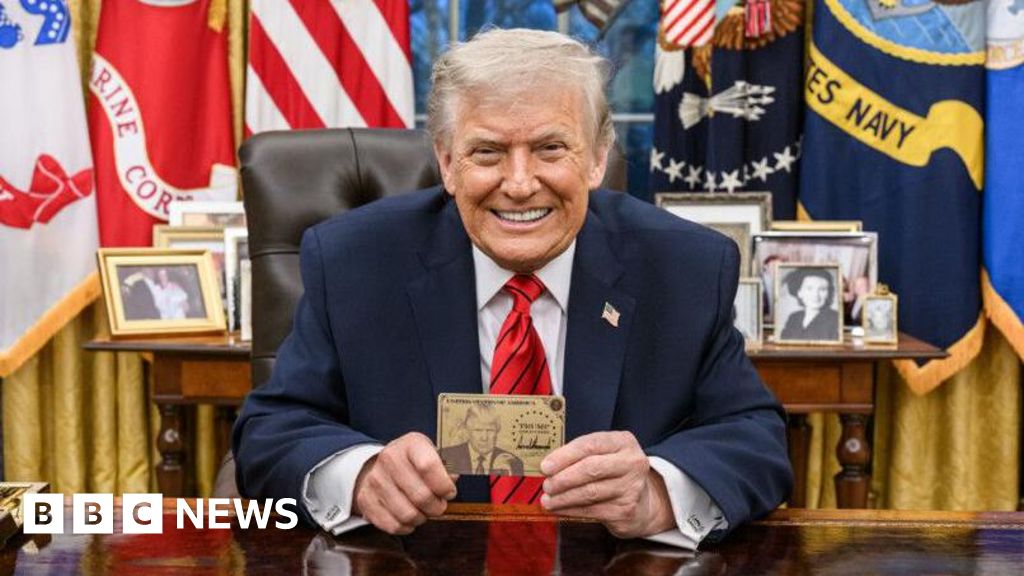
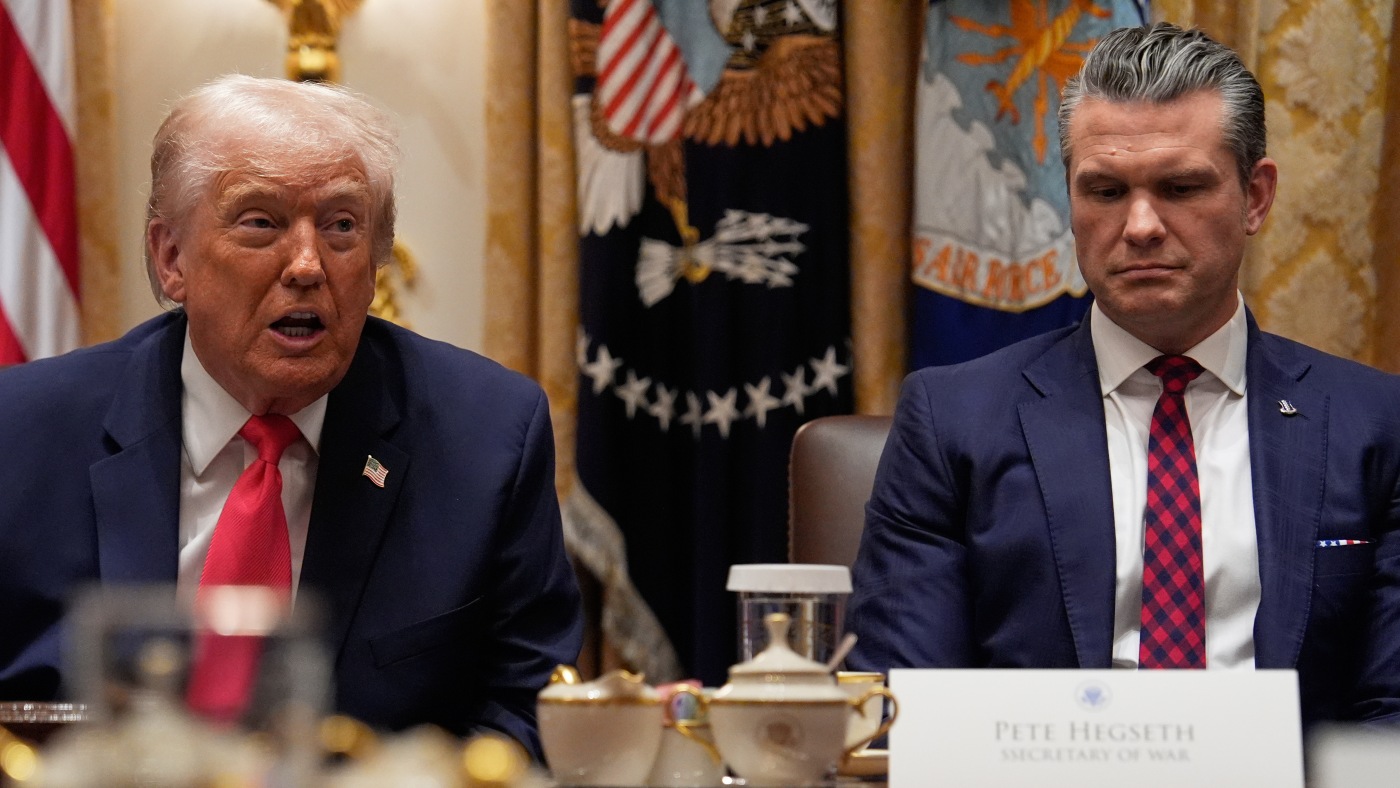
Donald John Trump, born June 14, 1946, in Queens, New York, is an American businessman, media personality, and politician. He graduated from the University of Pennsylvania’s Wharton School in 1968 with a degree in economics. In 1971, he took over his family’s real estate business, renaming it the Trump Organization, through which he expanded into building and managing skyscrapers, hotels, casinos, and golf courses. Trump gained widespread fame as the host of the reality TV show *The Apprentice* from 2004 to 2015, which helped establish his public persona as a successful entrepreneur. Trump entered politics as a Republican and was elected the 45th president of the United States, serving from 2017 to 2021. His presidency was marked by significant policy actions including tax cuts, deregulation, the appointment of three Supreme Court justices, renegotiation of trade agreements (notably replacing NAFTA with the USMCA), and a focus on immigration control including border wall expansion. He withdrew the U.S. from international agreements such as the Paris Climate Accord and the Iran nuclear deal, and engaged in a trade war with China. His administration’s response to the COVID-19 pandemic was criticized for downplaying the virus’s severity. Trump was impeached twice by the House of Representatives—first in 2019 for abuse of power and obstruction, and again in 2021 for incitement of insurrection—but was acquitted by the Senate both times. After losing the 2020 election to Joe Biden, Trump challenged the results, culminating in the January 6, 2021, Capitol riot. He remains a central figure in American politics, having won the 2024 presidential election and returned as the 47th president in 2025, continuing to promote policies aimed at economic growth, border security, and military strength[1][2][3][4].
Kristi Noem
Kristi Noem is a South Dakota politician born on November 30, 1971, in Watertown, South Dakota. She grew up on a family ranch and farm in rural Hamlin County. Noem graduated from South Dakota State University with a Bachelor of Arts degree in Political Science in 2011. She began her political career in the South Dakota House of Representatives, serving from 2006 to 2010, including a stint as Assistant Majority Leader. In 2010, she was elected to the U.S. House of Representatives, representing South Dakota's at-large congressional district for four terms until 2019. In 2018, Noem made history by becoming South Dakota's first female governor. She was reelected in 2022. During her tenure as governor, Noem focused on reducing taxes, cutting regulations, and promoting economic growth. Her approach to the COVID-19 pandemic, which included not implementing statewide lockdowns or mask mandates, garnered national attention. Noem is known for her conservative stance on issues like gun rights and border security. Noem has written two books: *Not My First Rodeo: Lessons from the Heartland* (2022) and *No Going Back* (2024). In January 2025, she resigned as governor after being confirmed by the Senate as the United States Secretary of Homeland Security, the first South Dakotan to hold this position. As Secretary, she oversees a department with over 260,000 employees and a budget exceeding $100 billion. Recently, while in her role as Homeland Security Secretary, Noem was involved in a controversial incident in Los Angeles where a U.S. Senator was forcibly removed from a press conference. Despite this, she continues to be a prominent figure in U.S. politics, particularly in conservative circles.
About the Organizations Mentioned
Homeland Security
The **Department of Homeland Security (DHS)** is a U.S. federal agency established in response to the September 11, 2001 terrorist attacks, with the mission to protect the nation against a wide range of threats, including terrorism, natural disasters, cyberattacks, and immigration-related challenges. DHS’s core responsibilities include securing the borders, managing immigration enforcement, safeguarding critical infrastructure, and responding to emergencies, thereby ensuring the safety and resilience of the American people and economy[1][2]. Since its inception, DHS has evolved to address emerging threats, particularly in technology and security domains. The department integrates efforts across federal, state, and local levels and partners with private and non-profit sectors to enhance national security infrastructure. A key focus has been on adapting to modern risks such as cyber intrusions, drone threats to critical infrastructure, and disruptions to supply chains—all vital concerns for business and technology sectors[2]. Notable achievements of DHS include strengthening border security operations, advancing cybersecurity protocols, and improving disaster response coordination. For example, recent initiatives have expanded the authority of federal law enforcement agencies beyond traditional immigration roles to more effectively manage border security and immigration enforcement under the current administration, reflecting ongoing policy shifts tied to national priorities[1]. Looking to the future, strategic discussions around DHS emphasize innovation in technology and integrated threat management. Experts envision a homeland security landscape increasingly influenced by advanced surveillance, unmanned systems, and digital defense mechanisms aimed at countering sophisticated threats in 2025 and beyond[2]. Currently, DHS remains a central pillar in U.S. national security, continually adapting to political, technological, and global developments. It operates under evolving mandates that balance civil liberties with security imperatives, making it a dynamic and often debated organization in the intersection of governance, technology, and public safety[1][2].
Republicans
The **Republican Party** is a major political organization in the United States, founded in 1854 in Jackson, Michigan, primarily by anti-slavery activists opposing the expansion of slavery into new U.S. territories[1][2]. Its origins lie in the political turmoil following the Kansas-Nebraska Act, which ignited sectional conflicts. The party emerged from a coalition of former Whigs, Free Soil Democrats, and abolitionists united by the ideology of "Free Soil, Free Labor, Free Men," advocating against slavery, supporting free market labor, and promoting modern economic development including railroads, banking, and high tariffs[4][6]. Key early achievements include the nomination and election of Abraham Lincoln as the first Republican president in 1860, whose leadership during the Civil War was pivotal in preserving the Union and abolishing slavery. Lincoln’s Emancipation Proclamation and the party’s role in passing the 13th, 14th, and 15th Amendments were landmark contributions to civil rights and the redefinition of American freedom[2][5][6]. The party dominated national politics from the Civil War era until the Great Depression, during which it was the principal advocate for industrial and business interests, protective tariffs, and national banking[2][5]. Throughout its history, the Republican Party has undergone ideological shifts but has consistently emphasized economic modernization and conservative fiscal policies, aligning with business and technological advancement. The early 20th century saw figures like Theodore Roosevelt promote progressive reforms, while later eras emphasized free enterprise and innovation to drive growth[2][4]. Currently, the Republican Party remains a central force in American politics, influencing policies related to business, technology, and governance. Its historical legacy as the party of Lincoln and abolition continues to be a defining aspect, shaping its identity and appeal, especially in debates over civil rights, economic policy, and national unity[5][6]. The party’s evolution reflects ongoing tensions between tradition and modernization within the U.S. political landscap