Israel Recognizes Somaliland: Historic Diplomatic Breakthrough in the Horn of Africa
#israel #somaliland #diplomacy #abraham_accords #horn_of_africa
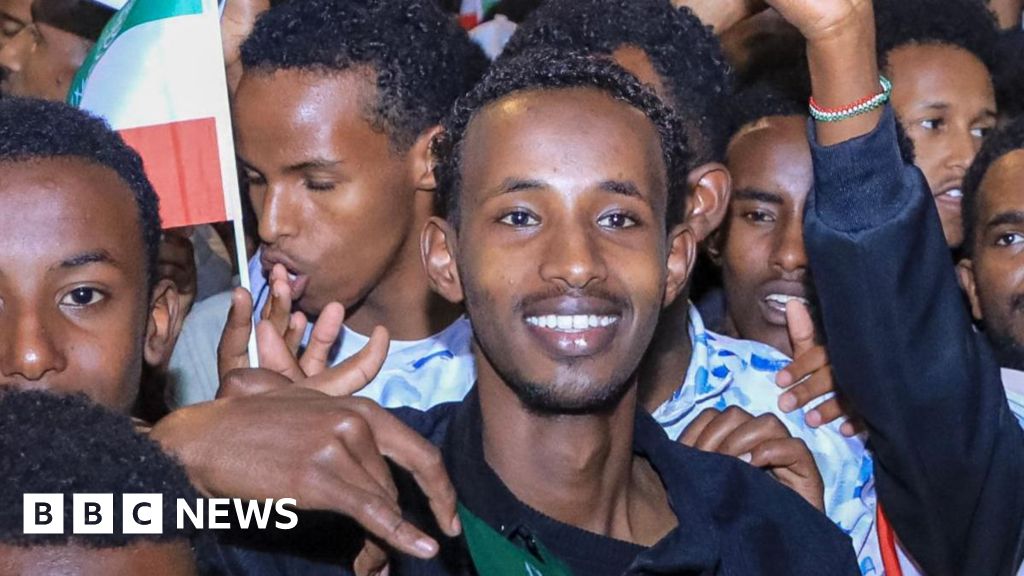
Israel's Historic Recognition of Somaliland
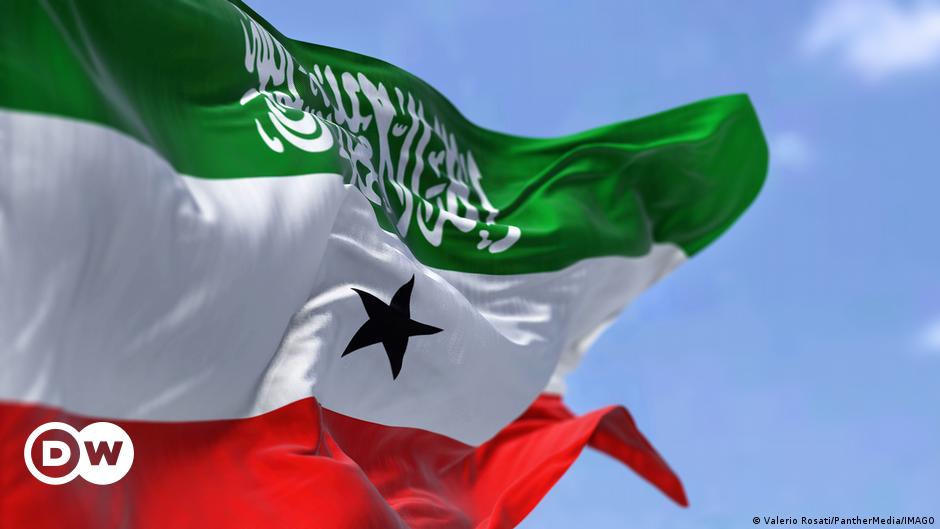
On December 26, 2025, Israel became the first United Nations member state to officially recognize Somaliland as an independent sovereign state.[1] This landmark decision followed a mutual declaration signed by Prime Minister Benjamin Netanyahu and Somaliland's President Abdirahman Mohamed Abdullahi, framed within the spirit of the Abraham Accords.[1] The recognition represents a significant diplomatic shift in the Horn of Africa region.
Why Somaliland Sought Recognition
Somaliland has pursued international recognition for over three decades since breaking away from Somalia.[3] The lack of formal recognition has severely hampered its access to foreign loans, aid, and investment, leaving the region deeply impoverished.[3] In May 2025, Somaliland's leadership appealed to UN member states for recognition, intensifying efforts under the new Trump administration.[2]
Strategic Implications
Somaliland's recognition by Israel opens pathways for full diplomatic relations and expanded cooperation across multiple sectors.[4] The agreement positions Somaliland as a potential member of the Abraham Accords, promising economic opportunities and regional stability.[3] This recognition signals Israel's broader engagement strategy in Africa and the Horn of Africa region.
```About the People Mentioned
Benjamin Netanyahu
Benjamin Netanyahu, born on October 21, 1949, in Tel Aviv, Israel, is a prominent Israeli politician and diplomat who has served as Prime Minister of Israel three times (1996–1999, 2009–2021, and from 2022 onwards). He began his career in the Israeli military's special operations and later transitioned into politics in the late 1980s, joining the Likud party[1][2]. Netanyahu first became prime minister in 1996, during which time he signed the Hebron and Wye Accords, advancing peace efforts with the Palestinians. His administration focused on economic reforms such as government privatization, liberalizing currency regulations, and reducing deficits. After losing the 1999 election, he served as foreign minister and finance minister before reclaiming the Likud leadership in 2005[1][3][4]. Returning as prime minister in 2009, Netanyahu formed a national unity government and proposed a demilitarized Palestinian state recognizing Israel as the Jewish state, emphasizing security concerns. His tenure was marked by fluctuating peace negotiations with the Palestinians and contentious policies including settlement expansions. He also maintained a hawkish stance on Iran and supported the Iraq war[1][3][5]. In 2022, Netanyahu made a political comeback as prime minister, leading a coalition that included far-right parties. His leadership during this period has been pivotal amid the 2023–2024 Israel-Hamas conflict, with significant domestic and international implications[2]. Netanyahu is Israel’s longest-serving prime minister and remains a central figure in Israeli politics, known for his strong security policies, economic reforms, and complex role in the Israeli-Palestinian conflict. His career has been marked by both political resilience and controversy, reflecting his enduring influence on Israel’s domestic and foreign affairs[2][3][5].
About the Organizations Mentioned
United Nations
The United Nations (UN) is a pivotal international organization established in 1945, following the devastation of World War II, with the primary goal of maintaining global peace and security, fostering international cooperation, and promoting social progress. The UN Charter, signed by 51 founding member states, including the United States, the United Kingdom, China, and the Soviet Union, laid the foundation for this ambitious endeavor[1][3]. ## History and Structure The UN was born out of the failures of its predecessor, the League of Nations, which failed to prevent World War II. Key planning meetings, such as the Dumbarton Oaks Conference in 1944, defined the UN's structure, which includes the General Assembly, the Security Council, the Economic and Social Council, the Trusteeship Council, the International Court of Justice, and the Secretariat[1][6]. The Security Council, with five permanent members (the United States, China, France, Russia, and the United Kingdom), holds significant influence due to its veto power[2]. ## Key Achievements Over the years, the UN has played a crucial role in conflict resolution, human rights advocacy, and sustainable development. Notable achievements include the establishment of the Universal Declaration of Human Rights in 1948 and the implementation of numerous peacekeeping missions worldwide[3][4]. The UN has also been instrumental in addressing global challenges such as climate change and pandemics through its various programs and agencies. ## Current Status Today, the UN comprises 193 member states, with its most recent addition being South Sudan in 2011[5]. The organization continues to evolve, addressing emerging issues like digital governance and cybersecurity. Despite challenges, the UN remains a cornerstone of international diplomacy and cooperation. ## Notable Aspects The UN's work is not limited to politics; it also impacts business and technology through initiatives that promote sustainable development and digital inclusion. Its role in setting global standards and fostering international cooperation makes it a significant player in shaping the