5 Key Takeaways from Jack Smith's Deposition on Trump Probes
5 Key Takeaways from Jack Smith's Deposition on Trump Probes
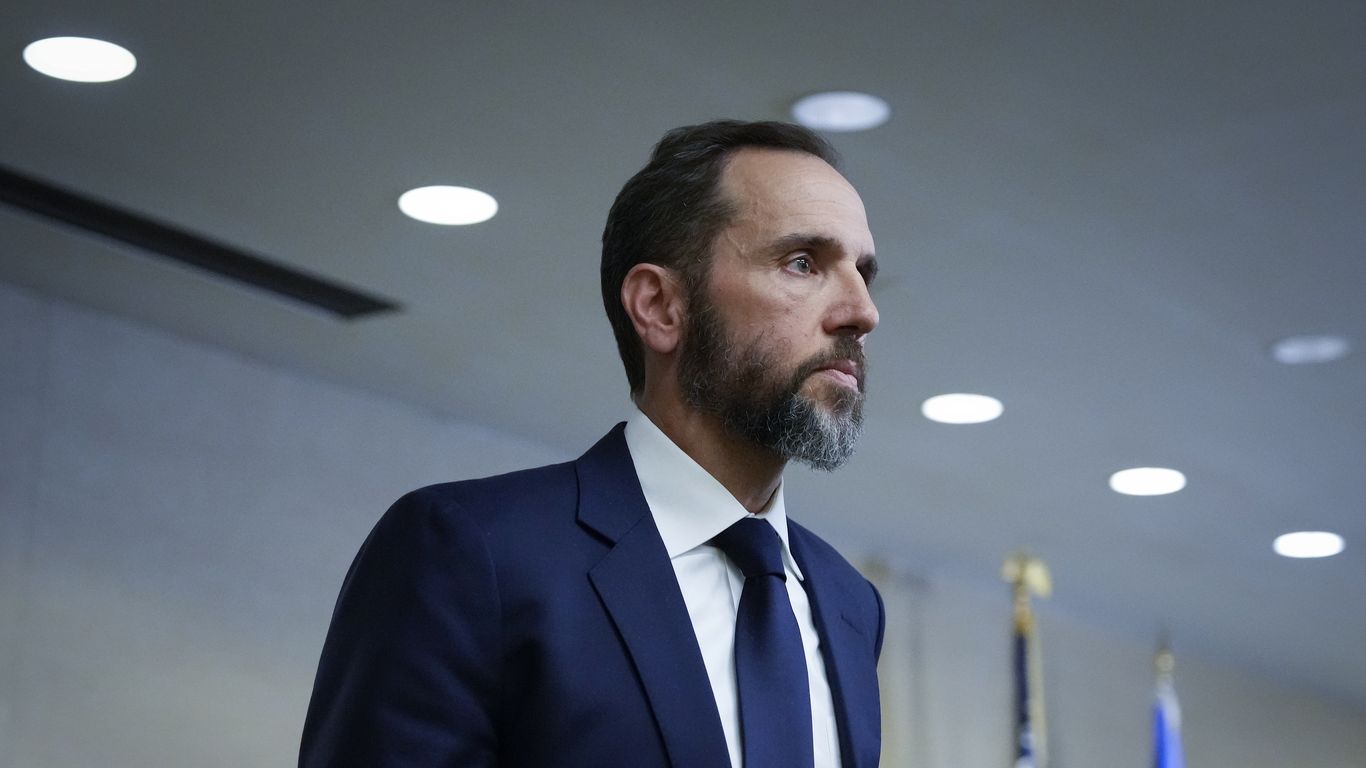
Special Counsel Jack Smith's recent congressional testimony offers critical insights into his investigations of former President Donald Trump, firmly rejecting any notion of political interference aimed at disrupting elections. Released on New Year's Eve, the 255-page transcript reveals Smith's steadfast defense of his probes into election subversion and classified documents.
Robust Defense Against Political Bias Claims
Smith categorically denied characterizations that his work sought to hamper Trump's presidential bid, emphasizing evidence-driven pursuits. He highlighted Trump's alleged crimes as historic, insisting prosecution was compelled by justice principles despite Supreme Court immunity rulings. Smith's office prepared for public trials, confident in convictions based on thorough evidence.
Strategy Centered on Trump's Inner Circle
A core tactic involved leveraging testimony from Trump's own Republican allies who prioritized country over party loyalty. Smith detailed how these witnesses exposed Trump's pressure on officials to overturn 2020 results, including fake electors and Justice Department manipulations. He addressed January 6 SUV incident doubts by confirming interviews with involved officers, countering Cassidy Hutchinson critiques while revealing Trump's retribution fears amid security clearance revocations for his legal team.
About the People Mentioned
Donald Trump
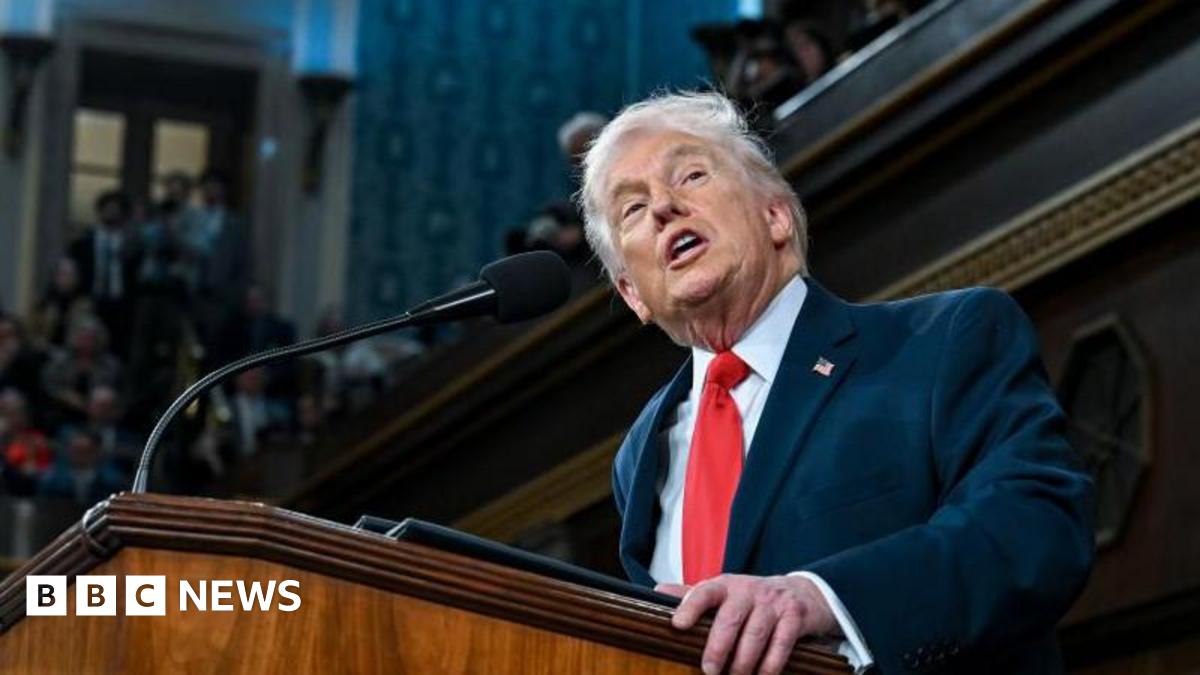
Donald John Trump, born June 14, 1946, in Queens, New York, is an American businessman, media personality, and politician. He graduated from the University of Pennsylvania’s Wharton School in 1968 with a degree in economics. In 1971, he took over his family’s real estate business, renaming it the Trump Organization, through which he expanded into building and managing skyscrapers, hotels, casinos, and golf courses. Trump gained widespread fame as the host of the reality TV show *The Apprentice* from 2004 to 2015, which helped establish his public persona as a successful entrepreneur. Trump entered politics as a Republican and was elected the 45th president of the United States, serving from 2017 to 2021. His presidency was marked by significant policy actions including tax cuts, deregulation, the appointment of three Supreme Court justices, renegotiation of trade agreements (notably replacing NAFTA with the USMCA), and a focus on immigration control including border wall expansion. He withdrew the U.S. from international agreements such as the Paris Climate Accord and the Iran nuclear deal, and engaged in a trade war with China. His administration’s response to the COVID-19 pandemic was criticized for downplaying the virus’s severity. Trump was impeached twice by the House of Representatives—first in 2019 for abuse of power and obstruction, and again in 2021 for incitement of insurrection—but was acquitted by the Senate both times. After losing the 2020 election to Joe Biden, Trump challenged the results, culminating in the January 6, 2021, Capitol riot. He remains a central figure in American politics, having won the 2024 presidential election and returned as the 47th president in 2025, continuing to promote policies aimed at economic growth, border security, and military strength[1][2][3][4].
About the Organizations Mentioned
Justice Department
The United States Department of Justice (DOJ) is the principal federal agency responsible for enforcing federal laws, ensuring public safety, and protecting civil rights. Headquartered in Washington, D.C., the DOJ operates under the leadership of the Attorney General, who serves as a key member of the President’s Cabinet. As of 2025, Pam Bondi holds this position, having taken office in February and quickly shaping the department’s priorities. Established in 1870 during President Ulysses S. Grant’s administration, the DOJ’s roots trace back to the creation of the Attorney General’s office in 1789. Over the years, it has grown into a vast organization with more than 115,000 employees and over 40 component agencies, including the Federal Bureau of Investigation (FBI), Drug Enforcement Administration (DEA), and U.S. Marshals Service. The DOJ also houses specialized divisions for criminal, civil, antitrust, tax, civil rights, and national security matters, and oversees 94 U.S. Attorney offices nationwide. The DOJ’s mission centers on upholding the rule of law, safeguarding national security, and defending civil liberties. In 2025, the department has shifted its enforcement focus, prioritizing areas such as healthcare fraud, customs and tariff evasion, and corporate misconduct, especially involving foreign adversaries and financial gatekeepers. Recent policy changes have emphasized efficiency in investigations and reduced reliance on corporate compliance monitors, reflecting a broader effort to minimize regulatory burdens on businesses. Notably, the DOJ has also been tasked with reviewing past government conduct to address concerns about the “weaponization” of federal agencies, ensuring accountability and restoring public trust. For business and technology leaders, the DOJ’s evolving priorities—particularly in areas like cybersecurity, antitrust, and international trade—have significant implications for compliance, risk management, and corporate governance.
Supreme Court
The **Supreme Court of the United States**, commonly referred to as SCOTUS, is the highest court in the U.S. federal judiciary. Established by Article III of the U.S. Constitution, it plays a pivotal role in interpreting the Constitution and federal laws, ensuring their alignment with the founding document. ## Organization and History Founded in 1789, the Supreme Court initially consisted of a Chief Justice and five Associate Justices. Over time, the number of justices has fluctuated, settling at nine in 1869[4]. The Court's primary function is to adjudicate cases involving federal law and the Constitution, with the power to review and overturn decisions from lower courts[1][6]. It also has original jurisdiction in cases involving ambassadors, consuls, and disputes between states[1]. ## Key Achievements One of the Supreme Court's most significant achievements is the establishment of judicial review through the landmark case **Marbury v. Madison** in 1803. This decision allowed the Court to invalidate laws deemed unconstitutional, setting a precedent for its role in checking the legislative and executive branches[1][2]. ## Current Status Today, the Supreme Court continues to play a crucial role in shaping U.S. law and policy. It meets annually from October to June or July, reviewing thousands of petitions and deciding around 80 cases each year[1][2]. The Court's decisions often have profound impacts on business and technology, influencing regulatory environments and legal frameworks. ## Notable Aspects - **Independence**: Justices are appointed for life, ensuring the Court's independence from political pressures. - **Influence on Business and Technology**: Supreme Court rulings can significantly impact business practices and technological innovation by clarifying legal standards and regulatory frameworks. - **Symbolism**: The Court is symbolically important, with its motto "Equal Justice Under Law" reflecting its commitment to fairness and impartiality[3].