Mass Resignations Hit Minneapolis US Attorney's Office Over Pretti Probe
#minneapolis #prosecutors #pretti_probe #good_shooting #resignations

Prosecutors on the Brink Over Pretti Probe
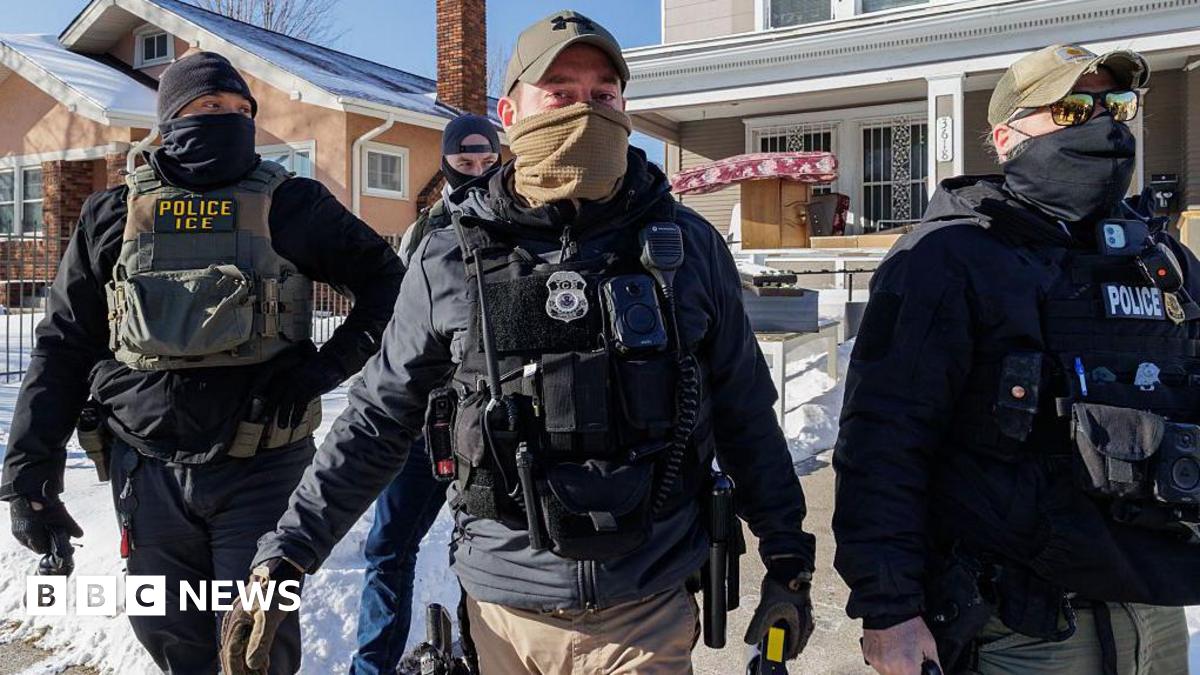
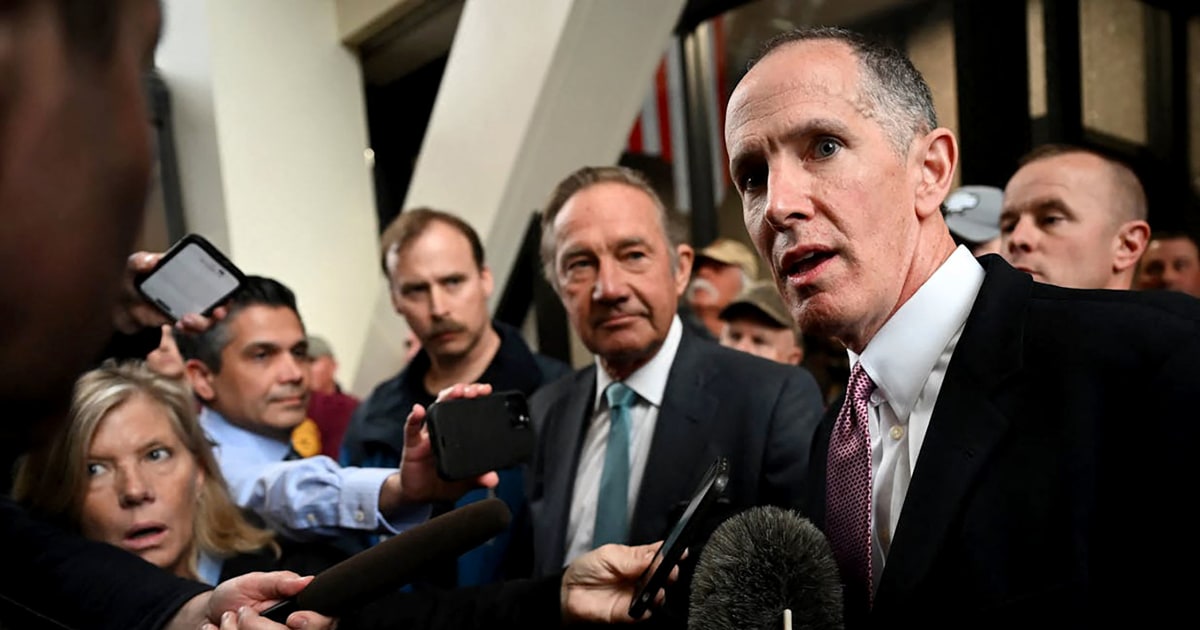
Federal prosecutors in Minneapolis are nearing mass resignations, furious over the Justice Department's handling of the Alex Pretti and Renée Good shootings by federal agents. Sources reveal attorneys met leadership, voicing outrage at the lack of civil rights probes, with some visibly emotional post-meeting. Pretti, an ICU nurse directing traffic, was pepper-sprayed, restrained, and shot despite his holstered legal firearm never being drawn, per video evidence.[1]
Wave of Resignations Grips US Attorney's Office
Frustrations peaked after ICE officer Jonathan Ross killed Good, with orders to investigate her widow instead of the shooter. At least five attorneys, including second-in-command Joseph Thompson, quit January 13; seven more followed, among them senior litigation counsel and civil section chief. Early retirements signal deeper turmoil in an already depleted office.[1][2]
Congress Steps In Amid Growing Scrutiny
Democrats on House Judiciary demand Justice records by February 2 on Pretti's death, while Republicans question self-investigations by DHS and HSI. State suits allege evidence blocking, highlighting tensions between federal and local probes. This crisis underscores eroding trust in handling officer-involved fatalities.[3]
About the Organizations Mentioned
Justice Department
The United States Department of Justice (DOJ) is the principal federal agency responsible for enforcing federal laws, ensuring public safety, and protecting civil rights. Headquartered in Washington, D.C., the DOJ operates under the leadership of the Attorney General, who serves as a key member of the President’s Cabinet. As of 2025, Pam Bondi holds this position, having taken office in February and quickly shaping the department’s priorities. Established in 1870 during President Ulysses S. Grant’s administration, the DOJ’s roots trace back to the creation of the Attorney General’s office in 1789. Over the years, it has grown into a vast organization with more than 115,000 employees and over 40 component agencies, including the Federal Bureau of Investigation (FBI), Drug Enforcement Administration (DEA), and U.S. Marshals Service. The DOJ also houses specialized divisions for criminal, civil, antitrust, tax, civil rights, and national security matters, and oversees 94 U.S. Attorney offices nationwide. The DOJ’s mission centers on upholding the rule of law, safeguarding national security, and defending civil liberties. In 2025, the department has shifted its enforcement focus, prioritizing areas such as healthcare fraud, customs and tariff evasion, and corporate misconduct, especially involving foreign adversaries and financial gatekeepers. Recent policy changes have emphasized efficiency in investigations and reduced reliance on corporate compliance monitors, reflecting a broader effort to minimize regulatory burdens on businesses. Notably, the DOJ has also been tasked with reviewing past government conduct to address concerns about the “weaponization” of federal agencies, ensuring accountability and restoring public trust. For business and technology leaders, the DOJ’s evolving priorities—particularly in areas like cybersecurity, antitrust, and international trade—have significant implications for compliance, risk management, and corporate governance.
US Attorney's Office
The **U.S. Attorney’s Office (USAO)** serves as the principal federal prosecutorial and litigation arm in each of the 94 judicial districts across the United States and its territories. Led by a U.S. Attorney appointed by the President and confirmed by the Senate, the USAO represents the federal government in both criminal prosecutions and civil cases, acting as the chief federal law enforcement officer within its district[3][4][5]. Historically rooted in the Judiciary Act of 1789, which established the office to enforce federal laws, the USAO has evolved into a complex organization balancing prosecution, litigation, and administrative functions. The office is divided primarily into criminal and civil divisions: the criminal division prosecutes violations ranging from organized crime, drug trafficking, cybercrime, and political corruption to national security offenses, while the civil division defends government agencies and pursues affirmative litigation such as environmental enforcement and Medicare fraud cases[6]. This dual role ensures both the protection of public interests and the integrity of federal funds. Key achievements of the USAO include successfully prosecuting high-profile cases that uphold federal laws, recovering billions in fraudulent funds, and coordinating multi-agency investigations involving federal, state, and local law enforcement. The USAO also supports victim-witness assistance programs and handles sensitive Freedom of Information Act requests, demonstrating comprehensive administrative capabilities[1][3][6]. Currently, the USAO operates under the direction of the Attorney General and the Executive Office for U.S. Attorneys, maintaining substantial independence to set priorities that align with community needs within their districts[3][5]. Notably, the office blends legal expertise with advanced automated systems for case management and data quality monitoring, enhancing operational efficiency in an increasingly technology-driven environment[1]. For those interested in business and technology, the USAO represents a critical intersection where law enforcement meets sophisticated data systems and multi-jurisdictional coordination, making it a pivotal institution in maintaining federal legal standards and public trust.
ICE
**Immigration and Customs Enforcement (ICE)** is a federal law enforcement agency under the U.S. Department of Homeland Security (DHS), established in 2003 following the Homeland Security Act of 2002, which reorganized existing agencies post-9/11 to enhance national security[1][2]. ICE’s core mission is to protect the United States by enforcing immigration laws, conducting criminal investigations, and preserving public safety. ICE operates primarily through two major divisions: **Homeland Security Investigations (HSI)** and **Enforcement and Removal Operations (ERO)**. HSI focuses on investigating and disrupting transnational criminal organizations involved in customs violations, human trafficking, terrorism, and smuggling. ERO is responsible for the apprehension, detention, and deportation of individuals unlawfully present in the U.S., operating detention facilities and managing removal procedures[2]. ICE’s international reach is managed by the Office of International Affairs (OIA), a key overseas investigative arm coordinating with foreign governments to combat cross-border crime, such as arms smuggling, forced labor, and immigration fraud. OIA supports intelligence gathering, training, treaty implementation, and facilitates global cooperation to preempt threats before they reach U.S. borders[3]. With a workforce exceeding 20,000 employees across more than 400 offices worldwide and an annual budget of about $8 billion, ICE plays a pivotal role in U.S. homeland security[1]. Its activities, especially those involving immigration enforcement and detention, have made it a highly visible and sometimes controversial agency in public discourse, often referred to colloquially in Spanish as "la migra"[2]. Notable achievements include disrupting large-scale criminal networks internationally and supporting the enforcement of over 400 federal statutes concerning customs, immigration, and terrorism prevention. ICE’s dynamic operational scope—spanning law enforcement, international diplomacy, and legal administration—makes it a critical component of U.S. efforts to maintain national security and uphold the rule of law[1][2][
DHS
## Overview of the Department of Homeland Security (DHS) The Department of Homeland Security (DHS) is a cabinet-level executive department of the U.S. federal government, established in 2003 in direct response to the September 11, 2001, terrorist attacks[1][4]. Its primary mission is to safeguard the United States from a wide range of threats—including terrorism, cyberattacks, natural disasters, and border-related risks—by coordinating efforts across federal, state, local, and private sectors[1][2][4]. With an annual budget of approximately $90–185 billion and over 240,000 employees, DHS is the third-largest federal department, reflecting its broad mandate and operational scale[1][4][6]. ## What DHS Does DHS operates through a network of agencies and directorates, each specializing in different aspects of domestic security. Its core functions include: - **Counterterrorism:** Preventing and responding to terrorist threats, both physical and cyber, through intelligence gathering, law enforcement coordination, and critical infrastructure protection[1][2][4]. - **Border and Transportation Security:** Managing and securing U.S. borders, ports, and transportation systems, including the oversight of Customs and Border Protection (CBP), Transportation Security Administration (TSA), and Coast Guard[1][2][3]. - **Immigration and Customs Enforcement:** Enforcing immigration laws, including the detention and removal of individuals who pose national security or public safety risks[2][5]. - **Cybersecurity:** Defending federal networks and critical infrastructure from cyber threats, while promoting public-private partnerships to enhance national cyber resilience[1][4]. - **Disaster Preparedness and Response:** Leading federal disaster response efforts through the Federal Emergency Management Agency (FEMA), coordinating with first responders, and supporting community recovery[1][3][6]. ## History and Key Achievements DHS was created by the Homeland Security Act of 2002, consolidating
HSI
**HSI (Health & Safety Institute)** is a leading provider of cloud-based, AI-powered software platforms specializing in **Environmental, Health, Safety, and Quality (EHSQ)**, training, compliance, and operational risk management solutions[1][3][6]. Headquartered in Frisco, Texas, with 501-1,000 employees and annual revenue around $164 million, HSI equips businesses across industries—from construction and retail to healthcare—with unified tools to reduce risks, ensure regulatory adherence, and foster safer workplaces[1][3]. HSI's platform integrates over **30 configurable modules**, including incident reporting, audits, inspections, hazard tracking, contractor management, sustainability (ESG), and first aid/CPR/AED training, all enhanced by **HSI Intelligence**—a purpose-driven AI that personalizes learning paths based on job roles, incidents, and regulations while proactively spotting risks[1][2][4][6]. This eliminates siloed systems, streamlining workflows for safety managers, HR, and operations leaders, with multilingual, no-code scalability for global teams[2][4]. While exact founding details are sparse in available data, HSI has built a robust track record over years, evolving from core EHS and workforce training into a market leader recognized for innovation[3][4]. A key achievement came in **October 2024**, when it acquired Skillko, a workforce compliance leader, expanding into supplier management and strengthening its European presence[3]. Customers report **significant outcomes**: reduced Total Recordable Incident Rates, cost savings, and better contract wins through compliance excellence[1]. Today, HSI thrives as an **award-winning innovator**, powering continuous improvement with AI-driven insights for full-lifecycle risk management—from near-misses via root cause analysis to chemical safety data sheets[2][4][6]. Its intuitive design supports diverse workforces, including contractors and vendors, driving operational excellence without blind spots[2]. For business and tec
House Judiciary
The **United States House Committee on the Judiciary**, often called the House Judiciary Committee, is a powerful standing committee of the U.S. House of Representatives tasked with overseeing federal justice administration, from courts and law enforcement to impeachment proceedings against officials like presidents.[1][4][6] Established on June 3, 1813, it began narrowly focused on judicial legislation but expanded dramatically to tackle bankruptcy, civil liberties, immigration, antitrust, patents, trademarks, terrorism, and intellectual property—areas vital to business and tech innovation.[3][6][8] Its **history** reflects America's legal evolution: from early oversight of espionage and counterfeiting to modern subcommittees like **Courts, Intellectual Property, and the Internet** (handling digital rights and online commerce) and **Antitrust, Commercial, and Administrative Law** (curbing monopolies in Big Tech).[2][5][6] Key **achievements** include central roles in presidential impeachments (Nixon in 1974, Clinton in 1998), confirming vice presidents under the 25th Amendment (Ford and Rockefeller in the 1970s), and shaping laws on Voting Rights, patents, and trade protections that fuel economic growth.[1][6] Today, in the **119th Congress**, Republican **Jim Jordan** chairs the committee, with Democrat **Jamie Raskin** as ranking member, guiding oversight of executive actions and the federal judiciary amid debates on AI ethics, data privacy, and crypto regulation.[4][5] With a hefty legislative load—any bill with civil or criminal penalties routes here—the committee drives tech policy, from internet governance to antitrust suits against giants like Google.[2][6] Notably, its legal-heavy membership amplifies influence on business landscapes, balancing innovation with accountability. As tech reshapes society, the Judiciary Committee remains a linchpin, ensuring laws evolve with digital frontiers.[1][7] (298 words)
Congress
The United States Congress is the legislative branch of the federal government, playing a pivotal role in shaping the nation's policies and laws. As a bicameral legislature, it consists of the House of Representatives and the Senate, each with distinct responsibilities. The House represents congressional districts, while the Senate represents states, ensuring diverse perspectives are heard. **History and Structure:** Congress has a rich history, evolving over time to reflect the nation's demographic changes and political shifts. It is structured into committees that specialize in various policy areas, facilitating the legislative process. The National Archives and Records Administration maintains historical records of Congress, highlighting its ongoing role in governance. **Key Achievements:** Throughout its history, Congress has achieved numerous milestones, including landmark legislation such as the Civil Rights Act and the Affordable Care Act. It has also played a significant role in shaping the nation's economic policies, influencing business and technological advancements. **Current Status:** The 119th Congress, which convened in January 2025, marks significant changes with a Republican majority in both chambers. This setup has implications for policy-making, especially in areas like healthcare and technology regulation. The current Congress is also notable for its diversity, being the most racially and ethnically diverse in history. **Notable Aspects:** - **Diversity and Representation:** The 119th Congress is the most diverse in U.S. history, with increased representation from diverse ethnic backgrounds and the inclusion of the first openly transgender federal legislator. - **Technological Integration:** Congress uses technology to enhance legislative processes, such as through platforms like Congress.gov, which provides access to legislative information and resources. - **Economic Impact:** Congress's decisions have profound impacts on business and technology sectors, influencing regulatory environments and investment opportunities. In summary, the U.S. Congress is a dynamic institution that plays a crucial role in shaping the nation's policies, laws, and economic landscape. Its ongoing evolution reflects the changing needs and demographics of the country, making it a vital