RFK Jr.'s Bold Vaccine Shift

RFK Jr.'s Bold Vaccine Shift
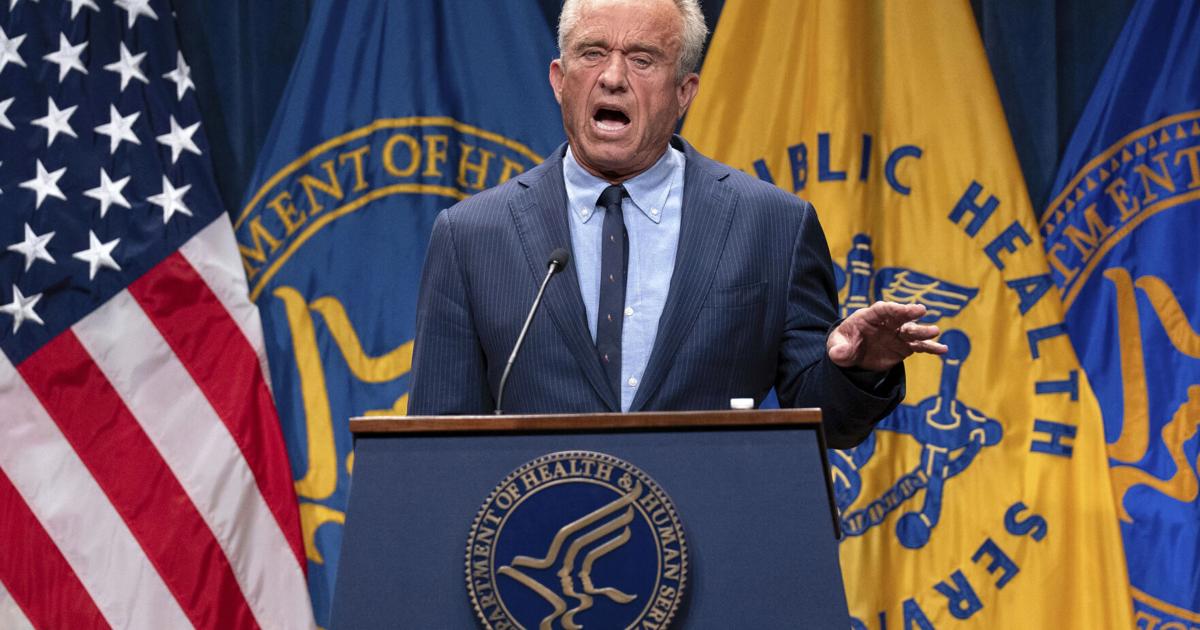
Under Robert F. Kennedy Jr.'s influence, the U.S. is eyeing a major overhaul in vaccine recommendations, moving away from blanket endorsements for most shots. This emerging plan, still in draft form, aims to reduce the number of vaccines routinely advised for children, empowering parents to consult physicians for personalized decisions rather than following a one-size-fits-all schedule.
Key Changes and Rationale
The proposal emphasizes fewer mandatory vaccinations, prioritizing individual health assessments over population-wide mandates. Proponents argue it addresses rising parental concerns about side effects and long-term safety, drawing from debates on conditions like autism links—though scientifically contested. Doctors would guide families based on genetics, lifestyle, and risk factors, fostering informed consent and potentially easing public distrust in health agencies.
Implications for Public Health
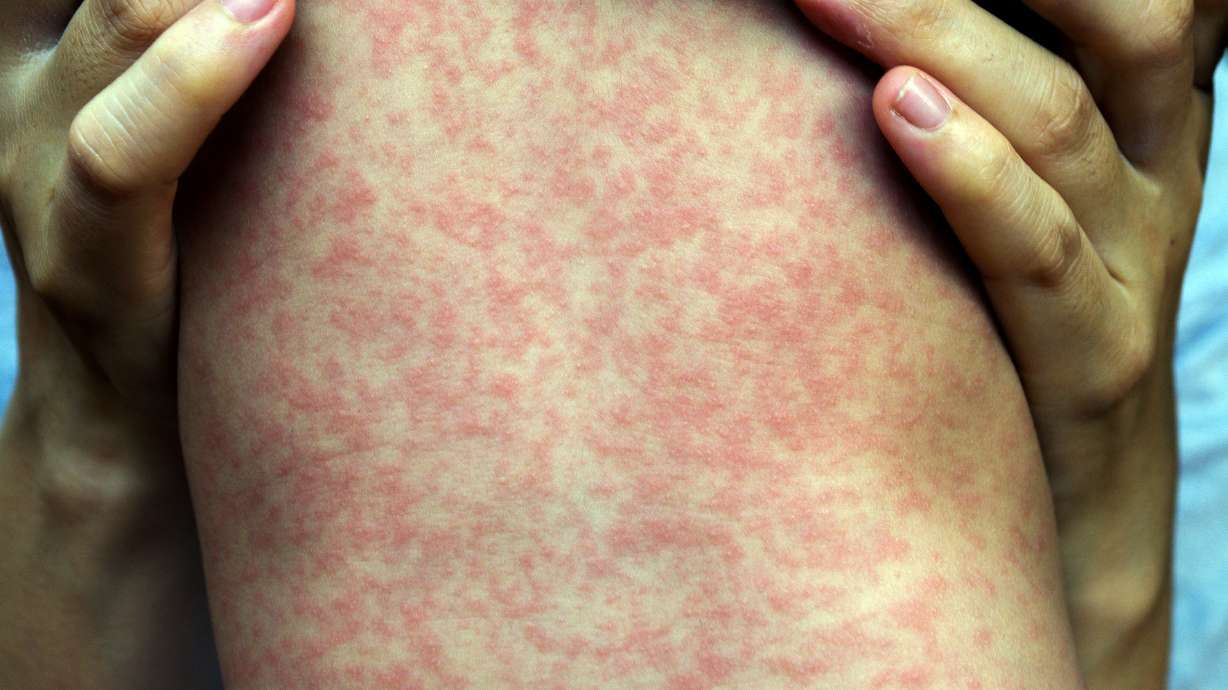
This doctor-deferred model could reshape immunization rates, sparking debates on herd immunity versus personal choice. While critics fear outbreaks of preventable diseases like measles, supporters hail it as a return to medical autonomy. As the plan nears finalization, it promises a more nuanced approach to childhood health.
About the People Mentioned
Robert F. Kennedy Jr.
Robert F. Kennedy Jr. is an American politician, environmental lawyer, and author, born on January 17, 1954, in Washington, D.C. He is the third of eleven children of Robert F. Kennedy, the U.S. Attorney General, and Ethel Skakel Kennedy. His family's political legacy includes his uncle, President John F. Kennedy. Kennedy's early life was marked by personal struggles, including drug addiction, which led to his arrest for heroin possession in 1983. However, he later redirected his life towards environmental advocacy and public service. Kennedy graduated from Harvard University in 1976 with a degree in American history and literature and later earned a law degree from the University of Virginia in 1981. He began his career as an assistant district attorney in Manhattan but soon shifted his focus to environmental law. In 1987, he received a master's degree in environmental law from Pace University, where he taught environmental law from 1986 to 2018 and co-founded the Environmental Litigation Clinic. Notably, Kennedy is the founder of the Waterkeeper Alliance, a global clean water advocacy group, and Children's Health Defense, which focuses on childhood chronic diseases and environmental exposures. He has been recognized for his environmental activism, including being named TIME Magazine's "Hero for the Planet" for his efforts in restoring the Hudson River. Kennedy has also been involved in high-profile legal cases against companies like DuPont and Monsanto. In recent years, he has been a vocal figure in vaccine skepticism and public health controversies. In the 2024 U.S. presidential election, Kennedy initially ran as an independent candidate before endorsing Donald Trump. Currently, his involvement in public life includes controversial stances on health and environmental issues. Despite these controversies, his work in environmental law and advocacy has had significant impacts on public health and environmental protection.