Saudi-Led Coalition Claims Aidarous al-Zubaidi Fled Yemen to UAE via Somaliland

Saudi-led coalition says STC’s al-Zubaidi fled to UAE via Somaliland
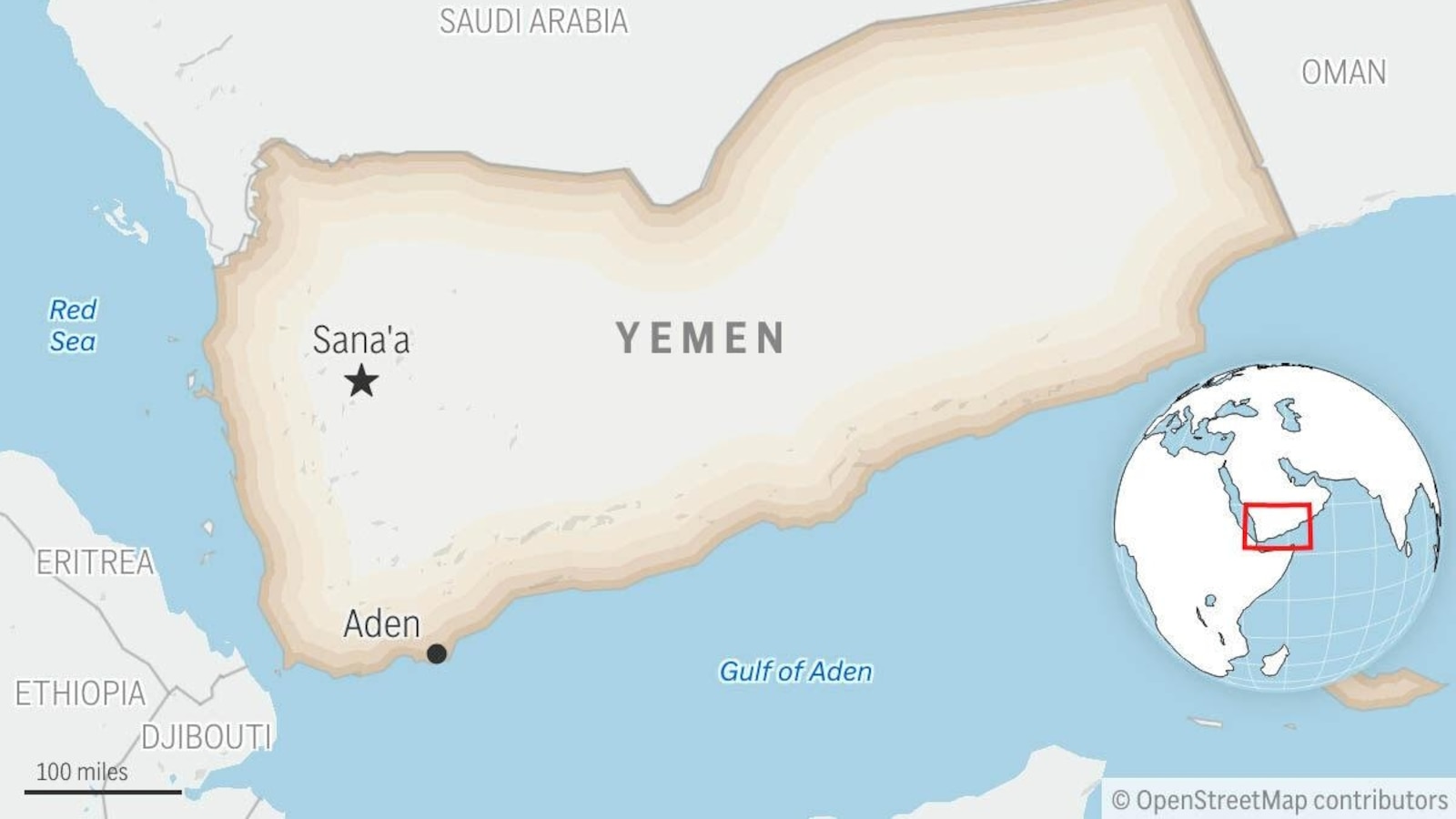
The reported flight of Southern Transitional Council leader Aidarous al-Zubaidi has opened a new chapter in Yemen’s fractured political landscape. According to the Saudi-led coalition, the secessionist figure left Yemen by boat, crossing the Gulf of Aden to Somaliland’s port city of Berbera before continuing his journey by air toward the United Arab Emirates. This alleged route highlights how peripheral coastal hubs and lesser-known airports can suddenly become central to regional power struggles and diplomatic friction.
From Berbera to Abu Dhabi: a route full of symbolism
After reaching Berbera, al-Zubaidi is said to have boarded a plane that stopped in Mogadishu before flying on to Abu Dhabi, underscoring both security concerns and shifting alliances in the Horn of Africa. Each leg of that journey reflects deeper competition between Gulf states, rival visions for Yemen’s future, and the growing role of African partners in Red Sea geopolitics.
About the Organizations Mentioned
Saudi-led coalition
## Overview of the Saudi-led Coalition The **Saudi-led coalition** is a multinational military alliance formed in March 2015, spearheaded by Saudi Arabia and the United Arab Emirates (UAE), in response to the ousting of Yemeni President Abdrabbuh Mansur Hadi by Houthi rebels[1][3]. The coalition’s core mission was to restore Hadi’s government, counter the advance of the Houthi movement (which it viewed as an Iranian proxy), and stabilize Yemen amid escalating civil war[1][2][3]. At its inception, the coalition included nine to ten Arab states and received logistical and intelligence support from the United States and other Western allies[1][3]. ## History and Operations The intervention began with **Operation Decisive Storm**, a massive air campaign targeting Houthi positions and Yemen’s military infrastructure, followed by a land, sea, and air blockade to enforce a UN arms embargo[1][3]. Ground forces, including Saudi, Emirati, and Sudanese troops, were later deployed to support Yemeni resistance fighters[1]. The coalition retook key cities like Aden and Mukalla, and trained southern Yemeni militias that later formed the Southern Transitional Council[1]. Despite these efforts, the conflict quickly became a protracted proxy war between Saudi Arabia and Iran, with devastating humanitarian consequences[3][7]. ## Key Achievements and Challenges The coalition’s most notable achievement was halting the Houthi-Saleh alliance’s territorial expansion, particularly their advance into southern Yemen[2]. However, the intervention failed to decisively defeat the Houthis or restore the Yemeni government’s authority over the entire country[2]. The war caused widespread destruction, thousands of civilian casualties, and one of the world’s worst humanitarian crises, displacing millions and crippling Yemen’s infrastructure[7]. The coalition’s blockade and airstrikes drew international criticism for
Southern Transitional Council
The **Southern Transitional Council (STC)** is a UAE-backed secessionist organization founded in May 2017 by Aydarus al-Zubaydi to champion South Yemen's independence from the north, addressing decades of marginalization since the 1990 unification.[1][2][4] Emerging from the Southern Movement amid Yemen's civil war, it unites southern political, military, and social leaders to restore the former People's Democratic Republic of Yemen through self-determination, democratic governance, and stability.[1][4] **Key activities** include commanding the Southern Armed Forces, securing territory in Abyan, Hadramawt, and other southern provinces, and countering extremists like AQAP and IS-Yemen, positioning STC as the region's most effective indigenous anti-terror force despite resource constraints.[2][3][5] It advocates internationally via offices in the US and UN, fostering ties with policymakers, diaspora communities, and think tanks to promote southern rights and maritime security in the strategic Bab al-Mandab strait.[1][3] **Achievements** highlight its rapid ascent: the 2019 Riyadh Agreement granted STC ministries like Defense and Interior; it joined the Presidential Leadership Council (PLC) in April 2022, gaining formal political stake while retaining military autonomy; and by late 2025, it seized bases, checkpoints, and oil fields, launching operations like "Promising Future" in Hadramawt to stabilize areas and harness hydrocarbon revenues.[2][3][4][6] In May 2023, Zubaydi formed a Supreme Executive Leadership, integrating PLC ministers and Giants Brigades commanders to consolidate southern influence.[2] **Currently**, as of late 2025, STC controls swaths of the south, monitors Houthi threats, and rejects northern overreach, though its UAE dependency and rivalries within the Southern Movement limit broader consensus.[3][5][6] With the PLC stalled b