Saudi-led Coalition Warns UAE-backed Southern Separatists Amid De-escalation Push
Headline Overview
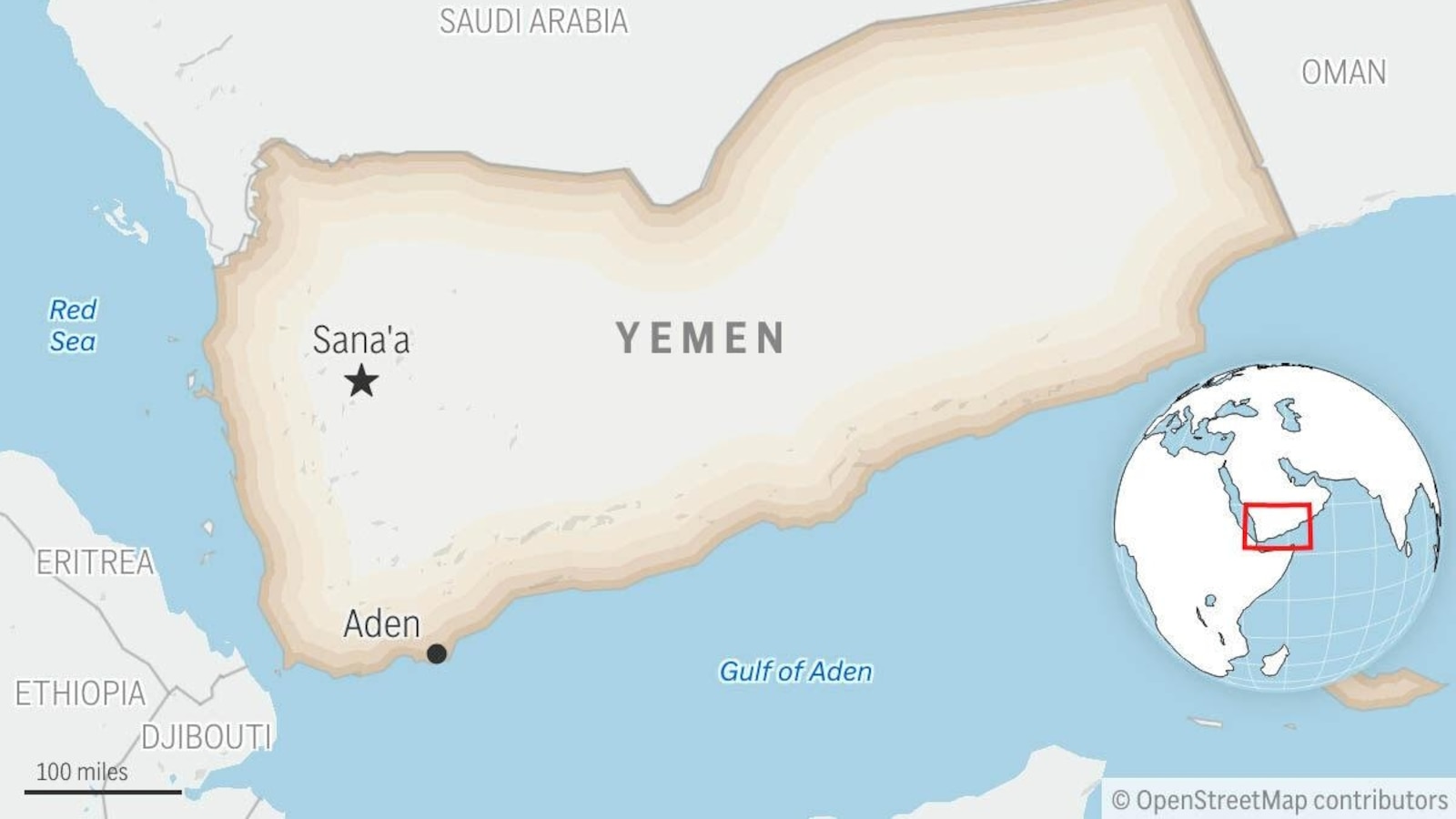
The Saudi-led coalition in Yemen warned it would take immediate action against United Arab Emirates-backed southern separatists if their military moves undermine recent de-escalation efforts, a development that raises regional tensions and draws urgent calls for diplomacy from international actors.
Context and Consequences
Analysts note the warning follows rapid territorial advances by southern forces and reports of amassed troops near the Saudi border, increasing risks of clashes between coalition-backed government forces and UAE-aligned local factions; such escalation could disrupt humanitarian access, complicate anti-Houthi operations, and prompt diplomatic pressure from partners urging restraint and negotiations to prevent a broader confrontation in the Gulf region.
Diplomatic Path Forward
Observers recommend immediate back-channel talks, confidence-building measures, and international mediation to enforce de-escalation, while stakeholders consider incentives and guarantees to dissuade unilateral military moves that would further fragment Yemen and destabilize neighboring states.
About the Organizations Mentioned
Saudi-led coalition
## Overview of the Saudi-led Coalition The **Saudi-led coalition** is a multinational military alliance formed in March 2015, spearheaded by Saudi Arabia and the United Arab Emirates (UAE), in response to the ousting of Yemeni President Abdrabbuh Mansur Hadi by Houthi rebels[1][3]. The coalition’s core mission was to restore Hadi’s government, counter the advance of the Houthi movement (which it viewed as an Iranian proxy), and stabilize Yemen amid escalating civil war[1][2][3]. At its inception, the coalition included nine to ten Arab states and received logistical and intelligence support from the United States and other Western allies[1][3]. ## History and Operations The intervention began with **Operation Decisive Storm**, a massive air campaign targeting Houthi positions and Yemen’s military infrastructure, followed by a land, sea, and air blockade to enforce a UN arms embargo[1][3]. Ground forces, including Saudi, Emirati, and Sudanese troops, were later deployed to support Yemeni resistance fighters[1]. The coalition retook key cities like Aden and Mukalla, and trained southern Yemeni militias that later formed the Southern Transitional Council[1]. Despite these efforts, the conflict quickly became a protracted proxy war between Saudi Arabia and Iran, with devastating humanitarian consequences[3][7]. ## Key Achievements and Challenges The coalition’s most notable achievement was halting the Houthi-Saleh alliance’s territorial expansion, particularly their advance into southern Yemen[2]. However, the intervention failed to decisively defeat the Houthis or restore the Yemeni government’s authority over the entire country[2]. The war caused widespread destruction, thousands of civilian casualties, and one of the world’s worst humanitarian crises, displacing millions and crippling Yemen’s infrastructure[7]. The coalition’s blockade and airstrikes drew international criticism for
United Arab Emirates
The **United Arab Emirates (UAE)** is a constitutional federation established in December 1971, comprising seven emirates: Abu Dhabi, Dubai, Sharjah, Ajman, Umm Al Quwain, Fujairah, and Ras Al Khaimah. It operates as a federal semi-constitutional monarchy where each emirate is governed by hereditary rulers known as Sheikhs, with Abu Dhabi and Dubai traditionally holding the presidency and prime ministership, respectively[3][4]. The UAE's political system centers on the **Federal Supreme Council**, composed of the seven emirate rulers, which serves as the highest legislative and executive authority, electing the president and vice president every five years[1][2][4]. The federal government consists of three branches: legislative, executive, and judicial. The legislative includes the Federal Supreme Council and the advisory Federal National Council (FNC), a 40-member body that reviews proposed laws and has seen increasing political participation, including a 50% female representation as of 2019 elections[1][2]. The executive branch is headed by the president, who is also commander-in-chief of the armed forces, the prime minister, and the Council of Ministers (Cabinet), responsible for federal policy implementation across all government sectors[1][2][3]. The judiciary is led by the Supreme Court and federal courts. Historically, the UAE has developed rapidly from a federation of tribal sheikhdoms into a modern state with significant achievements in economic diversification, infrastructure, and technology. The federation's wealth, primarily from oil and gas resources, has been reinvested into sectors like finance, real estate, renewable energy, and technology innovation hubs, making it a leading regional business and technology center[3][7]. The government actively promotes political stability, social justice, and equal rights for its citizens, ensuring a measured expansion of political participation while maintaining firm central control[4][5]. Notably, the UAE is recognized for its visionary leadershi