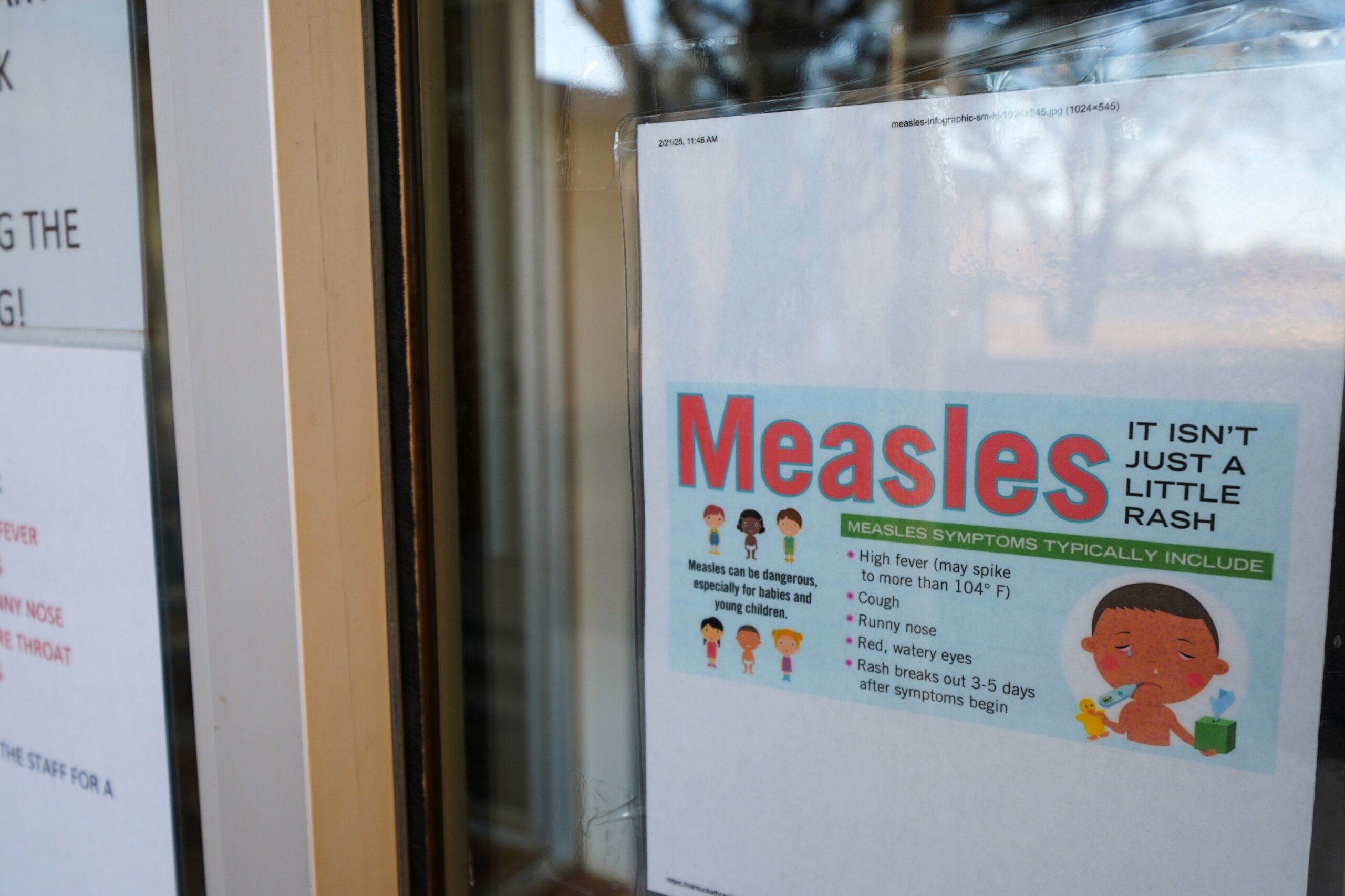
US Measles Cases Surge Past 1,100 in Early 2026

US Measles Cases Surge Past 1,100 in Early 2026
The United States has surpassed 1,100 confirmed measles cases just weeks into 2026, reaching 1,136 as of late February, according to CDC data. This rapid escalation, spanning 28 states like South Carolina, Texas, and Utah, signals a troubling public health crisis, with 90% of cases tied to ongoing outbreaks from late 2025.[1][5]
Why Cases Are Spiking and Who Is at Risk
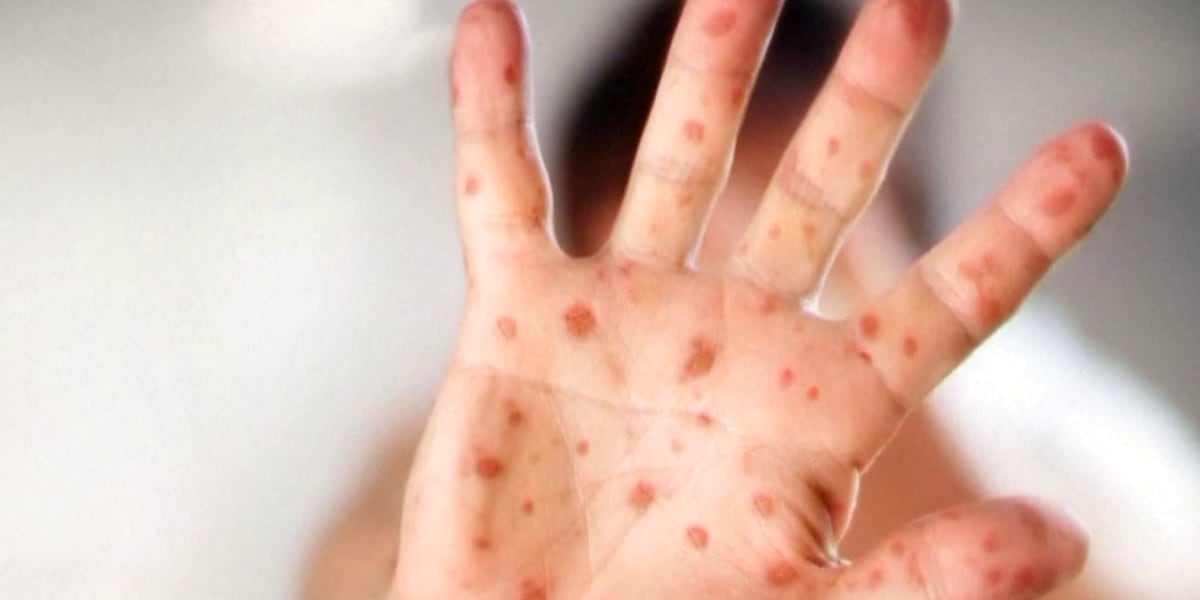
Primarily affecting the unvaccinated—92% of patients lack full immunization—measles hits children hardest, with 24% under age 5 and 57% aged 5-19.[1] States like South Carolina report 979 cases and 653 hospitalizations, while Texas logs 818 cases and 15 deaths, underscoring the virus's severity despite modern medicine.[5] International travelers contribute minimally, but low vaccination rates fuel community spread.[1][4]
Bracing for Worse: Deaths and Prevention Ahead
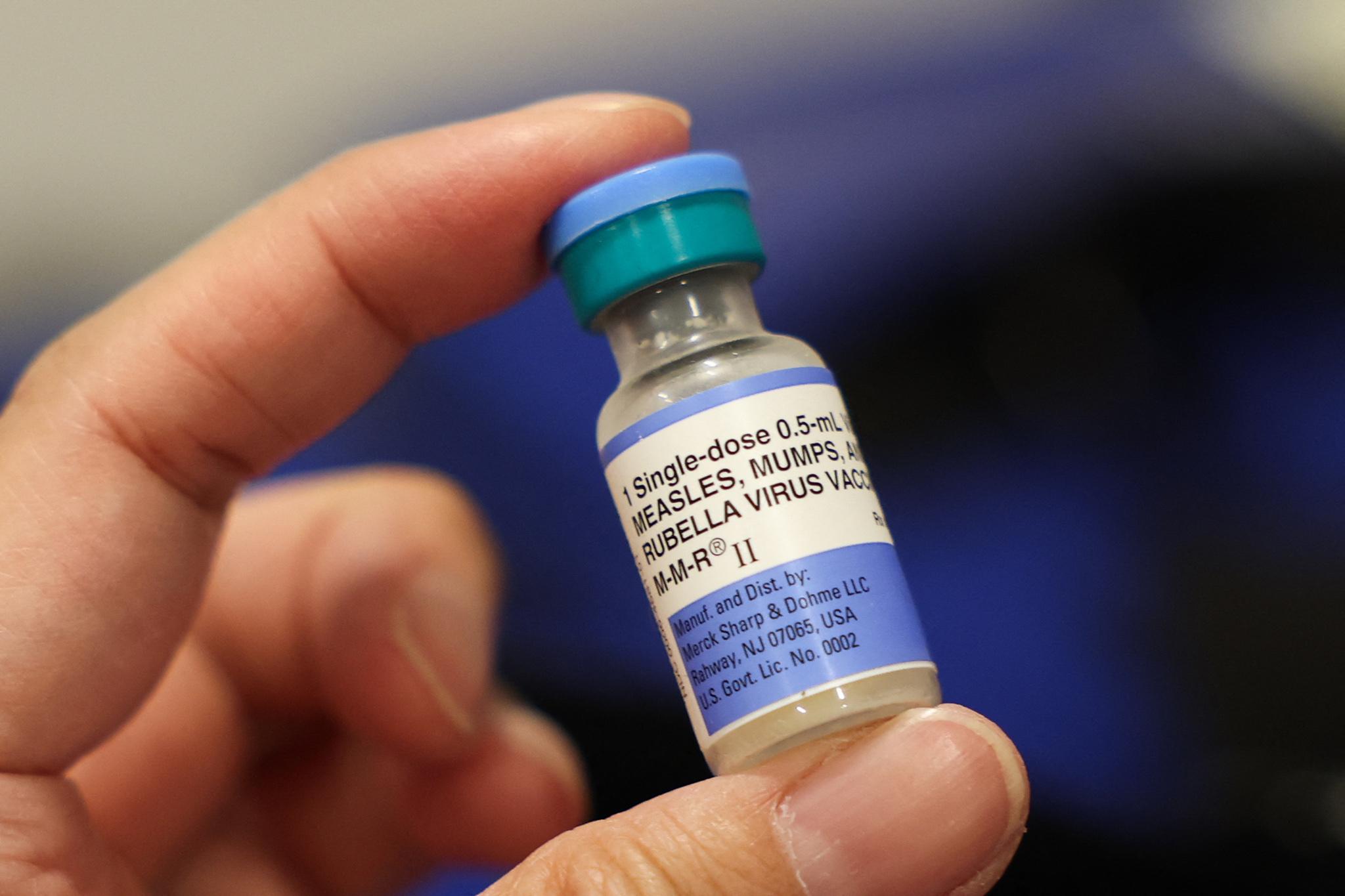
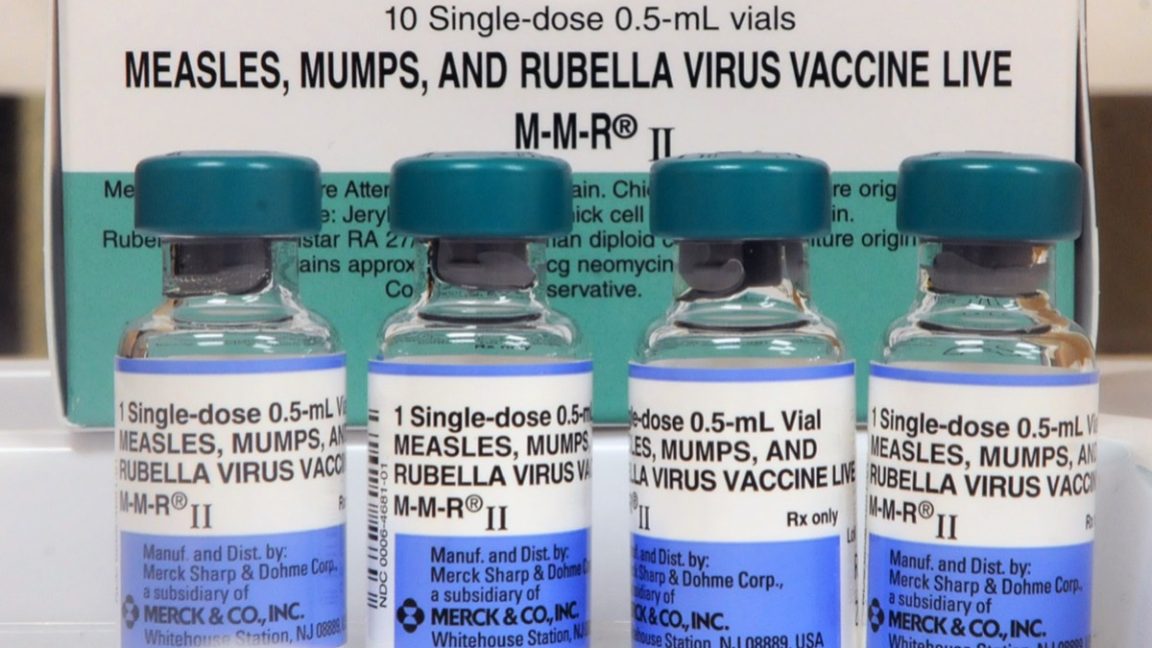
After 2,281 cases in 2025—the highest since 1991—experts warn of mounting fatalities without urgent action.[1][2] Two-dose MMR vaccines offer 97% protection, yet hesitancy persists.[4] Public health leaders urge vaccination drives to avert tragedy, as measles remains deadly for vulnerable groups.[2]
About the Organizations Mentioned
CDC
The **Centers for Disease Control and Prevention (CDC)** is the premier national public health agency of the United States, operating under the Department of Health and Human Services and headquartered in Atlanta, Georgia. Its primary mission is to protect public health and safety through disease control, injury prevention, and health promotion both nationally and globally[1][8]. Established in 1946 initially as a single "Center for Disease Control," the agency expanded and reorganized in 1980 into multiple specialized centers, reflecting a broader focus beyond infectious diseases to include environmental health, chronic disease, occupational safety, and health education[7]. The CDC comprises various centers and institutes, such as the National Center for Immunization and Respiratory Diseases, the National Center for Chronic Disease Prevention and Health Promotion, and the National Institute for Occupational Safety and Health (NIOSH), among others. These centers enable the CDC to address a wide array of public health challenges through research, surveillance, policy development, and education[2]. It also plays a key role in emergency preparedness and response, demonstrated notably during the COVID-19 pandemic, where its guidance shaped public health actions despite complex political and social dynamics[8]. Key achievements include pioneering epidemiological research, controlling outbreaks of infectious diseases, advancing vaccine safety and immunization programs, and addressing emerging health threats such as obesity and diabetes. The CDC is recognized for disseminating authoritative health information, including the widely cited Morbidity and Mortality Weekly Report (MMWR), and for its global collaborations with health organizations worldwide[1][3][8]. Currently, the CDC is undergoing organizational adjustments to focus more intensively on infectious diseases, as part of the 2025 Department of Health and Human Services reorganization. This includes absorbing the Administration for Strategic Preparedness and Response while shifting some functions like occupational safety to new entities[1]. The agency’s comprehensive approach, backed by science and government funding, positions it as a critical leader in public health innovation, disease prevention, and health security i