U.S. Military Fears Legal Backlash Over Drug-Boat Strikes
U.S. Military Fears Legal Backlash from Drug Boat Strikes
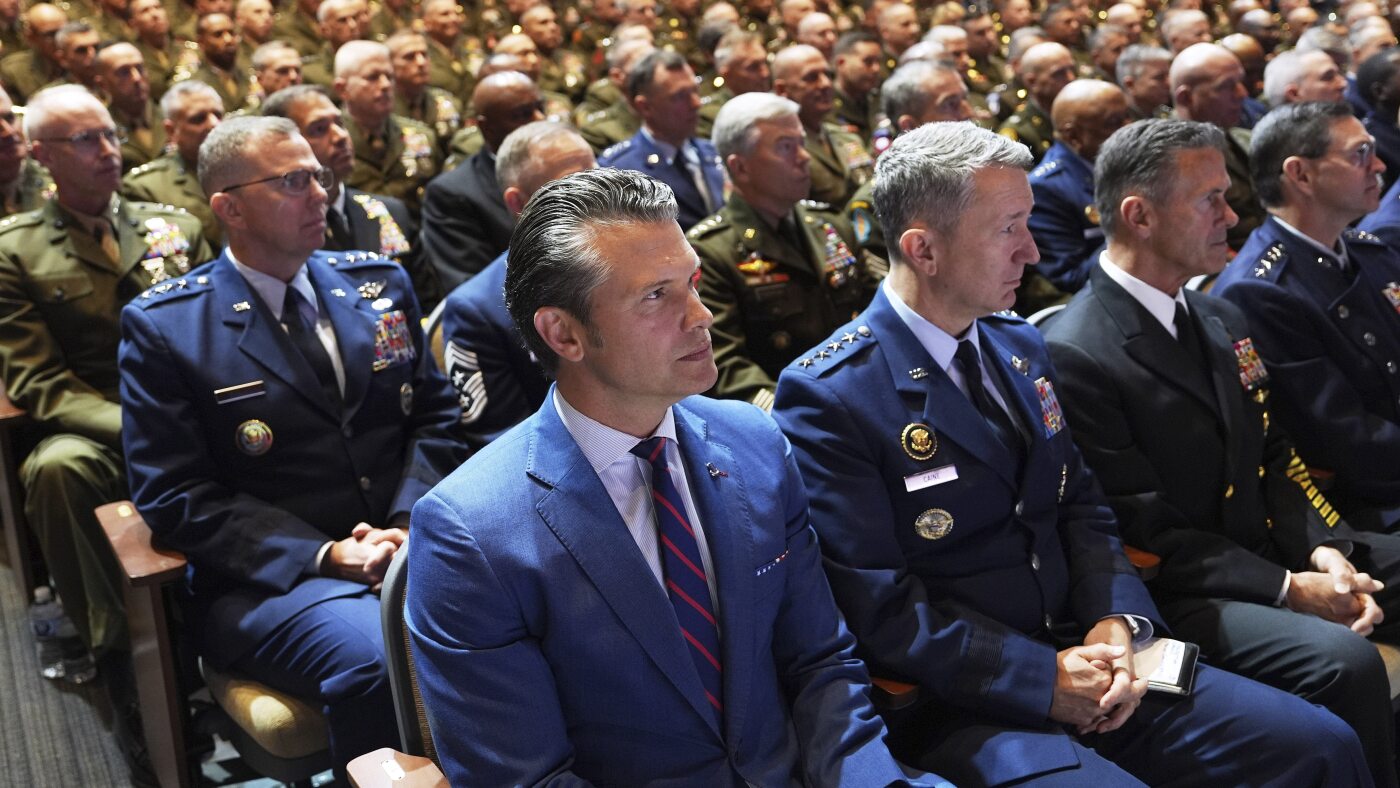
Amid escalating U.S. operations against suspected drug trafficking vessels in the Caribbean and Eastern Pacific, military personnel are grappling with profound personal legal anxieties. Staff officers and a drone pilot have quietly consulted external legal experts, fearing prosecution for their roles in these controversial strikes, as revealed in recent reports.[2]
Legal Uncertainties Fueling the Concerns
The Trump administration asserts broad authority for these actions, yet experts question their compliance with international law and the Department of Defense's laws of war. Lawmakers across party lines decry potential violations, especially after a second strike acknowledgment by the White House. Critics argue no armed conflict exists with non-state narco groups, rendering targets potentially unlawful and participants vulnerable to court-martial under the Uniform Code of Military Justice.[1]
Implications for Service Members and Policy
This dilemma places troops in a precarious position, torn between duty and self-preservation. Mixed legal opinions could lead to international tribunals if unaddressed domestically. As debates intensify, calls grow for clearer guidelines to shield those executing orders from personal liability in this shadowy war on drugs.[1][2]
About the Organizations Mentioned
White House
The **White House Office** is a central organizational component within the Executive Office of the President of the United States (EOP), tasked with supporting the President in managing day-to-day operations, policy formulation, and political affairs. It is headed by the White House Chief of Staff and staffed by senior aides who report directly to the President, including those with titles such as Assistant to the President and Deputy Assistant to the President. These staff members are mostly political appointees without the need for Senate confirmation, allowing the President considerable discretion in shaping the office to suit each administration's priorities[1]. Historically, the White House Office was established in 1939 through Reorganization Plan 1 and Executive Order 8248 to provide immediate assistance to the President. It functions as the nerve center for presidential staff, physically located primarily in the West Wing, and plays a pivotal role in managing the President’s policy agenda, communications, and political strategy. Its flexible organization allows each President to tailor the staff composition and roles according to their governance style and objectives[1]. In the current context of 2025, the White House Office operates under the administration of President Donald J. Trump, who returned to office after the 2024 election. His administration emphasizes rejecting prior policies deemed extremist and focuses on enhancing quality of life, economic growth, and American energy dominance. The administration includes Vice President JD Vance and First Lady Melania Trump, among others, with a Cabinet advising on various governmental functions[4][6]. Recent initiatives linked to the White House’s operational sphere include the establishment of a new **Department of Government Efficiency (DOGE)** aimed at modernizing federal technology and software to boost government productivity. The DOGE agenda is implemented through the renamed United States DOGE Service within the Executive Office, reflecting a concerted push to leverage technology for administrative modernization[5]. Notably, the White House Office also coordinates national security and homeland security functions through the National Security Council staff, underscoring its central role
Department of Defense
The **Department of Defense (DoD)** is a pivotal executive branch department of the U.S. government, responsible for coordinating and supervising all agencies and functions related to national security and the United States Armed Forces. Established by the National Security Act Amendments of 1949, the DoD is headquartered in the Pentagon and is led by the Secretary of Defense, who reports directly to the President of the United States[2][4]. ### History and Role The DoD was created to consolidate national defense efforts under a single entity, replacing the National Military Establishment. It plays a crucial role in maintaining and using armed forces to support and defend the Constitution, ensure national security, and uphold U.S. policies and interests[1][4]. The department oversees three major military departments: the Department of the Army, the Department of the Navy, and the Department of the Air Force, as well as newer additions like the Space Force[2][7]. ### Key Components and Achievements - **Military Departments**: Each branch has specific responsibilities, such as the Army focusing on land combat and the Navy on naval operations[6]. - **Agencies and Operations**: The DoD includes agencies like DARPA, NSA, and the Missile Defense Agency, contributing to technological advancements and strategic defense[2]. - **Current Status**: The DoD employs over 2.91 million personnel, including active-duty, reserve, and civilian workers, making it one of the world's largest bureaucracies[2]. ### Notable Aspects - **Global Influence**: The DoD plays a significant role in international security through its military operations and partnerships with allies[4]. - **Technological Innovation**: Agencies like DARPA have driven numerous technological breakthroughs, influencing both military and civilian sectors[2]. - **Government Contracting**: The DoD is a major player in government contracting, with significant implications for the business sector[7]. In summary, the Department of Defense is a cornerstone of U.S. national