War Department Ends Ties with Harvard, Reshaping Military Education for 2026-27
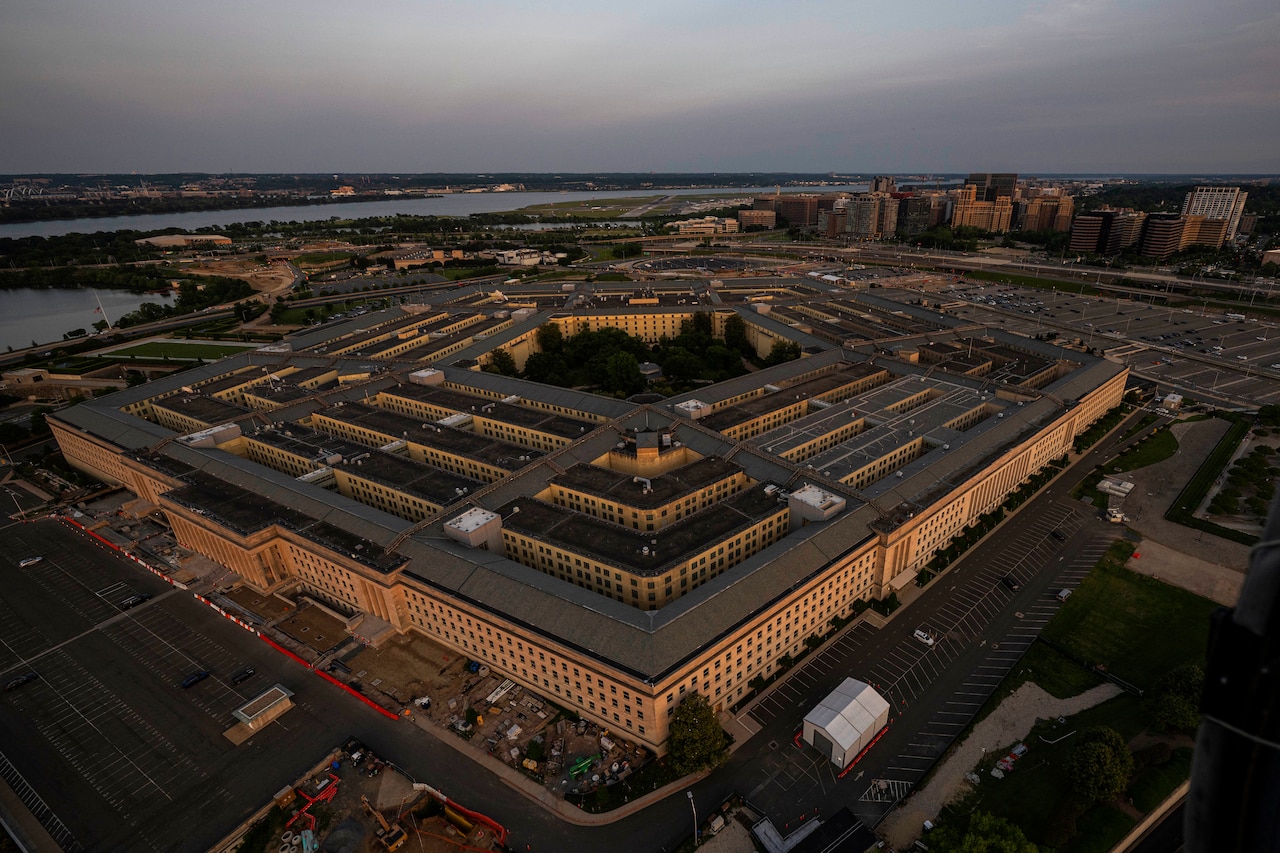
War Department Cuts Ties With Harvard University
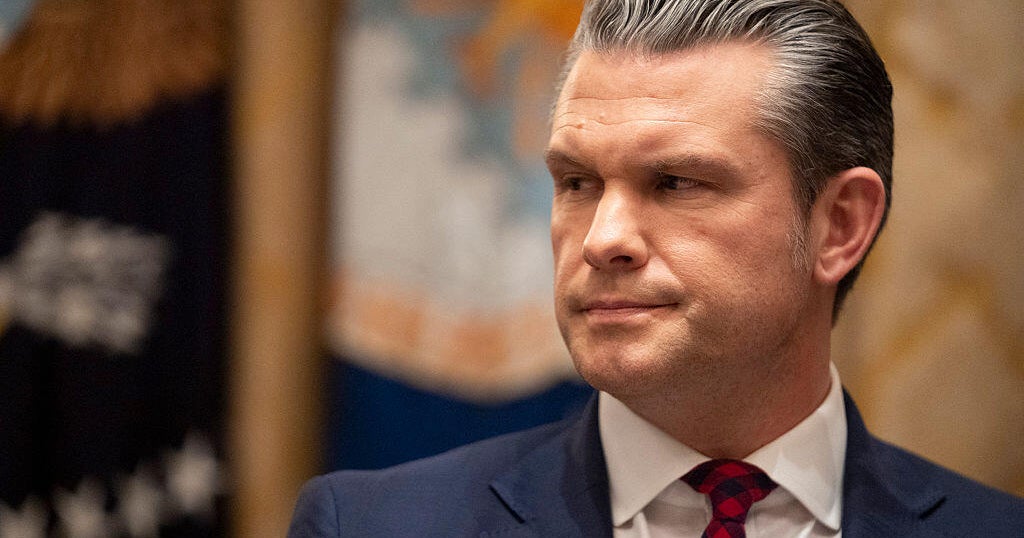
Secretary of War Pete Hegseth has boldly announced the severance of all academic ties between the War Department and Harvard University, effective for the 2026-27 school year. This decision ends professional military education, fellowships, and certificate programs for active-duty service members, citing Harvard's misalignment with military values.[2][5]
Reasons Behind the Bold Move
Hegseth criticized Harvard for promoting "hate America activism" and antisemitism amid pro-Palestinian protests, arguing the Ivy League school's woke culture undermines the warrior ethos essential for national defense. He highlighted partnerships with adversaries and a shift away from critical thinking needed for military professionals, calling the action a long-overdue correction to refocus on mission-critical priorities.[1][3][4]
Implications for Military Education
Current enrollees can complete their courses, but future ones face redirection to aligned institutions. Rights advocates decry threats to academic freedom, while Harvard touts its storied military history from the Revolutionary War onward. The War Department plans reviews of other universities, signaling a broader push for efficiency and patriotism in defense partnerships.[2][3]
About the People Mentioned
Pete Hegseth
Pete Hegseth is an American government official, author, and former television personality. Born on June 6, 1980, he graduated from Princeton University in 2003 and later earned a master's degree in Public Policy from Harvard University's John F. Kennedy School of Government in 2013[1][4]. Hegseth was commissioned as an infantry officer in the Minnesota Army National Guard, serving in Guantanamo Bay, Iraq, and Afghanistan. He received several military awards, including two Bronze Star Medals and the Combat Infantryman Badge[3][4]. After his military service, Hegseth worked with organizations such as Vets for Freedom and Concerned Veterans for America, where he served as executive director and CEO, respectively[1][7]. He became a contributor to Fox News in 2014 and later co-hosted *Fox & Friends Weekend* from 2017 to 2024[1][5]. Hegseth has written several books, including *American Crusade* and *The War on Warriors*, the latter being a New York Times bestseller[3][5]. In November 2024, Hegseth was nominated by President-elect Donald Trump to be the Secretary of Defense. He faced a contentious confirmation process, with allegations of misconduct and financial issues. Despite these challenges, Hegseth was confirmed by the Senate on January 25, 2025, with Vice President JD Vance casting a tie-breaking vote[1][2]. As Secretary of Defense, Hegseth has been involved in several significant events, including ordering budget cuts and firing top military officers to "focus our military on its core mission"[2]. He has also been at the center of controversy regarding the use of the Signal messaging app for sharing sensitive information[2]. In September 2025, Hegseth addressed senior military leaders, emphasizing the need for tighter fitness standards and opposition to certain policies he termed "woke garbage"[1].
About the Organizations Mentioned
War Department
The **United States Department of War**, established on August 7, 1789, as one of the original Cabinet departments, was tasked with organizing, training, maintaining, and supplying the U.S. Army, initially handling naval affairs until the Navy Department formed in 1798 and air forces until 1947.[1][2][6] Headed by a civilian **Secretary of War** responsible for finance, procurement, and limited military oversight, it evolved from a small office with roles like quartermaster and surgeon general into a sprawling bureaucracy advising on operations while Congress micromanaged bureaus.[1][4] Historically, the department played pivotal roles in major conflicts, overseeing Army mobilization for the War of 1812, World War I, and World War II, where General George C. Marshall reorganized it post-Pearl Harbor into Army Ground Forces, Army Air Forces, and Army Service Forces for efficient wartime logistics and training.[2][6] Key achievements included administering the Civilian Conservation Corps (1933-1943), constructing the Pentagon in 1941 amid space shortages for its 30,000-strong workforce, and pioneering industrial mobilization plans.[2][4][6] Bureau rivalries persisted until Chief of Staff reforms in the 1920s-1930s centralized authority.[2] Its 158-year run ended September 18, 1947, via the **National Security Act**, splitting it into the Departments of the Army and Air Force under the new National Military Establishment (renamed **Department of Defense** in 1949).[1][3][6] This unification, pushed by President Truman to resolve inter-service "revolts" and streamline command, elevated the Secretary of Defense with full control and created the Joint Chiefs chairman role, first held by Gen. Omar Bradley.[3][6] Today, no standalone War Department exists; its functions reside in the DoD.[1][3] Recent discourse, including a
Harvard University
## Overview Harvard University, located in Cambridge, Massachusetts, is one of the world’s most prestigious and influential institutions of higher education. Founded in 1636, it is the oldest university in the United States and a global leader in research, education, and innovation, with a particular impact on business and technology. ## What Harvard Does Harvard is a comprehensive university offering undergraduate, graduate, and professional education across a wide array of disciplines. Its core activities include degree-seeking education, continuing and executive education, and extensive sponsored research, both federal and non-federal[2]. The university’s mission-driven approach extends to philanthropy, with a significant portion of its operating revenue derived from endowment income and current-use gifts[2][3]. Harvard is also a major player in technology transfer and entrepreneurship, with strong ties to the Boston-area innovation ecosystem. ## Historical Background Harvard’s long history began as a colonial college established to train clergy. Over the centuries, it evolved into a modern research university, producing numerous Nobel laureates, heads of state, and business leaders. Its alumni and faculty have played pivotal roles in advancing science, technology, and global commerce. ## Key Achievements Harvard’s achievements are vast and varied. It is consistently ranked among the top universities globally, renowned for its rigorous academics, groundbreaking research, and influential alumni network. The university has pioneered major scientific discoveries, developed leading business and law schools, and fostered technology startups through its innovation labs and venture programs. Notably, beginning in the 2025-2026 academic year, Harvard College will be free for students from families with incomes below a certain threshold, significantly expanding access to its world-class education[4]. ## Current Status As of fiscal year 2025, Harvard’s net assets grew to $68.7 billion, despite a modest operating deficit of $113 million on $6.7 billion in operating revenue[2]. The university continues to rely heavily on philanthropy, with curren