Artemis 2 SLS Wet Dress Rehearsal: Key Highlights and March 2026 Launch Outlook
Artemis 2 SLS Wet Dress Rehearsal: Key Highlights from NASA's Latest Test
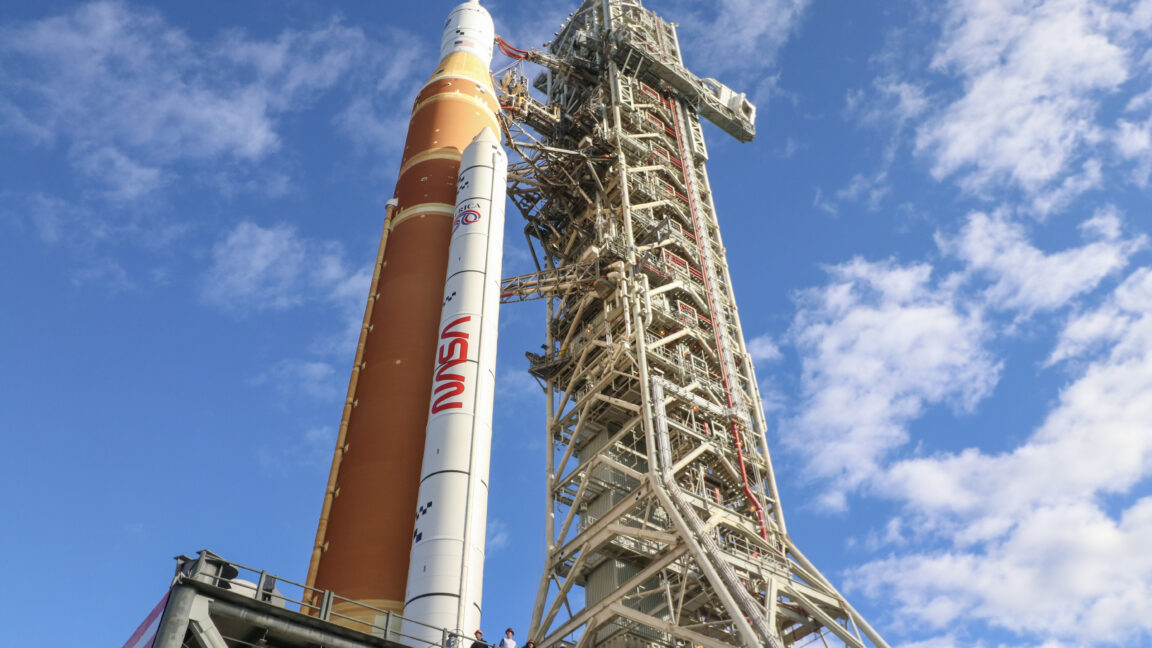
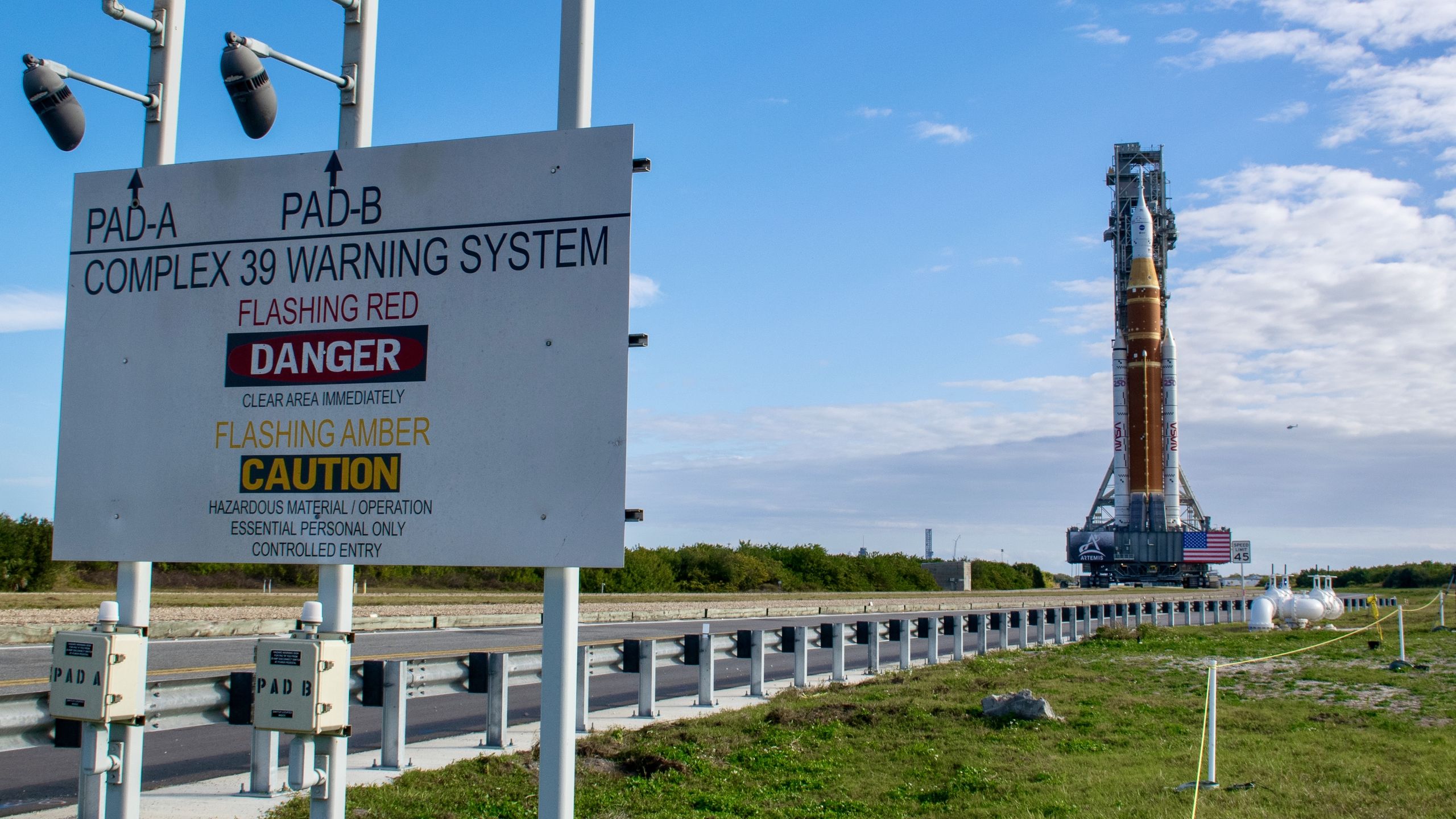
NASA's critical wet dress rehearsal for the Artemis 2 Space Launch System rocket concluded early on February 3, 2026, after a liquid hydrogen leak at the tail service mast umbilical halted the countdown at T-5:15 minutes. Despite challenges like prior leaks and cold weather delays at Kennedy Space Center, teams successfully loaded cryogenic propellants into both stages, transitioned to replenish mode, and safely drained the tanks. This prelaunch dress rehearsal simulates fueling procedures to uncover issues before the crewed lunar flyby mission.[1][3][4]
Challenges and Timeline Shifts
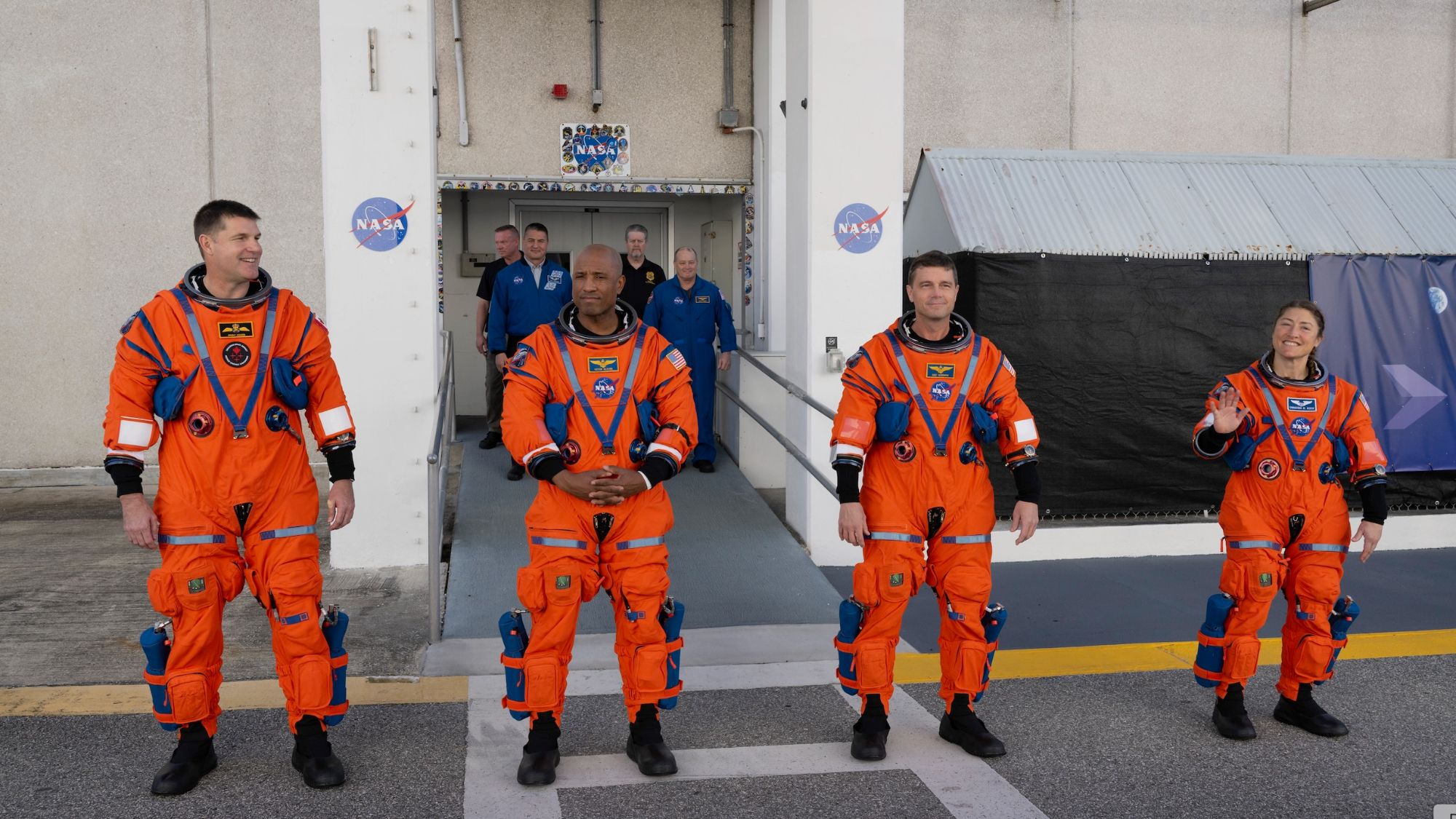
The test, which began January 31 with a simulated launch window on February 2, faced hydrogen concentration issues and communication glitches, prompting NASA to wave off February launch opportunities. Officials now target March 2026 for liftoff, with five windows available, allowing time for data review and potential fixes. Astronauts have exited quarantine as preparations advance toward this historic first crewed Artemis flight around the Moon in over 50 years.[2][8]
Upcoming NASA Update and Mission Outlook
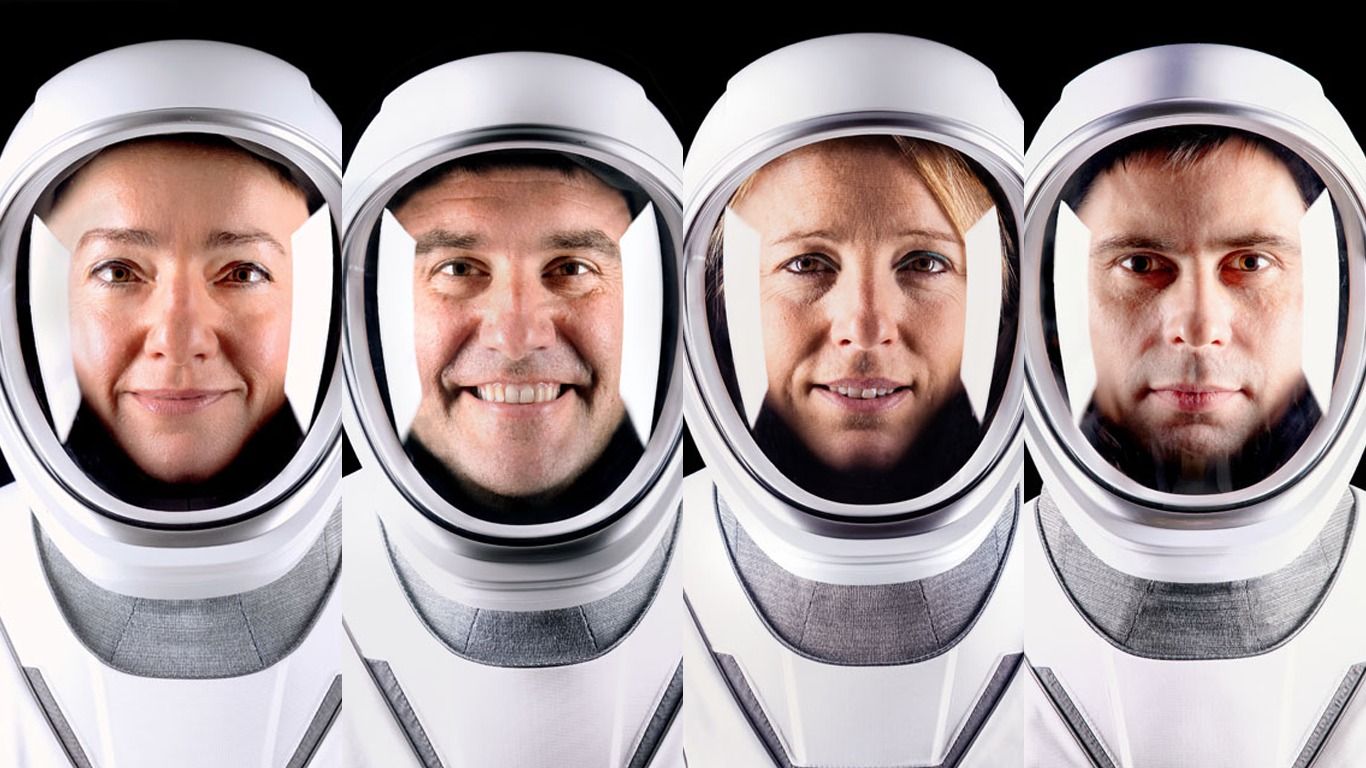
Agency leaders will share early results during a February 3 news conference at 1 p.m. EST, detailing progress on the 700,000-gallon propellant load and next steps. This rehearsal bolsters confidence for Artemis 2's four-astronaut crew, paving the way for sustainable lunar exploration and future Mars ambitions.[5][10]
About the Organizations Mentioned
NASA
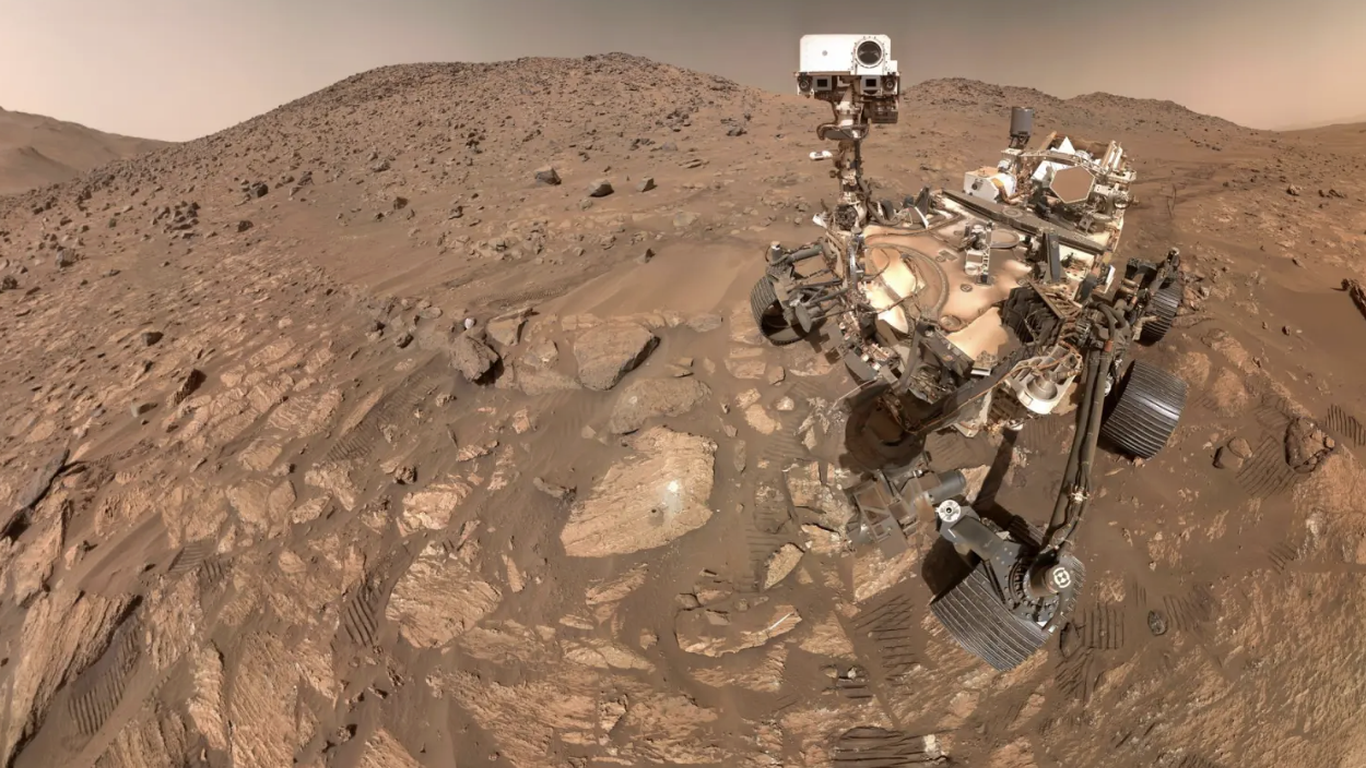
The National Aeronautics and Space Administration (NASA) is the United States’ premier civil space agency, responsible for the nation’s civilian space program, aeronautics research, and aerospace technology development[1][2]. Headquartered in Washington, D.C., NASA operates ten major field centers across the country and employs nearly 18,000 civil servants, supported by an extensive network of contractors, academic institutions, and international partners[1][2]. Since its establishment in 1958, NASA has revolutionized humanity’s understanding of the cosmos, pioneered technological advancements, and shaped global space policy. ## History and Key Achievements NASA was created in response to the Soviet Union’s 1957 launch of Sputnik, with the goal of ensuring U.S. leadership in space exploration. It succeeded the National Advisory Committee for Aeronautics (NACA) and quickly became the driving force behind iconic programs such as Project Mercury (America’s first human spaceflight program), Project Gemini (which developed techniques for space rendezvous and extravehicular activity), and the Apollo program, which landed astronauts on the Moon between 1969 and 1972[1]. The agency also developed the Space Shuttle, the world’s first reusable spacecraft, and built the International Space Station (ISS), a symbol of international collaboration and scientific research[1][5]. NASA’s robotic exploration has been equally transformative, with over 1,000 uncrewed missions investigating Earth, the Moon, Mars, and beyond. The agency’s fleet of observatories—including the Hubble Space Telescope and the James Webb Space Telescope—has provided unprecedented views of the universe, from the birth of stars to the detection of exoplanets[1]. The Perseverance rover is currently searching for signs of ancient life on Mars, while New Horizons explored Pluto and the outer solar system[1]. ## Current Status and Notable Aspects Today, NASA is advancing the Artemis program, aiming to return human
Kennedy Space Center
**Kennedy Space Center (KSC)** is NASA's primary launch site for human spaceflight, research, and technology development, spanning over 144 square miles on Merritt Island, Florida.[3][4] Established to support ambitious lunar goals, it processes, assembles, and launches spacecraft while driving technological innovation and commercial partnerships.[1][2] KSC's origins trace to 1961, when President John F. Kennedy pledged a crewed Moon landing by 1970, prompting NASA to acquire land north of Cape Canaveral.[1][3][4] On July 1, 1962, NASA activated the Launch Operations Center (LOC) on Merritt Island, independent from Marshall Space Flight Center, under director Kurt Debus.[1][2] Following Kennedy's assassination, President Lyndon Johnson renamed it John F. Kennedy Space Center on November 29, 1963.[1][3] Iconic infrastructure followed: the 525-foot Vehicle Assembly Building (VAB) construction began in 1963, Launch Complex 39 opened by 1967, and the Operations and Checkout Building in 1964.[1][2] Key achievements define KSC's legacy. It hosted 13 Saturn V launches, including Apollo 11's 1969 Moon landing by Neil Armstrong and Buzz Aldrin, Apollo 8's first crewed lunar orbit, and Skylab's 1973 deployment.[4][5] The site adapted for 135 Space Shuttle missions from 1981 to 2011, advancing reusable rocketry.[2][4] Tragically, it witnessed the 1967 Apollo 1 fire, killing Gus Grissom, Ed White, and Roger Chaffee.[1] Today, KSC thrives in the commercial era. SpaceX's 2014 lease enabled Falcon 9 launches from Pad 39A, starting with a 2017 debut, blending public-private tech synergies.[4] NASA launched uncrewe