Claudette Colvin: The Unsung Pioneer of Civil Rights
Claudette Colvin: The Unsung Pioneer of Civil Rights
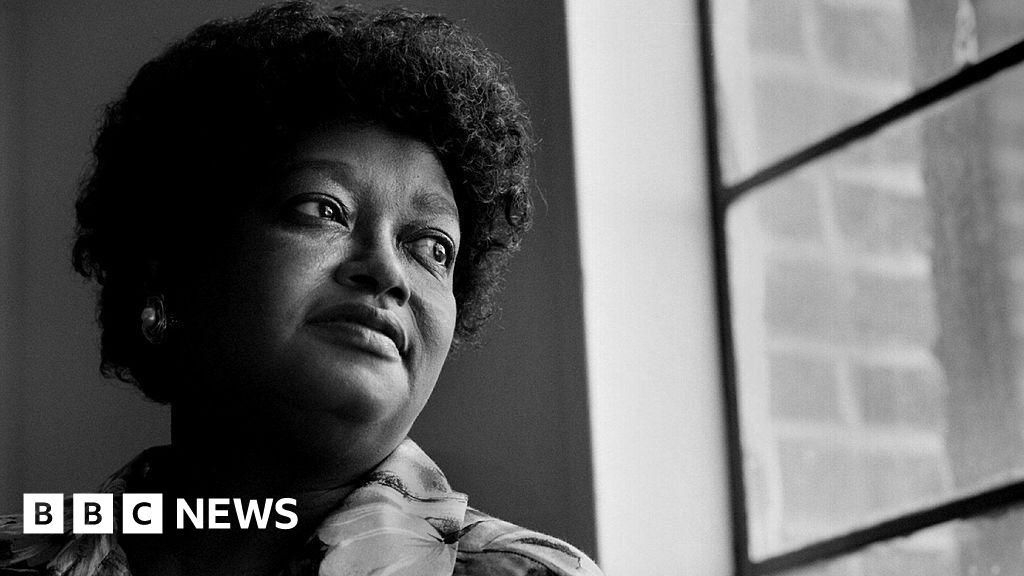
Civil rights trailblazer Claudette Colvin passed away at 86, leaving a legacy that predates the iconic Rosa Parks moment. Born in 1939 in Birmingham, Alabama, the 15-year-old student ignited change on March 2, 1955, in Montgomery by refusing to surrender her bus seat to a white passenger, boldly declaring her constitutional rights after paying her fare[2][5].
A Courageous Stand and Harsh Backlash
Handcuffed and dragged off the bus, Colvin faced charges of disturbing the peace, violating segregation laws, and assaulting officers. Feeling the spiritual push of Sojourner Truth and Harriet Tubman, she sat glued to her seat amid terror of retaliation. Convicted and placed on probation, she endured public scorn as a troublemaker, forcing her to drop out of college and struggle for employment[1][3][4].
Legal Victory and Lasting Impact
Undeterred, Colvin became a key plaintiff in Browder v. Gayle, the 1956 Supreme Court case that declared Montgomery's bus segregation unconstitutional under the Fourteenth Amendment. Her spark fueled the movement, proving young voices could dismantle Jim Crow injustices long before the famous boycott[2][5].
About the Organizations Mentioned
Supreme Court
The **Supreme Court of the United States**, commonly referred to as SCOTUS, is the highest court in the U.S. federal judiciary. Established by Article III of the U.S. Constitution, it plays a pivotal role in interpreting the Constitution and federal laws, ensuring their alignment with the founding document. ## Organization and History Founded in 1789, the Supreme Court initially consisted of a Chief Justice and five Associate Justices. Over time, the number of justices has fluctuated, settling at nine in 1869[4]. The Court's primary function is to adjudicate cases involving federal law and the Constitution, with the power to review and overturn decisions from lower courts[1][6]. It also has original jurisdiction in cases involving ambassadors, consuls, and disputes between states[1]. ## Key Achievements One of the Supreme Court's most significant achievements is the establishment of judicial review through the landmark case **Marbury v. Madison** in 1803. This decision allowed the Court to invalidate laws deemed unconstitutional, setting a precedent for its role in checking the legislative and executive branches[1][2]. ## Current Status Today, the Supreme Court continues to play a crucial role in shaping U.S. law and policy. It meets annually from October to June or July, reviewing thousands of petitions and deciding around 80 cases each year[1][2]. The Court's decisions often have profound impacts on business and technology, influencing regulatory environments and legal frameworks. ## Notable Aspects - **Independence**: Justices are appointed for life, ensuring the Court's independence from political pressures. - **Influence on Business and Technology**: Supreme Court rulings can significantly impact business practices and technological innovation by clarifying legal standards and regulatory frameworks. - **Symbolism**: The Court is symbolically important, with its motto "Equal Justice Under Law" reflecting its commitment to fairness and impartiality[3].