Japan PM Pushes for More Women's Restrooms in Parliament
Japan's PM Champions More Women's Toilets in Parliament
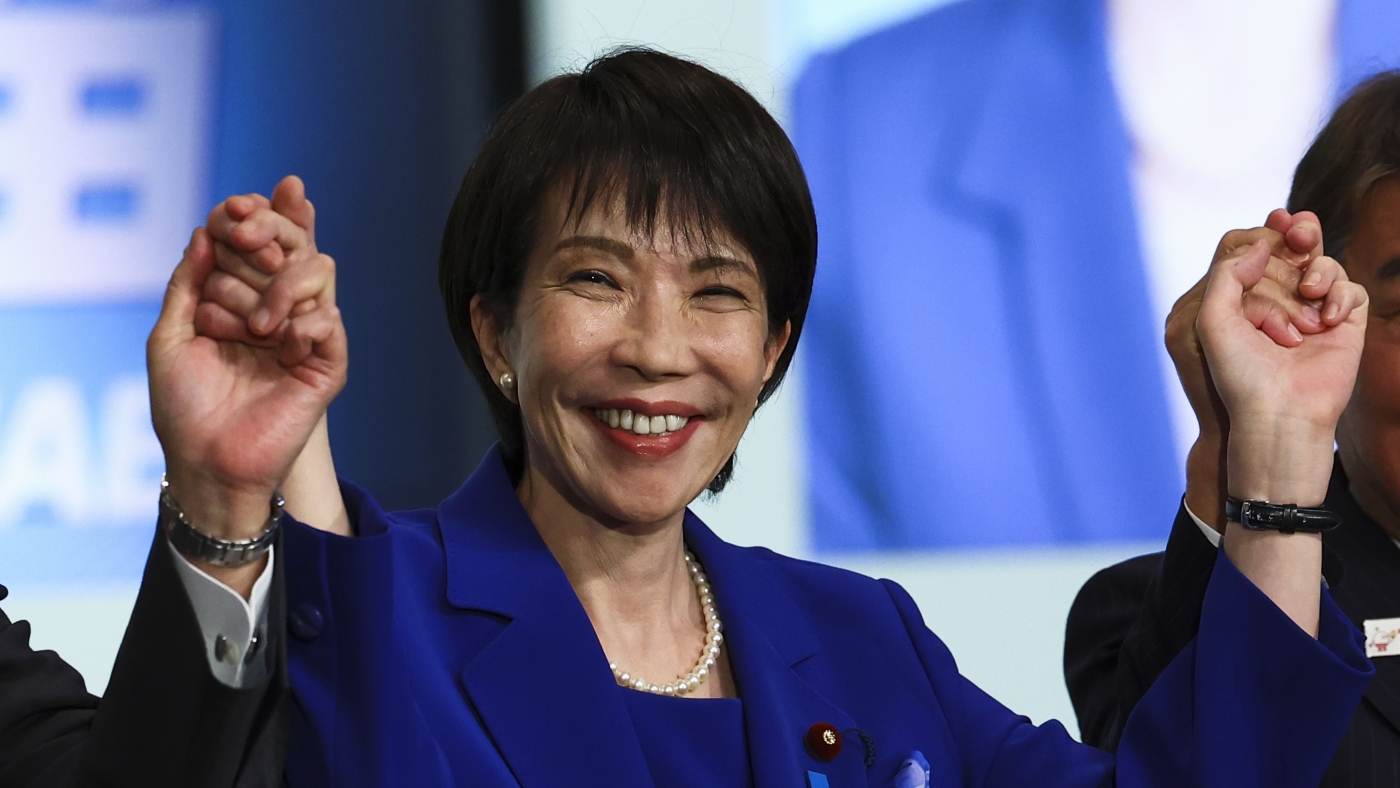
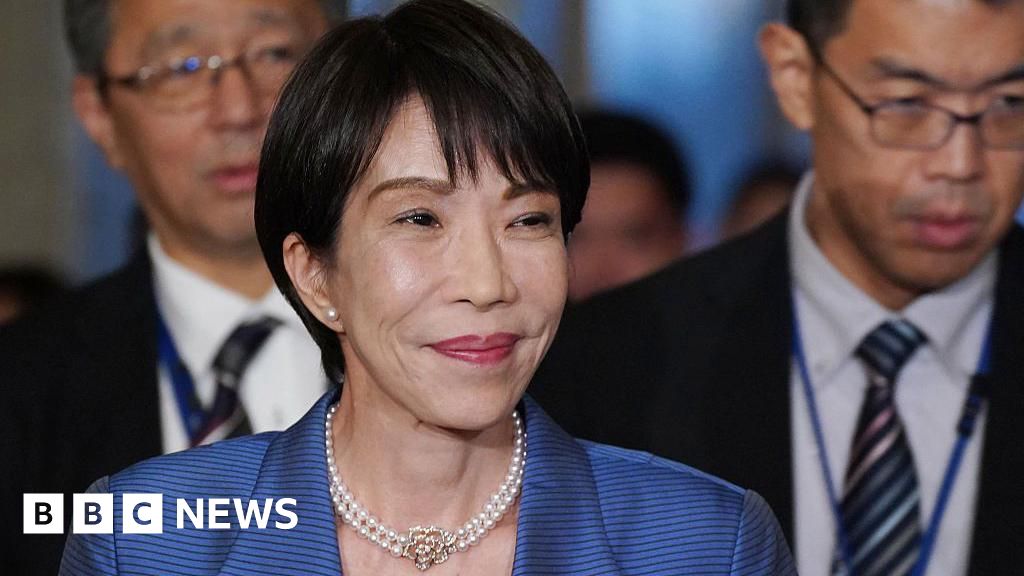
Japan's Prime Minister Sanae Takaichi has united with nearly 60 female lawmakers across parties to demand expanded restroom facilities in the National Diet building. Built in 1936, a decade before women gained voting rights in 1945, the parliament reflects an era of male dominance. Today, with 73 women in the House of Representatives—up from 45 recently—long queues plague the sole women's restroom near the main hall, featuring just two cubicles.[1][3]
The Stark Infrastructure Imbalance
The lower house boasts 12 men's toilets with 67 stalls versus nine women's facilities totaling 22 cubicles, underscoring persistent gender gaps. Lawmaker Yasuko Komiyama highlighted how pre-session lines hinder duties, affecting not only politicians but staff and journalists too. This cross-party petition, submitted to the rules committee, labels the shortage a critical threat to proceedings.[1][2]
Symbol of Progress Toward Equality
Japan ranks 118th in the World Economic Forum's Gender Gap Index, with women holding under 16% of lower house seats. Takaichi's involvement signals advancement, as growing female representation exposes outdated infrastructure. Komiyama views it as a positive symbol, urging broader equality in politics, workplaces, and society.[3]
About the People Mentioned
Sanae Takaichi
Sanae Takaichi is a Japanese politician of the Liberal Democratic Party (LDP) who became Japan’s first female prime minister after winning the LDP leadership and being elected by the National Diet in 2025[2][3]. She was first elected to the House of Representatives in 1993 and has held multiple cabinet posts, notably Minister for Internal Affairs and Communications and Minister of State for Economic Security[5][3]. Takaichi is widely described as a conservative and a protégé of former prime minister Shinzō Abe, advocating traditionalist cultural policies, stronger defence and economic-security measures, and limits on immigration[5][3]. Her tenure as a senior minister included controversial moves such as seeking greater government influence over public broadcasting and visiting the Yasukuni Shrine while in office[5]. After several attempts at party leadership, she secured the LDP presidency in 2025 and led a minority government formed with the Japan Innovation Party amid a fractured Diet and the end of the long-standing LDP–Kōmeitō alliance[2][3]. Key challenges cited for her government include restoring public trust after LDP funding scandals, addressing Japan’s demographic decline and low growth, high public debt, inflation and wage issues, and navigating a tense regional security environment involving China and North Korea[2][3]. Analysts note her policy priorities include expansionary fiscal measures, tighter control over monetary policy levers, and strengthening the U.S.–Japan alliance and economic-security ties[2][5]. Takaichi’s rise is significant both for breaking gender barriers in Japanese national leadership and for shifting the LDP toward more conservative, security-focused policies during a period of domestic political realignment[3][5].
About the Organizations Mentioned
World Economic Forum
The **World Economic Forum (WEF)** is an independent, not-for-profit foundation headquartered in Geneva, Switzerland, founded in 1971 by Klaus Schwab, a German-born professor at the University of Geneva, to convene global leaders from business, government, civil society, and academia for dialogue on pressing economic, social, and technological challenges.[1][5][6] Initially launched as the **European Management Forum**, it brought together 400 European CEOs in Davos, Switzerland, to enhance competitiveness against U.S. firms, leveraging the town's isolation for candid discussions.[1][2] By 1976, it expanded to include political and social agendas, becoming a membership organization for the top 1,000 global companies, and adopted the WEF name in 1987 to reflect its worldwide focus on issues like poverty, environment, and conflict.[1][3][4] Over five decades, annual Davos meetings have evolved into high-profile gatherings shaping agendas on **growth, resilience, innovation, geopolitics, technology, people, and planet**.[6][7] Key **achievements** include brokering the 1988 Davos Declaration averting Greco-Turkish war, facilitating North-South Korea talks (1989), Nelson Mandela's pivotal 1992 meeting with F.W. de Klerk aiding apartheid's end, and the 1994 Gaza-Jericho Agreement.[1][4] It spurred German reunification efforts post-Berlin Wall (1990), bridged Arab-West ties via UNIDO (1976), and catalyzed the G20's formation in 1998 amid Asian financial crises.[3][4] Today, the WEF drives public-private initiatives, produces flagship reports like **Global Risks** and **Future of Jobs**, and fosters foresight through its Global Foresight Network, emphasizing sustainable development in health, education, and tech amid geopolitical shifts.[6][7] Critics note its elite "
National Diet
## Overview The National Diet (Kokkai) is Japan’s national legislature and the cornerstone of its parliamentary democracy[1][4]. Established in its current form by the post-World War II Constitution in 1947, it replaced the Imperial Diet, which had operated since 1890 under the Meiji Constitution[1][7]. The Diet is a bicameral body, consisting of the House of Representatives (Shūgiin, the lower house) and the House of Councillors (Sangiin, the upper house), both directly elected by the public[1][4][5]. The Diet convenes in the iconic National Diet Building in Nagatachō, Tokyo, a structure completed in 1936 that symbolizes the nation’s democratic aspirations[1][6]. ## Functions and Powers The National Diet is Japan’s sole lawmaking body, responsible for passing legislation, approving the national budget, ratifying treaties, and formally designating the Prime Minister[1][4]. The House of Representatives, with 465 members serving up to four-year terms, holds greater legislative power—it can override decisions of the House of Councillors on most matters and plays a decisive role in selecting the Prime Minister and passing budget bills[4]. The House of Councillors, with 242 members elected to six-year terms (half elected every three years), acts as a stabilizing force, providing continuity and a long-term perspective, though its ability to block legislation is limited[4]. Both houses must cooperate to pass most laws, ensuring a system of checks and balances[4]. ## Historical Context Under the Meiji Constitution, the Imperial Diet was Japan’s first modern legislature, though its powers were constrained by the executive and the peerage-dominated upper house[2][5]. The post-war constitution transformed the Diet into the “highest organ of state power,” embedding it firmly within a democratic framework[4][7]. This shift marked a decisive break from Japan’s