One Year After Assad's Fall: A Turning Point for Syria
One Year After Assad’s Fall: A Turning Point for Syria
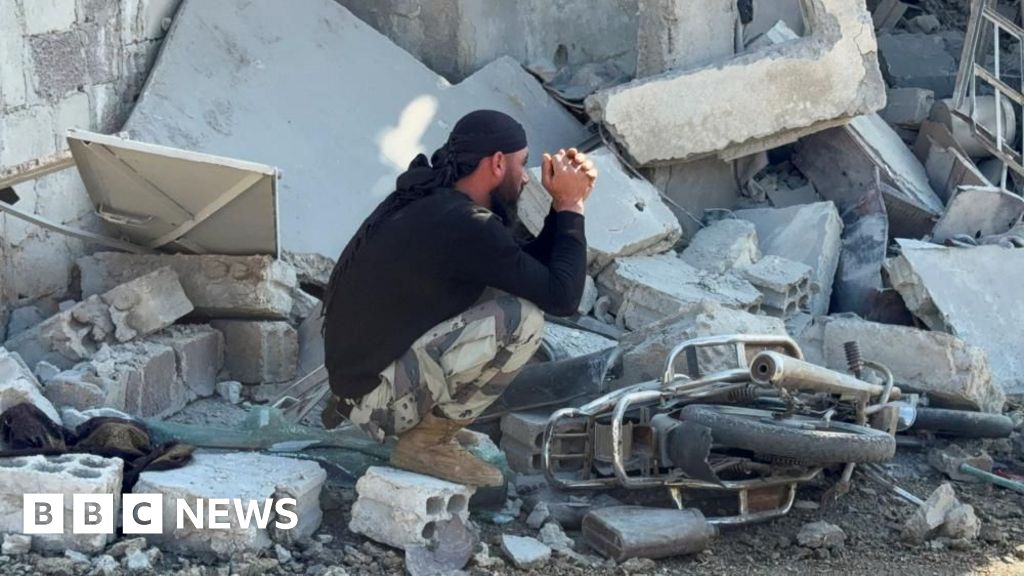
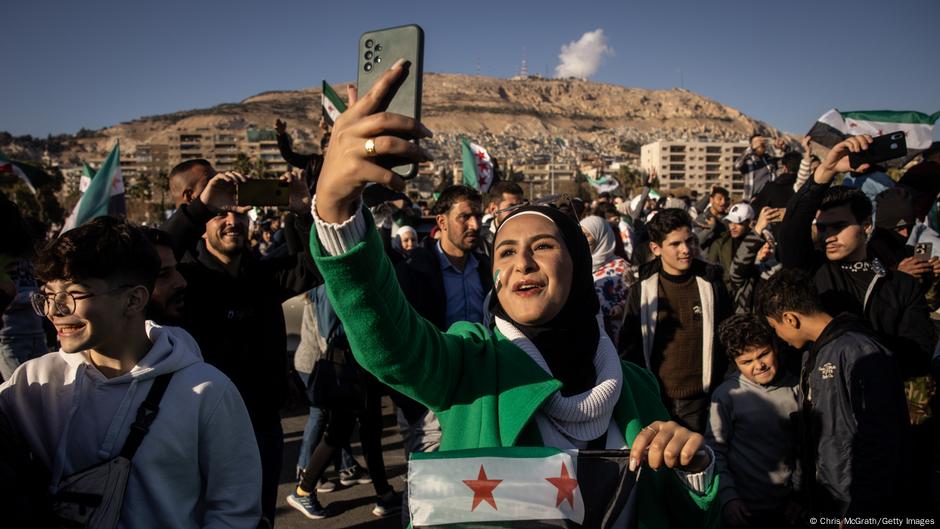
December 2024 marked a historic shift in Syria as Bashar al-Assad’s regime, which ruled for over six decades, was overthrown. This change opened a new chapter, presenting both hope and challenges for the war-torn nation. Syrian transitional authorities have made strides in justice and transparency, introducing a new constitutional declaration and holding indirect parliamentary elections.
Progress Amidst Persistent Challenges
Despite these advances, violence and human rights abuses continue to plague the country. Efforts to reform the security sector and ensure accountability have been inconsistent, with atrocities still reported. Civil society and humanitarian groups face restrictions, including bureaucratic hurdles and harassment, limiting their ability to aid those in need effectively.
The Road Ahead
The fall of Assad offers an unprecedented opportunity to rebuild Syria on foundations of rights and inclusivity. However, international support and genuine commitment to reform are crucial to prevent the window of opportunity from closing and to secure a stable future for ordinary Syrians.
About the Organizations Mentioned
Syrian transitional authorities
The **Syrian Transitional Authorities**, formed officially in March 2025, represent the interim executive government established to lead Syria through a critical post-Assad political transition following decades of civil war and dictatorship[1][3]. This government operates under a new presidential system defined by a Constitutional Declaration that grants the President direct oversight over ministers, without a Prime Minister position, signaling a centralized executive authority[1]. Its primary role is to stabilize Syria’s fragmented governance by dismantling militias, integrating rebel groups into a unified national army, and rebuilding state institutions. The transitional government includes a cabinet representing Syria’s diverse ethnic and religious communities, including Sunni Arabs, Christians, Druze, Alawites, and Kurds, with members drawn from former rebel administrations like the Salvation Government and former regime officials[2][4]. Key achievements so far include establishing a preparatory committee for a National Dialogue Conference to kick-start constitutional reforms, drafting an interim constitution emphasizing Islamic jurisprudence as a legislative source, judicial independence, and civil freedoms, and enacting early steps towards disbanding militias and integrating various armed factions into a new Syrian army[3][6]. However, transitional justice remains a significant challenge; efforts to foster reconciliation and community peace have lagged, with unresolved tensions among Syria’s diverse groups[1][7]. The government’s composition is noted for including former members of Hayat Tahrir al-Sham (HTS), a group formerly linked to al-Qaeda but which has moderated its stance, reflecting a complex political spectrum within the transitional authorities[2][5]. Internationally, there is cautious engagement, with calls for inclusive governance, democratic elections, and UN oversight to ensure accountability and stability[5]. In summary, the Syrian Transitional Authorities are a nascent but pivotal entity striving to unify Syria’s fractured political landscape, rebuild governance structures, and initiate constitutional and security sector reforms amid ongoing challenges of reconciliation and international scrutiny. Their success will largely depend on managing internal divisions and securing broad-based legitimacy.