Saudi Airstrikes Escalate Tensions at Yemen's Mukalla Port
Saudi Airstrikes Escalate Tensions in Yemen's Mukalla Port
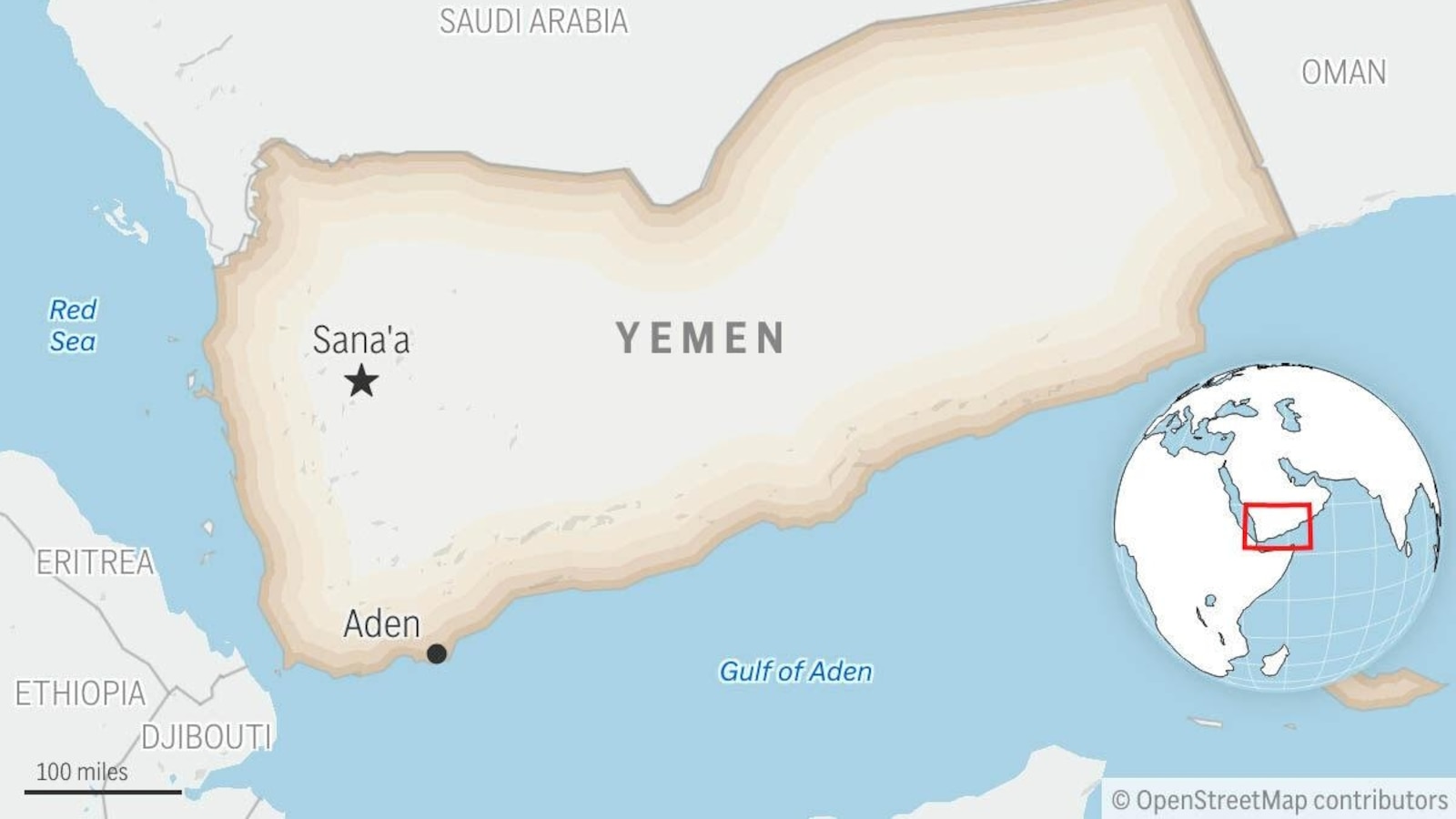
Recent Saudi airstrikes have targeted separatist positions in Yemen's vital port city of Mukalla, intensifying the decade-long civil war gripping the nation. On December 30, 2025, Saudi warplanes struck two ships allegedly carrying weapons and armored vehicles to UAE-backed Southern Transitional Council (STC) forces, a key commercial and strategic hub now at the center of Gulf rivalries.
Roots of the Conflict and Strategic Stakes
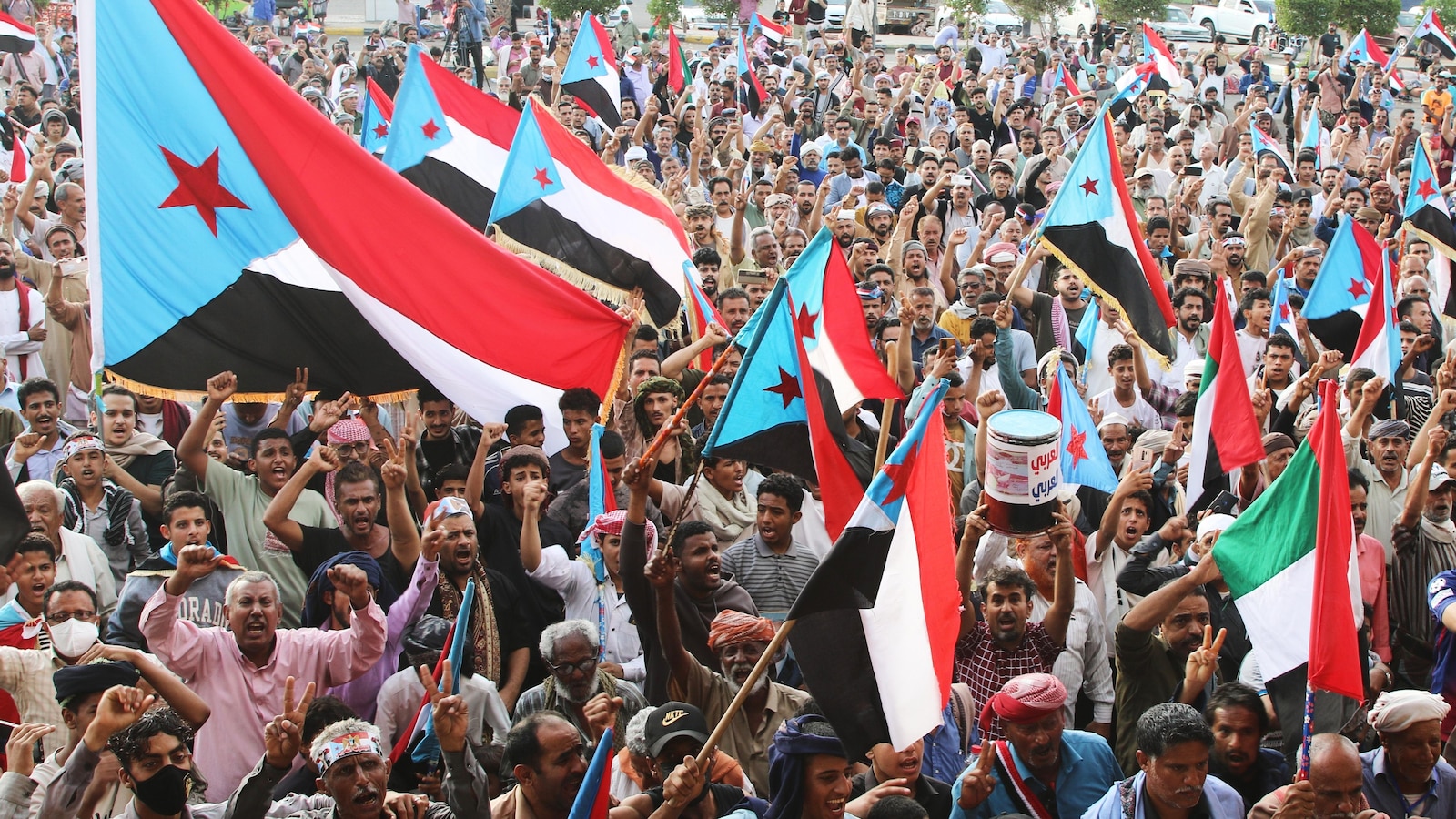
Yemen's turmoil stems from fractured alliances once united against Houthi rebels, now splintered by Saudi-UAE disputes over territorial control. Saudi Arabia views STC as a national security threat, demanding UAE withdrawal within 24 hours. The limited operation, with civilian warnings issued beforehand, underscores Riyadh's bid to curb separatist advances amid broader regional instability.
Implications for Regional Stability
STC forces vow retaliation, heightening fears of wider confrontations that could destabilize the Gulf. International observers warn of humanitarian fallout in a war-ravaged country, urging diplomatic intervention to prevent further escalation and safeguard vital trade routes.
About the Organizations Mentioned
Southern Transitional Council
The **Southern Transitional Council (STC)** is a UAE-backed secessionist organization founded in May 2017 by Aydarus al-Zubaydi to champion South Yemen's independence from the north, addressing decades of marginalization since the 1990 unification.[1][2][4] Emerging from the Southern Movement amid Yemen's civil war, it unites southern political, military, and social leaders to restore the former People's Democratic Republic of Yemen through self-determination, democratic governance, and stability.[1][4] **Key activities** include commanding the Southern Armed Forces, securing territory in Abyan, Hadramawt, and other southern provinces, and countering extremists like AQAP and IS-Yemen, positioning STC as the region's most effective indigenous anti-terror force despite resource constraints.[2][3][5] It advocates internationally via offices in the US and UN, fostering ties with policymakers, diaspora communities, and think tanks to promote southern rights and maritime security in the strategic Bab al-Mandab strait.[1][3] **Achievements** highlight its rapid ascent: the 2019 Riyadh Agreement granted STC ministries like Defense and Interior; it joined the Presidential Leadership Council (PLC) in April 2022, gaining formal political stake while retaining military autonomy; and by late 2025, it seized bases, checkpoints, and oil fields, launching operations like "Promising Future" in Hadramawt to stabilize areas and harness hydrocarbon revenues.[2][3][4][6] In May 2023, Zubaydi formed a Supreme Executive Leadership, integrating PLC ministers and Giants Brigades commanders to consolidate southern influence.[2] **Currently**, as of late 2025, STC controls swaths of the south, monitors Houthi threats, and rejects northern overreach, though its UAE dependency and rivalries within the Southern Movement limit broader consensus.[3][5][6] With the PLC stalled b