A Federal Jury Convicts Milwaukee Judge in Immigration Case

A Federal Jury Convicts Milwaukee Judge in Immigration Case
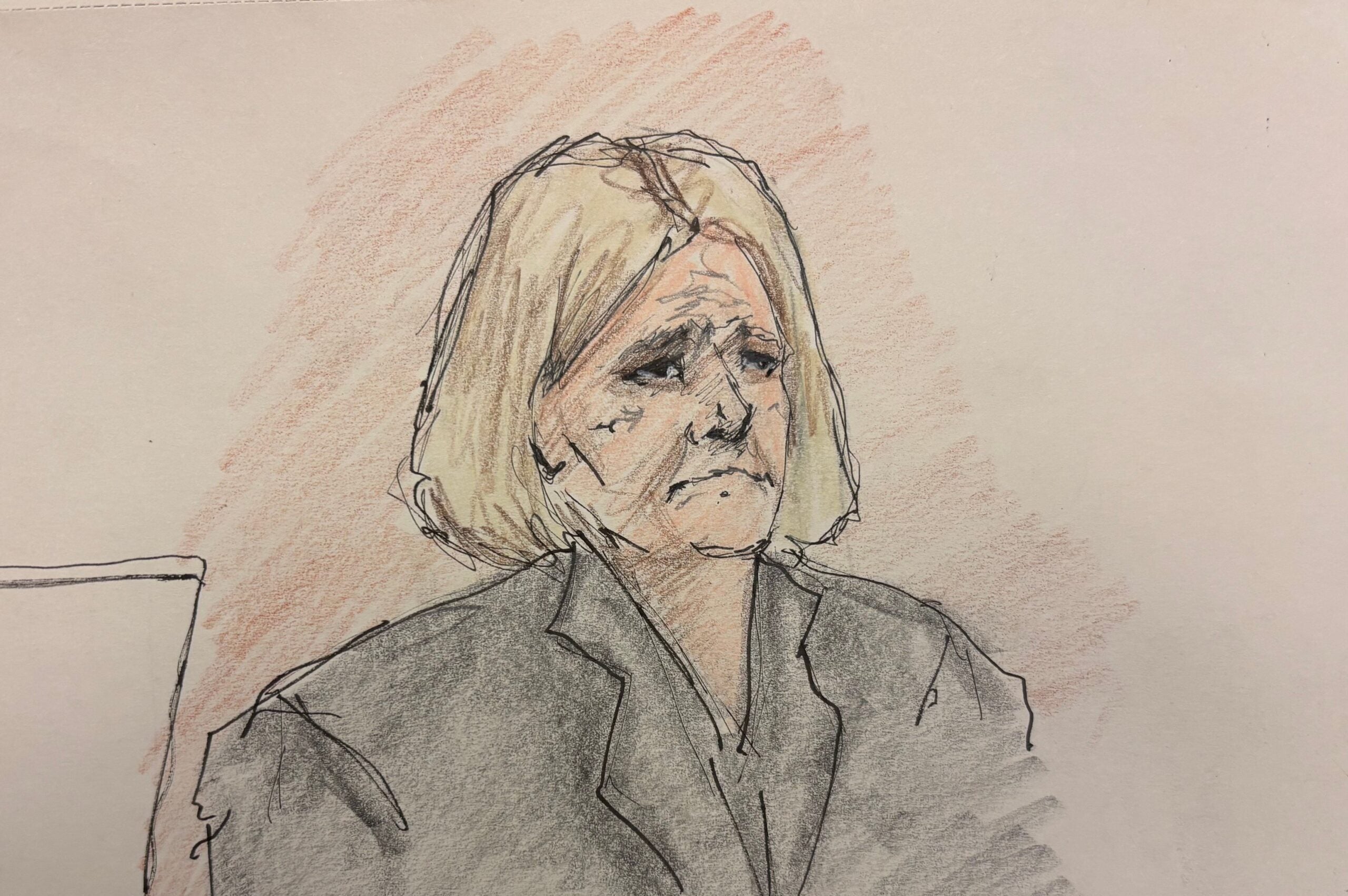
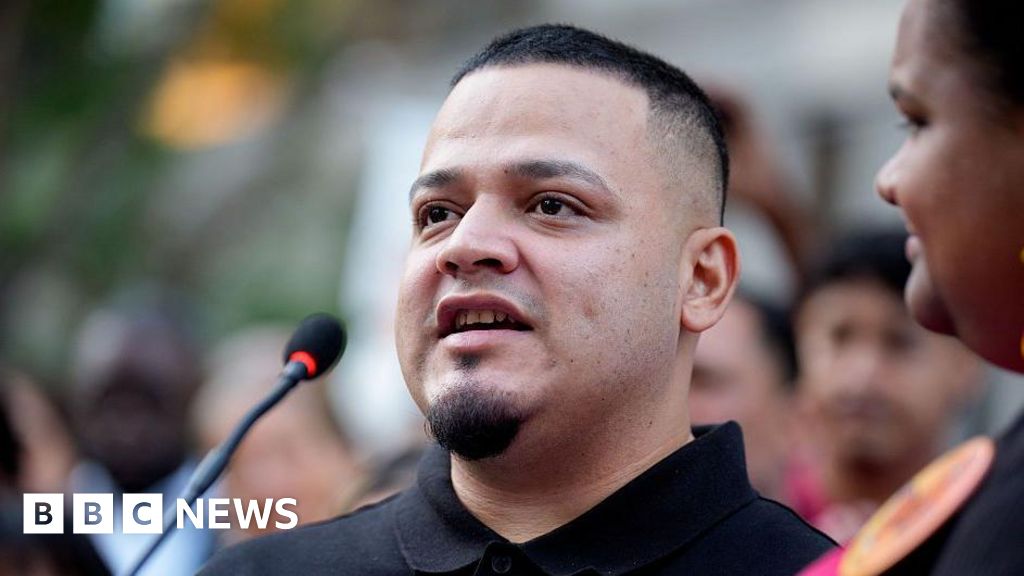
A federal jury in Milwaukee delivered a stunning verdict, finding County Circuit Court Judge Hannah Dugan guilty of obstructing immigration agents during a tense courthouse encounter last April. The case centers on Dugan's actions when agents sought to arrest undocumented immigrant Eduardo Flores-Ruiz, who faced misdemeanor battery charges in her courtroom. Witnesses described Dugan shielding the defendant, prompting a short chase outside where Flores-Ruiz was eventually apprehended and deported.[1]
Charges, Verdict, and Legal Fallout
Indicted on felony obstruction of a proceeding and misdemeanor concealment charges, Dugan pleaded not guilty, denying any intent to interfere. The jury convicted her on the serious felony but acquitted on the misdemeanor, exposing rifts in judicial handling of immigration matters. Suspended by the Wisconsin Supreme Court, she now faces up to six years in prison, with sentencing pending.[1][2]
Broader Implications for Courts and Immigration
This rare conviction of a sitting judge ignites debates on the clash between local justice and federal immigration enforcement. Critics argue it deters judicial independence, while supporters see it as upholding the rule of law. As Dugan's fate unfolds, the ruling may reshape courthouse protocols nationwide, balancing humanitarian instincts against legal duties.[1]
About the People Mentioned
Hannah Dugan
Hannah C. Dugan is a Milwaukee County Circuit Court judge who has served since 2016, focusing primarily on misdemeanor cases. She has built a nearly 30-year career centered on civil law, community leadership, and advocacy for the poor and vulnerable. Dugan earned a B.A. and J.D. from the University of Wisconsin-Madison and an M.A. in American Studies from Boston College. Before her judgeship, she worked extensively with legal aid organizations such as Legal Action of Wisconsin and the Legal Aid Society, and held leadership roles in major local nonprofits, including serving as executive director of Catholic Charities. She has also taught law at Marquette University as an adjunct professor and clinical supervisor. Dugan has played active roles beyond the bench, including serving as a member of the Wisconsin Judicial Council, the Wisconsin Trial Judges Association board, and chairing the Zeidler Group Advisory Board. She has been involved in multiple professional and community organizations such as the Milwaukee Bar Association (MBA), where she was president from 1999 to 2000, the Association for Women Lawyers, and the League of Women Voters. Additionally, she has served as a referee on attorney discipline cases for the Wisconsin Supreme Court. In recent years, Dugan was reported to be under federal scrutiny related to an alleged incident involving assistance to an undocumented immigrant at the courthouse, as reported in 2025. Despite this, she faced no opposition in her 2022 re-election for a six-year term ending in 2028. She remains an influential figure in Wisconsin’s legal community, known for her dedication to public service and justice for marginalized populations[1][2][3][4].
About the Organizations Mentioned
Wisconsin Supreme Court
The **Wisconsin Supreme Court** is the state's highest judicial authority, comprising seven justices elected in nonpartisan statewide elections to 10-year terms, serving as the final appellate court for state cases and regulator of Wisconsin's courts and legal profession.[1][2][5] Housed in Madison's state capitol, the court exercises discretionary review over appeals from lower courts, hears original actions, and determines if state laws comply with the Wisconsin Constitution. It sets procedural rules, enforces attorney and judge conduct codes, and influences broad issues like **economic development**, voting rights, labor rights, education policy, and women's rights—key for business leaders tracking regulatory stability and tech-driven policy shifts.[2][4][6] Historically, justices with longest service automatically became chief justice until a 2015 constitutional amendment shifted to peer-elected two-year terms, enhancing internal dynamics.[4][5] Vacancies prompt gubernatorial appointments, followed by elections in non-conflicting years, minimizing ideological swings via staggered terms.[2][5] **Key achievements** include landmark rulings on public health during COVID-19 (*Wisconsin Legislature v. Palm*), limiting gubernatorial emergency powers and empowering local authorities—a decision with business implications for operational continuity.[4] Recent cases struck down legislative vetoes on state civil settlements, upholding executive functions and separation of powers, fostering predictable legal environments for contracts and tech litigation.[8][9] Currently, the court remains pivotal amid high-stakes races, like the 2025 contest between Susan Crawford and Brad Schimel, spotlighting its role in constitutional disputes over statutes impacting commerce.[6] With discretion over dockets prioritizing statewide impact, it shapes Wisconsin's business climate by clarifying laws on everything from data privacy to development incentives, making it essential reading for tech executives eyeing Midwest expansion.[2][6] (Word count: 298)