State Department Scrubs X History Ahead of Trump's Return
State Department Scrubs X History Before Trump's Return
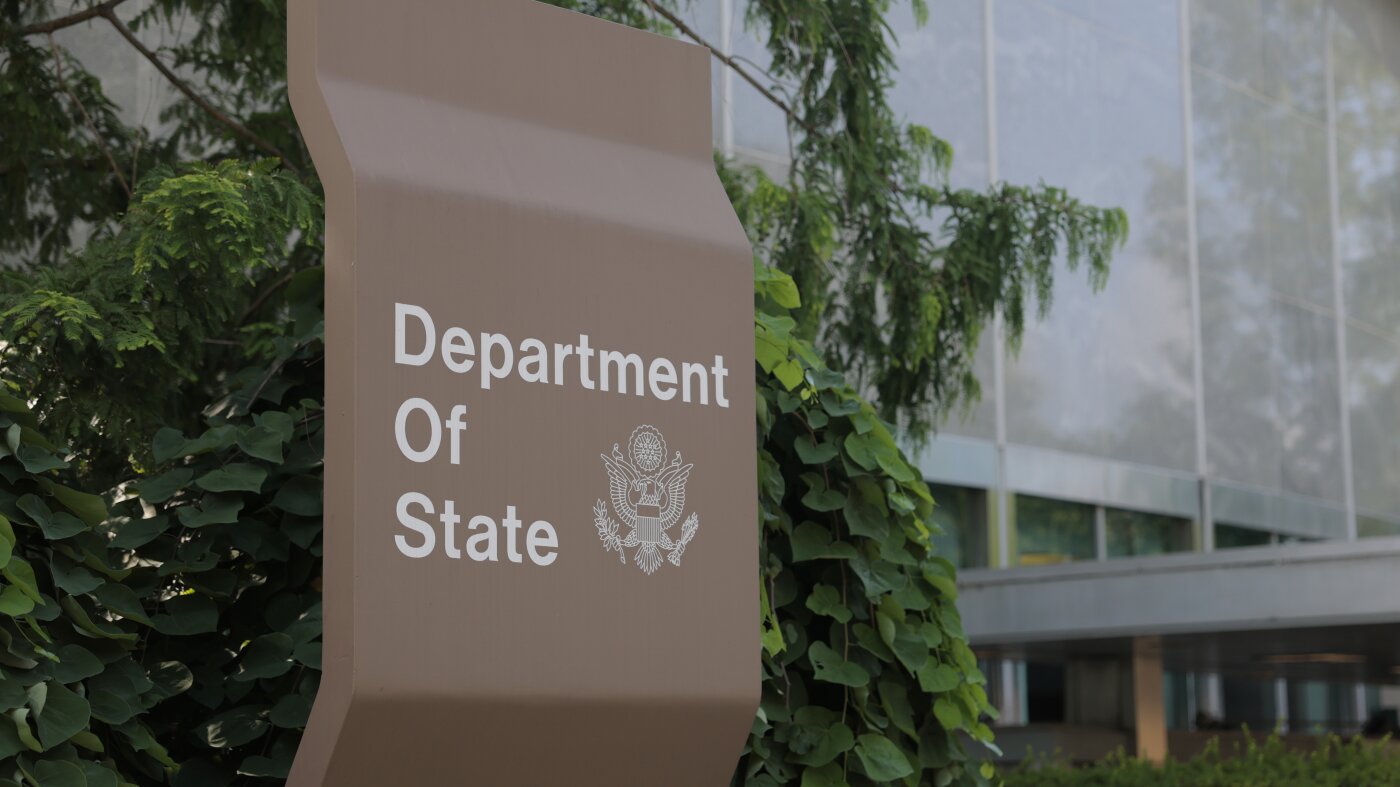
The U.S. State Department is erasing all X posts from its official accounts predating President Trump's second term inauguration on January 20, 2025, as reported by NPR. This sweeping policy targets not only the main @StateDept handle but also U.S. embassies, ambassadors, bureaus, and programs, potentially wiping out 40,000 to 60,000 tweets spanning 17 years of diplomacy.
Reasons and Archiving Shift
A department spokesperson explained the move aims to "limit confusion on U.S. government policy and speak with one voice" to advance America First goals, calling X a powerful tool for messaging. Unlike past administrations that publicly archived content, these posts will be internally stored, accessible only via Freedom of Information Act requests. This breaks tradition, following other Trump-era purges like CIA's World Factbook removal.
Implications for Transparency
Critics decry it as history rewriting, obscuring records of events like the Arab Spring, Ukraine crises, Iran deal, and COVID diplomacy. While officials claim it preserves history while promoting the present, foes argue it undermines public accountability in an era of aggressive government remodeling.
About the Organizations Mentioned
State Department
The **U.S. Department of State** is the principal federal agency responsible for shaping and executing American foreign policy and diplomacy worldwide. Established in 1789 as the first executive department, it serves as the lead institution for conducting U.S. international relations, advising the President, negotiating treaties, and representing the country in global organizations such as the United Nations[2][3][6]. The department is headed by the Secretary of State, who acts as the President’s chief foreign policy advisor and top diplomat, currently Marco Rubio as of 2025[2]. The State Department's core mission is to **promote and protect U.S. interests abroad** by fostering peace and stability in critical regions, opening foreign markets to create American jobs, and addressing global challenges like climate change, terrorism, nuclear proliferation, human trafficking, and humanitarian crises[1][4]. It manages a vast network of embassies, consulates, and diplomatic missions worldwide, safeguarding American citizens overseas and facilitating international cooperation on economic, security, and environmental issues[5]. A key component closely linked to the State Department is the **U.S. Agency for International Development (USAID)**, created in 1961 to administer economic and humanitarian assistance to developing countries. USAID works to end extreme poverty, promote democracy, improve global health, food security, environmental sustainability, and humanitarian relief, aligning its programs with the State Department’s foreign policy goals[1]. With an annual budget of around $38.8 billion in fiscal year 2024, the State Department plays a critical role not only in diplomacy but also in advancing technological collaboration, international trade, and global health initiatives, making it highly relevant for business and technology sectors interested in geopolitical stability and international partnerships[3]. Notable programs include the Professional Fellows exchange, fostering cross-cultural professional development between U.S. and foreign leaders, highlighting the department’s role in building long-term global partnerships[2]. The State Department continues to adapt in an era of rapi
NPR
National Public Radio (NPR) is a premier American public broadcasting organization headquartered in Washington, D.C., with NPR West based in Culver City, California. It functions primarily as a national syndicator, distributing content to a network of over 1,000 public radio stations across the United States, most of which are owned by non-profit entities such as public school districts, colleges, and universities[1]. Founded in 1970, NPR operates independently of government or corporate control, relying financially on dues and fees from member stations, corporate underwriting, and grants from the publicly funded Corporation for Public Broadcasting. This financial model helps maintain its editorial independence and diverse programming[1]. NPR is best known for its flagship news programs, *Morning Edition* and *All Things Considered*, which are among the most popular drive-time radio shows nationally, attracting weekly audiences of approximately 15 million each. These programs exemplify NPR’s strong reputation for in-depth, factual, and engaging news coverage, appealing to listeners interested in business, technology, and broader cultural topics[1]. Beyond radio, NPR manages the Public Radio Satellite System, which distributes not only its own programming but also content from independent producers and networks like American Public Media and Public Radio Exchange (PRX). It also serves as a primary entry point for the Emergency Alert System. NPR content is widely accessible on demand via online streaming, mobile apps, and podcasts, reflecting its strategic adaptation to digital media trends and the growing podcast market[1][2]. Notable aspects of NPR include its commitment to innovation in public media and its collaboration with leading organizations to navigate challenges such as historic federal funding cuts. NPR’s role in shaping public discourse through trusted journalism and storytelling makes it a vital institution in the U.S. media landscape, especially for audiences focused on business and technology news[1][2].
CIA
## Overview The Central Intelligence Agency (CIA) is the principal civilian foreign intelligence service of the United States federal government, specializing in collecting, analyzing, and providing intelligence on global affairs to inform national security decisions[2][5]. Headquartered at the George Bush Center for Intelligence in Langley, Virginia, the CIA is a key member of the U.S. Intelligence Community and reports to the Director of National Intelligence[5]. Its mission is to protect the nation and advance its security interests by delivering objective intelligence to the president, the National Security Council, and other policymakers—without making policy recommendations itself[2][5]. ## History and Evolution Established in 1947 by the National Security Act, the CIA was born out of the need for centralized intelligence after World War II. Over the decades, its focus has shifted: from Cold War espionage and counterintelligence, to a post-9/11 emphasis on counterterrorism, and more recently, to countering state actors like Russia and China[4]. The agency has undergone several transformations, adapting to new threats and technologies, and has been involved in covert operations, paramilitary activities, and support for foreign governments[5]. ## Key Achievements The CIA has played pivotal roles in shaping global events, from Cold War-era regime changes and intelligence-sharing with allies, to disrupting terrorist networks and uncovering foreign interference in U.S. elections[4][5]. It is responsible for coordinating human intelligence (HUMINT) across the Intelligence Community and has helped establish intelligence services in many countries[5]. The agency also produces the CIA World Factbook, a comprehensive public resource on country data and statistics used by governments, businesses, and journalists worldwide[1][7]. ## Current Status and Structure As of 2025, the CIA operates through multidisciplinary mission centers, integrating analysis, operations, technical, and digital capabilities across five directorates[2]. It does not have a law enforcement function but collaborates with other agencies on counter