CDC Databases Go Dark: A Vaccine Tracking Crisis Threatens Public Health
#public_health #vaccines #surveillance #transparency #outbreaks
CDC Databases Go Dark: A Vaccine Tracking Crisis
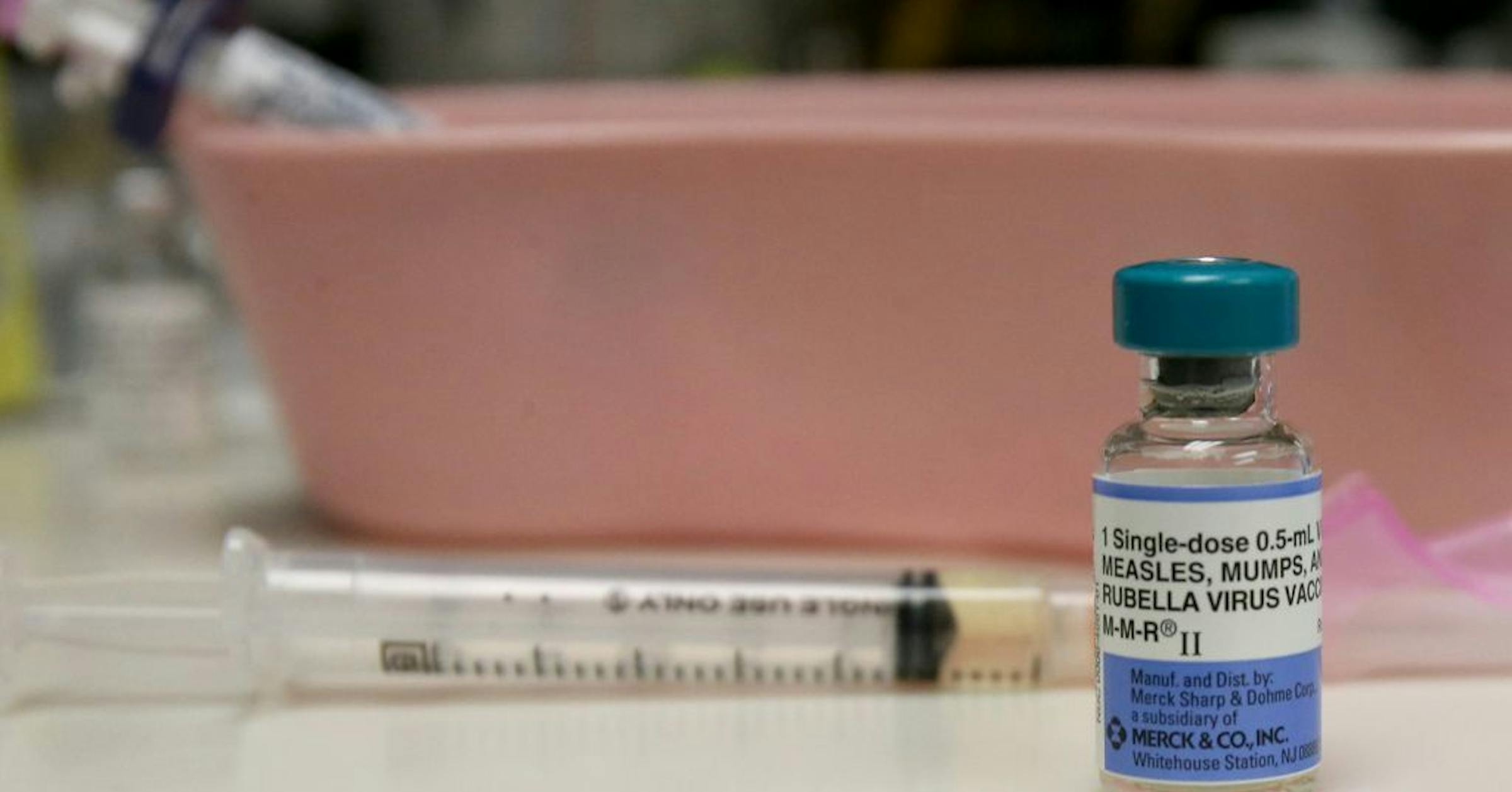
A startling study reveals that nearly half of the CDC's regularly updated databases—46% of 82 key surveillance systems—have paused without explanation in 2025, with almost 90% linked to vaccines.[1][2][3] These critical tools tracked Covid vaccination rates, RSV hospitalizations, influenza shots, and measles outbreaks, essential for public health responses. By October's end, 38 databases showed no updates for six months or more, leaving only one resuming by December.[4]
Unexplained Pauses Spark Transparency Fears
Researchers in Annals of Internal Medicine pinpoint policy shifts, staff losses, and budget cuts as likely culprits, hitting vaccination data hardest—87% of paused sets covered flu, Covid, and more, often for vulnerable groups like children, seniors, and pregnant women.[3][6] No public notices accompanied these halts, eroding trust and complicating outbreak detection amid rising measles cases in under-vaccinated areas.[4] Experts warn this opacity hampers equity efforts and misinformation fights.[3]
Public Health at Risk
Without fresh data, officials can't target vaccination gaps or respond swiftly to threats like respiratory illnesses.[2][5] Infectious Diseases Society leaders stress these interruptions undermine rapid outbreak recognition, urging transparency to restore confidence in CDC guidance for clinicians and communities.[4] The stakes demand immediate action to safeguard national health surveillance.
About the Organizations Mentioned
CDC
The **Centers for Disease Control and Prevention (CDC)** is the premier national public health agency of the United States, operating under the Department of Health and Human Services and headquartered in Atlanta, Georgia. Its primary mission is to protect public health and safety through disease control, injury prevention, and health promotion both nationally and globally[1][8]. Established in 1946 initially as a single "Center for Disease Control," the agency expanded and reorganized in 1980 into multiple specialized centers, reflecting a broader focus beyond infectious diseases to include environmental health, chronic disease, occupational safety, and health education[7]. The CDC comprises various centers and institutes, such as the National Center for Immunization and Respiratory Diseases, the National Center for Chronic Disease Prevention and Health Promotion, and the National Institute for Occupational Safety and Health (NIOSH), among others. These centers enable the CDC to address a wide array of public health challenges through research, surveillance, policy development, and education[2]. It also plays a key role in emergency preparedness and response, demonstrated notably during the COVID-19 pandemic, where its guidance shaped public health actions despite complex political and social dynamics[8]. Key achievements include pioneering epidemiological research, controlling outbreaks of infectious diseases, advancing vaccine safety and immunization programs, and addressing emerging health threats such as obesity and diabetes. The CDC is recognized for disseminating authoritative health information, including the widely cited Morbidity and Mortality Weekly Report (MMWR), and for its global collaborations with health organizations worldwide[1][3][8]. Currently, the CDC is undergoing organizational adjustments to focus more intensively on infectious diseases, as part of the 2025 Department of Health and Human Services reorganization. This includes absorbing the Administration for Strategic Preparedness and Response while shifting some functions like occupational safety to new entities[1]. The agency’s comprehensive approach, backed by science and government funding, positions it as a critical leader in public health innovation, disease prevention, and health security i
Annals of Internal Medicine
**Annals of Internal Medicine** is a premier peer-reviewed journal published by the American College of Physicians (ACP), focusing on advancing internal medicine through high-impact research and clinical insights.[1][2][3] Established in 1927, it evolved from earlier ACP publications like *Annals of Clinical Medicine*, marking nearly a century of influence in medical publishing. Peer review was introduced under editor J. Russell Elkington in the 1960s, elevating its standards. In 2008, *ACP Journal Club* merged into it as a monthly feature, expanding its evidence-synthesis scope. Edited by Christine Laine, MD, MPH, since the early 2000s, the journal releases new online content weekly and print issues on the third Tuesday monthly.[1][3][4] Its mission drives excellence in medicine by informing physicians and health professionals on clinical practice, public health, policy, ethics, and research methodology. Content spans original research, reviews, guidelines—like recent ones on low back pain—and personal narratives capturing medicine's human side. With a global readership exceeding 161,000 ACP members plus others, it offers free access to many articles via Annals.org, podcasts, and HINARI for developing nations. Indexed in PubMed, Scopus, and more, it boasts a **2024 Impact Factor of 15.4** (down slightly from 19.6 in 2023), consistently ranking as the most-cited internal medicine journal worldwide.[1][2][3] Key achievements include shaping evidence-based practice and policy, with influence rivaling top journals. Today, it thrives digitally on platforms like OvidSP, promoting rigorous research amid tech-driven healthcare shifts—think AI diagnostics and telehealth policy debates. For business-tech audiences, its model exemplifies sustainable academic publishing: high ad revenue potential from 100,000+ print readers, open-access innovations, and data analytics for global health tech trends.[2][4][
Infectious Diseases Society
The **Infectious Diseases Society of America (IDSA)** is a leading professional organization uniting over **13,000 physicians, scientists, and public health experts** dedicated to combating infectious diseases through excellence in patient care, education, research, public health, and prevention.[1][4][5] Founded in **October 1963** in Warrenton, Virginia, IDSA emerged from discussions among medical leaders like Maxwell Finland, its first president, and 125 charter members from groups such as the American Society for Microbiology. Initially sparked by spring meetings in Atlantic City on infectious topics and antibiotics, it became an independent 501(c)(6) entity headquartered in Arlington, Virginia.[1][3] This origin story reflects a pivotal response to growing needs in antimicrobial therapy and disease management amid mid-20th-century outbreaks. IDSA's **key achievements** include issuing authoritative **clinical practice guidelines**, advocating for new antimicrobials to fight **antibiotic resistance**, and promoting vaccination access. It hosts annual meetings with expert presentations, research abstracts, and panels, while influencing U.S. policies on infectious threats. In 2000, it launched the **HIV Medicine Association (HIVMA)**, now with 3,600 members, supporting global AIDS care via programs like Uganda's AIDS Training at Makerere University.[1][3][6] IDSA publishes prestigious journals—*The Journal of Infectious Diseases* and *Clinical Infectious Diseases*—offered free to members, alongside research awards and mentorship to nurture talent.[6] Today, IDSA remains **vibrant and influential**, with a **recent brand refresh** featuring a bold logo and updated website to tackle modern challenges like COVID-19 management, antimicrobial stewardship, and health disparities.[1][5][6] It champions **ID physician compensation** for retention and offers 2-for-1 HIVMA membership perks, amplifying members' global impact amid resurgent pathogens.