Court Rules: Buffalo Wild Wings Boneless Wings Case Finds No Deception
#legal #buffalo_wild_wings #boneless_wings #consumer_protection #food_law
Court Rules on Buffalo Wild Wings Boneless Chicken Dispute
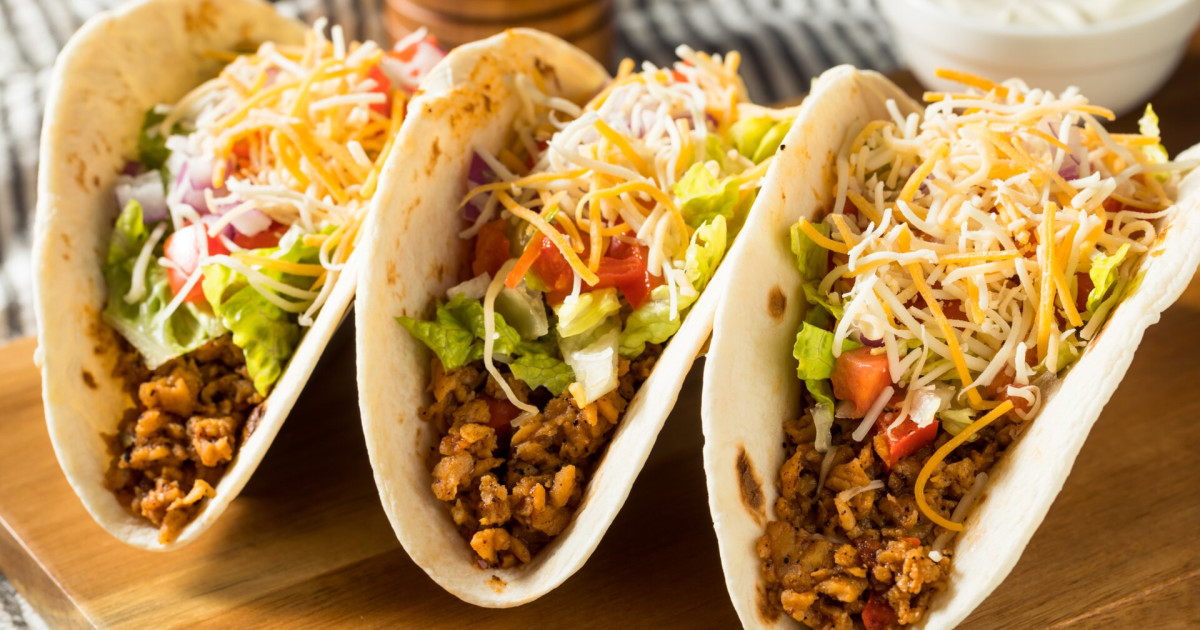
A federal judge has dismissed a lawsuit challenging Buffalo Wild Wings' use of the term "boneless wings," determining that the menu item's name is not deceptive to consumers. Judge John Tharp Jr. ruled that reasonable customers would not believe boneless wings are actually deboned chicken wings reconstituted into a single piece, comparing the product to cauliflower wings sold at the same restaurant.
The Case Against the Menu Item
Illinois customer Aimen Halim sued Buffalo Wild Wings in 2023, arguing that boneless wings are essentially chicken nuggets made from breast meat. He claimed the misleading name violated consumer protection laws and sought damages. Halim contended that had he known the true contents, he would have refused the purchase or paid less.
Judge's Decision and Reasoning
The judge determined Halim did not "drum" up sufficient evidence to support his claims. The court noted that "boneless wings" is a common, well-established term used for over two decades. The ruling allows Buffalo Wild Wings to maintain the menu item's current name without modification.
```About the Organizations Mentioned
Buffalo Wild Wings
Buffalo Wild Wings is a **sports-themed casual dining restaurant chain** specializing in Buffalo-style chicken wings and sports bar experiences[1][5]. Founded in 1982 by Jim Disbrow and Scott Lowery in Columbus, Ohio, the company emerged from a simple craving for authentic Buffalo wings that the co-founders couldn't find locally[1][6]. ## Early Growth and Challenges The founders initially struggled with business fundamentals, operating haphazardly until 1994 when Sally Smith joined as CFO[1][2]. During 1995, the company reported $12 million in revenue but a $1.6 million loss[1]. Smith's financial restructuring proved transformative—she was promoted to president and CEO in August 1996, stabilizing operations and enabling rapid expansion[1][4]. ## Expansion and Market Success The company began franchising in 1991, charging $15,000 to $20,000 plus a percentage of sales[1][2]. By 1995, Buffalo Wild Wings shifted from a college bar atmosphere to a sports-focused casual dining concept with 48 locations[3]. The 1998 decision to standardize the brand name across all outlets facilitated a national advertising campaign[1]. By 1999, the chain opened its 100th location and secured $8.5 million in venture capital funding for aggressive expansion[3]. ## Public Company and Acquisition Buffalo Wild Wings went public in 2003 at $8.50 per share, experiencing a 35% surge on its first trading day[3]. The company achieved remarkable growth under Smith's leadership, expanding from fewer than 100 locations to over 1,200 within 20 years[4]. In 2018, Arby's Restaurant Group acquired Buffalo Wild Wings for $3 billion[3].