Japan Bids Farewell to Its Last Pandas Amid Diplomatic Tensions
Japan Bids Farewell to Its Last Pandas Amid Diplomatic Tensions
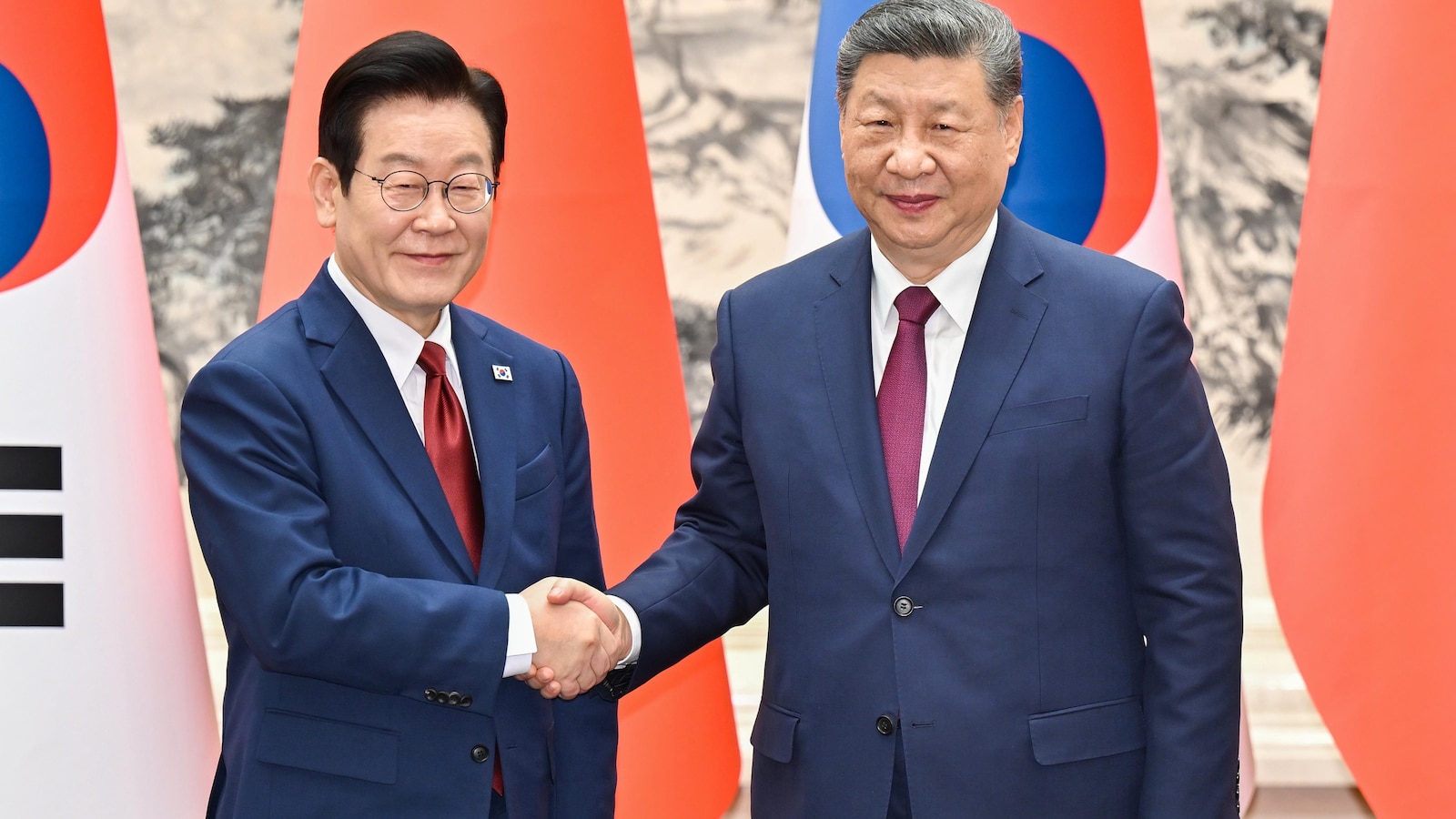
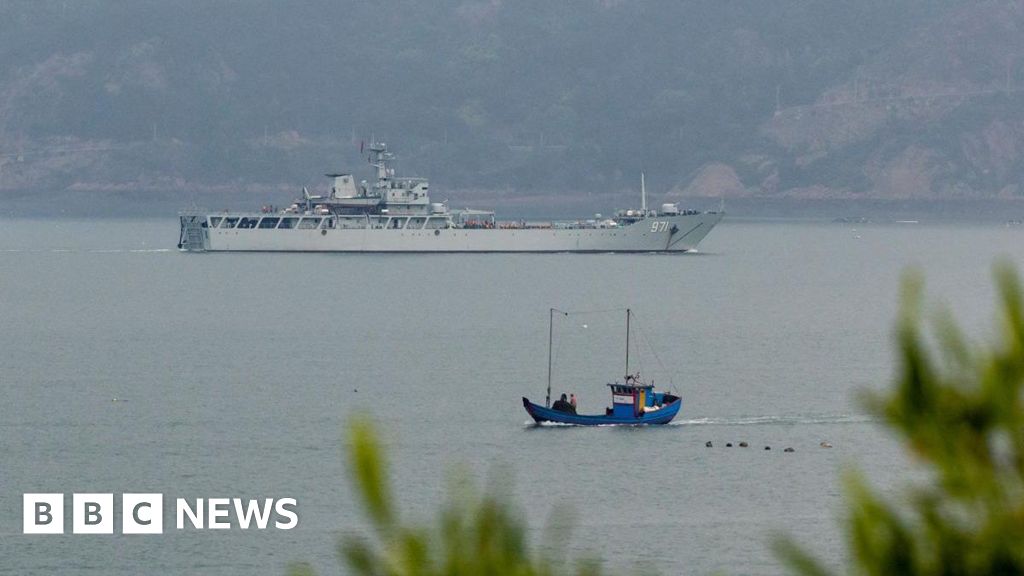
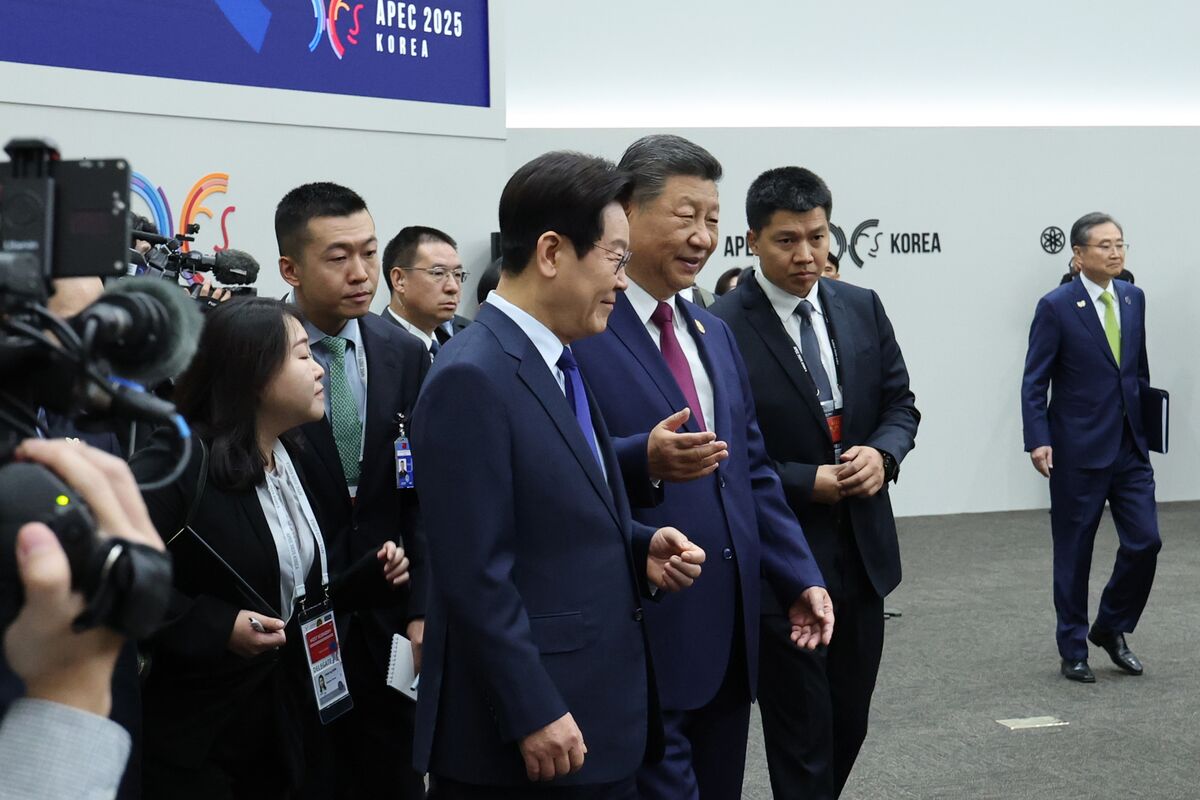
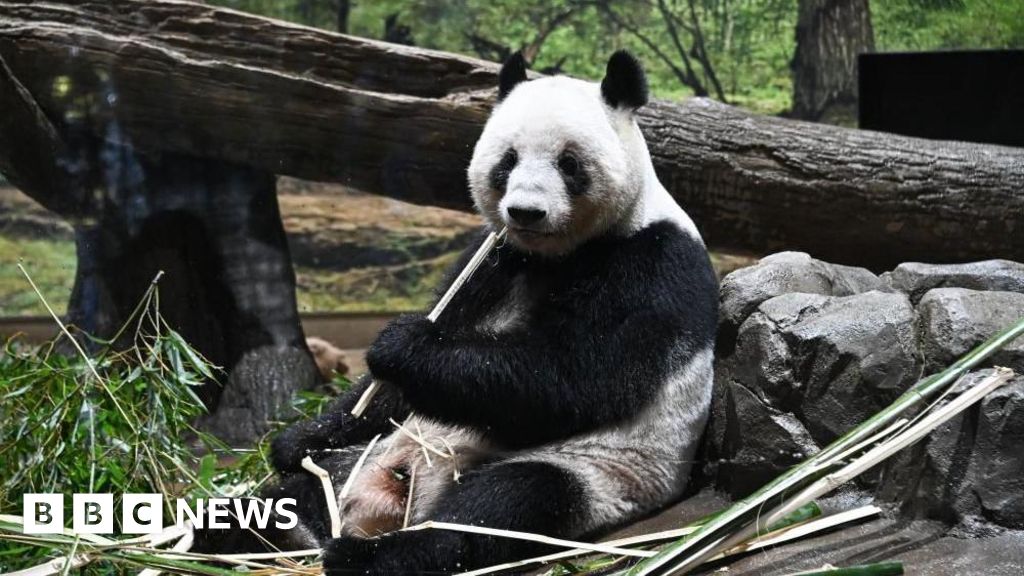
Japan's cherished pandas, Lei Lei and Xiao Xiao, departed Tokyo's Ueno Zoo for China on Tuesday, marking the first time since 1972 that the nation lacks these iconic bears. Beloved symbols of friendship loaned through China's "panda diplomacy," the twin cubs' early return coincides with fraying ties sparked by Prime Minister Sanae Takaichi's comments on potential military intervention in a Taiwan conflict, irking Beijing.[1]
Emotional Goodbyes and Public Sentiment
Thousands of fans gathered for final glimpses, with 4,400 lottery winners bidding adieu at the zoo, while others donned panda gear outside. A recent Asahi Shimbun poll revealed 70% oppose negotiating new loans amid strained relations, despite Japan's overtures for replacements. China has also curbed travel advisories and rare-earth exports to Japan.[1]
Broader Implications of Panda Diplomacy
Experts like Professor Masaki Ienaga note pandas' routine repatriation may not be purely political, emphasizing their economic draw. Unlike Thailand's elephants or Australia's koalas, pandas uniquely blend diplomacy and revenue. Warmer ties could herald their return, underscoring animals' role in global relations.[1]
About the People Mentioned
Sanae Takaichi
Sanae Takaichi is a Japanese politician of the Liberal Democratic Party (LDP) who became Japan’s first female prime minister after winning the LDP leadership and being elected by the National Diet in 2025[2][3]. She was first elected to the House of Representatives in 1993 and has held multiple cabinet posts, notably Minister for Internal Affairs and Communications and Minister of State for Economic Security[5][3]. Takaichi is widely described as a conservative and a protégé of former prime minister Shinzō Abe, advocating traditionalist cultural policies, stronger defence and economic-security measures, and limits on immigration[5][3]. Her tenure as a senior minister included controversial moves such as seeking greater government influence over public broadcasting and visiting the Yasukuni Shrine while in office[5]. After several attempts at party leadership, she secured the LDP presidency in 2025 and led a minority government formed with the Japan Innovation Party amid a fractured Diet and the end of the long-standing LDP–Kōmeitō alliance[2][3]. Key challenges cited for her government include restoring public trust after LDP funding scandals, addressing Japan’s demographic decline and low growth, high public debt, inflation and wage issues, and navigating a tense regional security environment involving China and North Korea[2][3]. Analysts note her policy priorities include expansionary fiscal measures, tighter control over monetary policy levers, and strengthening the U.S.–Japan alliance and economic-security ties[2][5]. Takaichi’s rise is significant both for breaking gender barriers in Japanese national leadership and for shifting the LDP toward more conservative, security-focused policies during a period of domestic political realignment[3][5].
About the Organizations Mentioned
Ueno Zoo
**Ueno Zoo**, Japan's oldest zoo established in 1882, operates as a 14.3-hectare (35-acre) public facility in Tokyo's Ueno Park, managed by the Tokyo Zoological Park Society under the Tokyo Metropolitan Government since 2006.[1][4][6] It houses over 300 species, emphasizing education, conservation, and breeding programs for rare animals like giant pandas, drawing millions of visitors annually as Japan's most popular zoo.[5][7] Originally a menagerie linked to the National Museum of Natural History under the Ministry of Agriculture and Commerce, it transitioned to a public zoo in 1882 through naturalist Tanaka Yoshio's efforts.[1][3] Imperial land was gifted to Tokyo in 1924 for Crown Prince Hirohito's wedding, renaming it Ueno Imperial Zoological Gardens (later Ueno Zoological Gardens in 1947).[1][2][4] Post-WWII recovery was grueling: in 1943, amid air raid fears and resource shortages, administrator Shigeo Ōdachi ordered the cruel culling of "dangerous" animals—including elephants starved for a month—via poisoning, strangulation, or starvation, a dark chapter memorialized on-site.[1][2][3][8] Zookeepers innovated with visitor-donated pumpkin seeds for feed.[3] Key achievements include pioneering giant panda breeding since 1972, boosting popularity and conservation awareness, alongside exhibits like Chinese zodiac events and natural monument displays.[3][5][7] Today, it thrives with family-friendly features like the Children's Zoo for guinea pigs and rabbits, traditional Japanese landscaping, and easy access via Ueno Station.[1][6][7] Despite its wartime scars, Ueno Zoo exemplifies resilience, blending historical significance with modern wildlife education in Tokyo's bustling heart.[1][5] (Word count: 298)
Asahi Shimbun
**Asahi Shimbun** is one of Japan's oldest and largest national daily newspapers, renowned for its comprehensive coverage of politics, foreign affairs, business, and technology, with a liberal and progressive editorial stance that appeals to readers tracking economic trends and innovation.[1][4][5] Founded on January 25, 1879, in Osaka as a modest four-page illustrated paper costing one sen and printing 3,000 copies daily, it was led by president Kimura Noboru, owner Murayama Ryōhei, and managing editor Tsuda Tei.[1][2][4] By 1881, it shifted to an all-news format, gaining backing from Mitsui and co-owner Ueno Riichi, which fueled rapid expansion.[1] The Tokyo edition launched on July 10, 1888, pioneering telegraph news gathering—first in Japan—and installing the nation's inaugural rotary press in 1890, boosting efficiency and scooping rivals with events like an Imperial Edict transmission.[2] The Osaka and Tokyo papers merged operationally in 1908 and fully in 1940 as a single entity.[1][2] Key achievements include shaping public opinion during the Taishō era's liberalization and post-WWII reforms, promoting democratic values and social issues amid Allied occupation.[3] Its innovative stunts, like free Tokyo bus rides for readers in 1888, propelled unmatched circulation growth, establishing it as a media powerhouse alongside Yomiuri Shimbun and others.[2][5] Today, controlled by the Murayama (21.02%) and Ueno (14.22%) families, plus stakes from TV Asahi (11.88%) and Toppan (7.31%), it prints in blanket format (54.6 cm x 40.65 cm) with global correspondents and subscriptions to over 20 international services, excelling in foreign and political news vital for business-tech audiences.[1][4][5]