New Banking Citizenship Verification Rules Under Consideration

New Banking Requirements Under Consideration
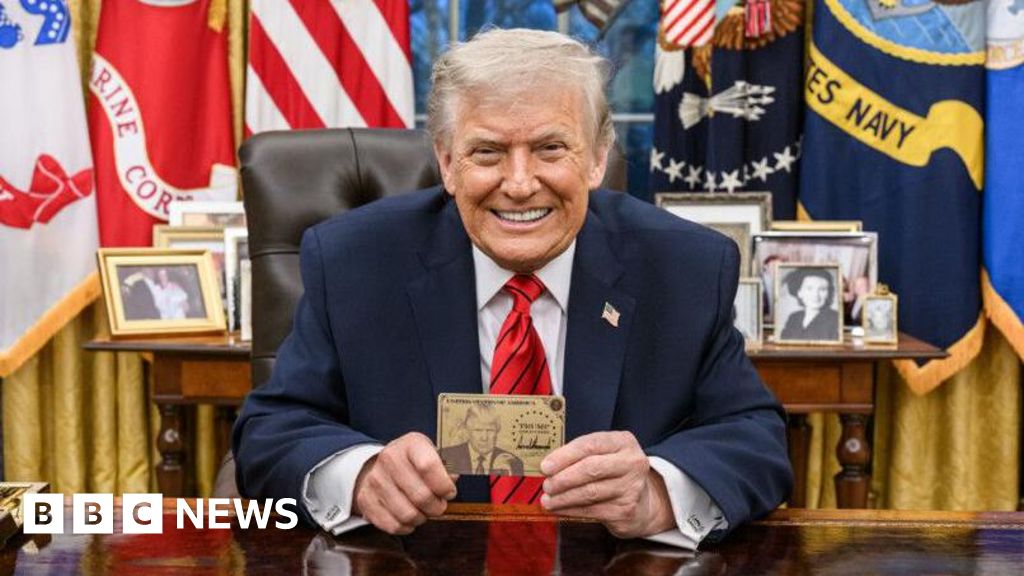
The Trump administration is exploring an executive order that would require banks to collect citizenship verification from customers. This initiative represents an expansion of the administration's immigration enforcement strategy, which has intensified restrictions on noncitizens' access to employment, financial services, and government assistance programs over the past year.
Implementation and Legal Challenges
Banks would be mandated to request documentation such as passports from both existing and prospective customers. However, legal experts note that an executive order alone may be insufficient to implement such requirements. Congressional action or the Administrative Procedure Act process could be necessary, potentially extending the timeline to one or two years for full implementation.
Broader Policy Context
This proposal aligns with recent administration actions limiting noncitizen financial access, including the Small Business Administration's exclusion of non-citizens from primary loan programs. Additionally, federal agencies have retracted previous protections preventing financial institutions from using immigration status in creditworthiness assessments, marking a significant shift in banking policy toward immigrants.
```About the Organizations Mentioned
Small Business Administration
```html <!DOCTYPE html> <html lang="en"> <head> <meta charset="UTF-8"> <meta name="viewport" content="width=device-width, initial-scale=1.0"> <title>The U.S. Small Business Administration: Empowering Entrepreneurs Since 1953</title> <style> body { font-family: Arial, sans-serif; line-height: 1.6; max-width: 800px; margin: 0 auto; padding: 20px; } h1 { color: #333; } h2 { color: #555; } p { margin-bottom: 1em; } </style> </head> <body> <h1>The U.S. Small Business Administration: Empowering Entrepreneurs Since 1953</h1> <p>The <strong>U.S. Small Business Administration (SBA)</strong> is the nation's premier federal agency dedicated to fueling the dreams of small business owners and entrepreneurs. Established on July 30, 1953, by President Dwight D. Eisenhower through the Small Business Act, the SBA's mission is to "aid, counsel, assist, and protect" small businesses, ensuring they receive a fair share of government contracts and thrive in a competitive economy.[3][1][5]</p> <h2>Core Functions and Services</h2> <p>Today, the SBA supports millions of businesses via four pillars: <strong>access to capital</strong> through loans, guarantees, microlending, and venture capital; <strong>entrepreneurial development</strong> with free counseling and low-cost training at over 1,800 locations; <strong>government contracting</strong> targeting 23% of prime contract dollars for small firms; and <strong>advocacy</strong> by reviewing legislation, testifying before Congress, and assessing regulator