Historic Trilateral Talks in Paris Forge Path to Security and Civilian Cooperation
#diplomacy #middle_east #security #intelligence #cooperation

Historic Trilateral Meeting in Paris
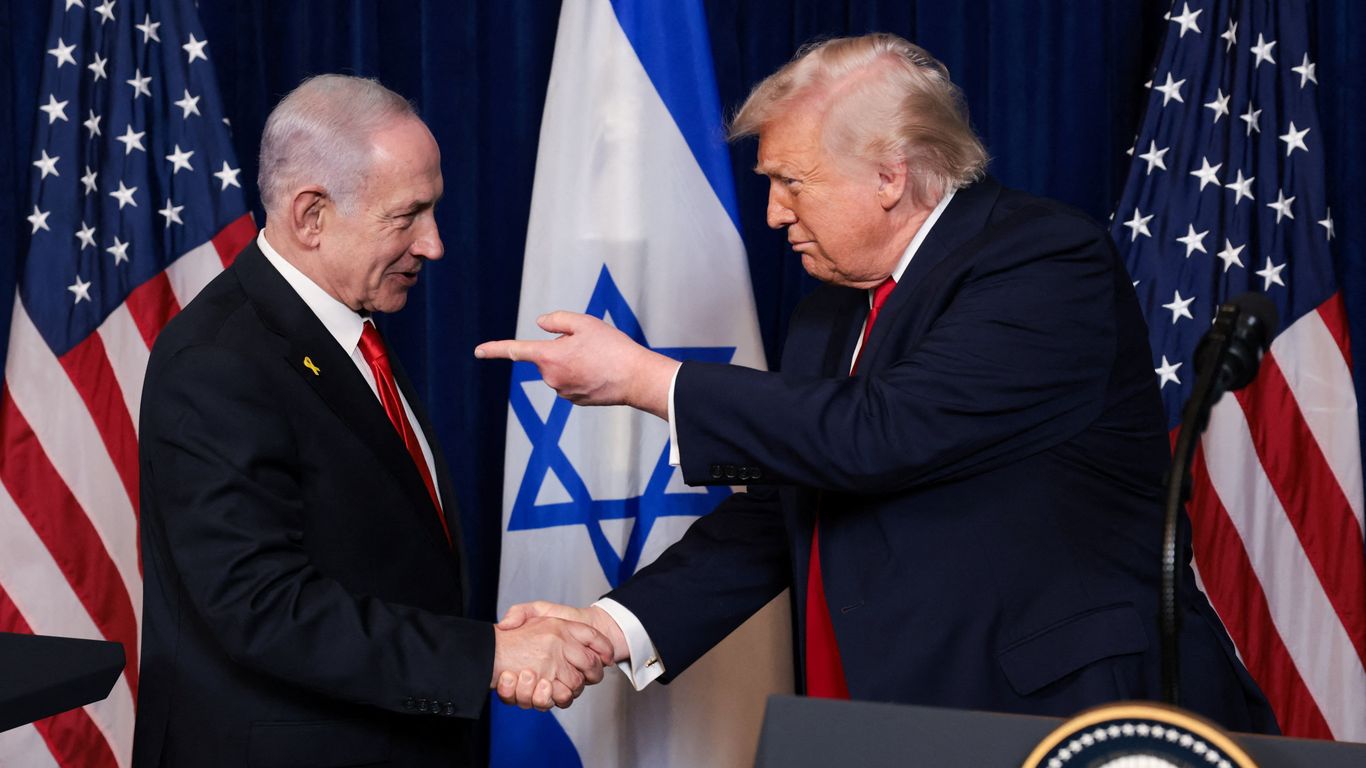
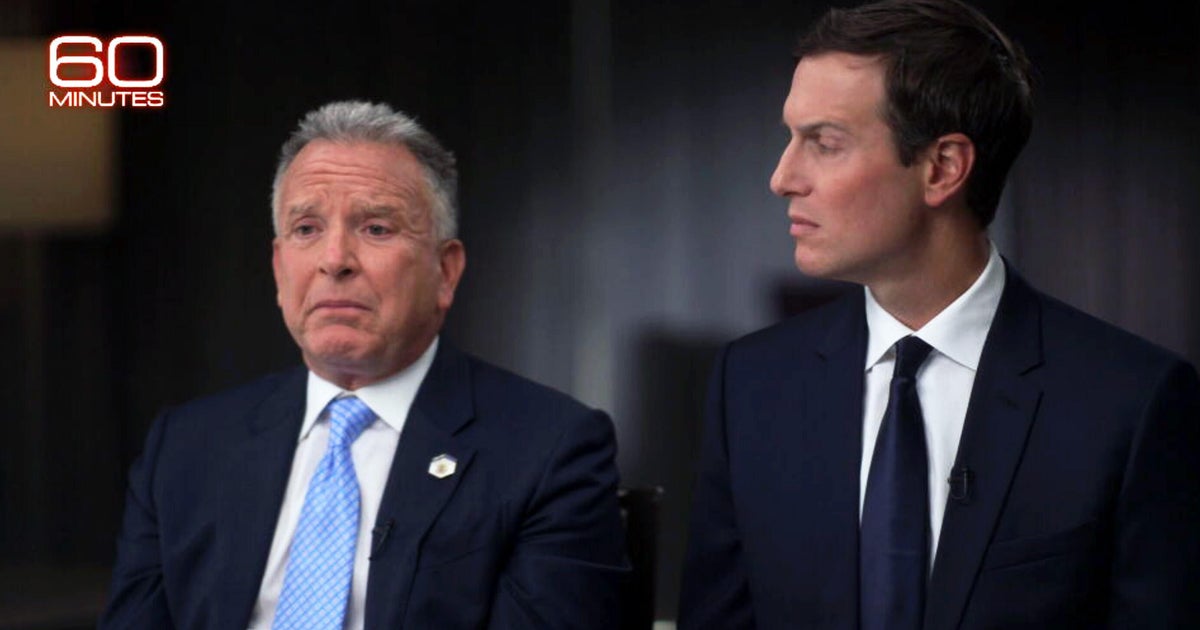
Senior Israeli and Syrian officials met in Paris under United States auspices for groundbreaking security discussions. This trilateral engagement marks a significant diplomatic development following Syria's political transition. The meeting focused on establishing mutual respect for Syria's sovereignty, ensuring Israel's security, and creating pathways for regional prosperity and cooperation between the two nations.
Joint Intelligence Mechanism Established
A pivotal outcome involves creating a dedicated joint fusion mechanism—a specialized communications cell enabling real-time coordination. This platform facilitates intelligence sharing, military de-escalation, and diplomatic engagement under American supervision. The mechanism will operate from a neutral third country with permanent representation from Syrian, Israeli, and American officials, including virtual participation options for enhanced accessibility and continuity.
Future Cooperation and Civilian Engagement
Beyond security arrangements, the parties agreed to initiate discussions on civilian collaboration spanning healthcare, energy, and agriculture sectors. This comprehensive approach demonstrates commitment to genuine partnership transcending traditional conflict patterns. The agreement reflects mutual desire for transparency-based relationships that address historical grievances while accelerating collaborative development and regional stability.
```About the Organizations Mentioned
United States
The **United States** is a federal republic and a global superpower, playing a leading role in economics, military strength, technology, and governance. It is a nation of approximately 348 million people as of 2025, characterized by its diverse population and dynamic economy[8][6]. Founded in 1776 following independence from British rule, the U.S. rapidly evolved into a major world power, especially after World War II, when its technological and economic investments solidified its global dominance[4]. Today, it remains the world’s preeminent military power, with 76% of Americans recognizing this status, while about half view it as the leading economic power globally, though China is seen as a rising competitor[2][3]. The U.S. government operates through a complex system that manages federal finances, taxation, social welfare programs, and trade policies. Recent legislative changes, such as the 2017 Tax Cuts and Jobs Act and the 2025 One Big Beautiful Bill Act, have shaped the tax landscape to influence economic growth, labor markets, and federal revenue[1]. Despite challenges like rising federal deficits projected to reach 6.9% of GDP by 2027, consumer spending remains resilient, and business investment is expected to grow steadily in 2025[5]. In governance, the U.S. is rated "Free" with a score of 84/100 by Freedom House, though concerns about democratic erosion and partisan conflicts persist[6]. Public trust and satisfaction with government services fluctuate, reflecting ongoing debates about policy effectiveness and institutional competence[7]. Technologically, the U.S. maintains a critical edge, underpinning its economic and geopolitical power. Experts warn, however, that technological dominance is not guaranteed indefinitely, emphasizing the need for adaptive policies and international cooperation to sustain leadership in innovation and global affairs[4]. Overall, the United States remains a pivotal force in global business, technology, and politics, balancing historic strengths with contemporary challenges in