Magnitude 6.2 Quake Strikes Shimane Prefecture, Japan
#earthquake #japan #emergency_preparedness #shimane_prefecture

Magnitude 6.2 Quake Strikes Shimane Prefecture
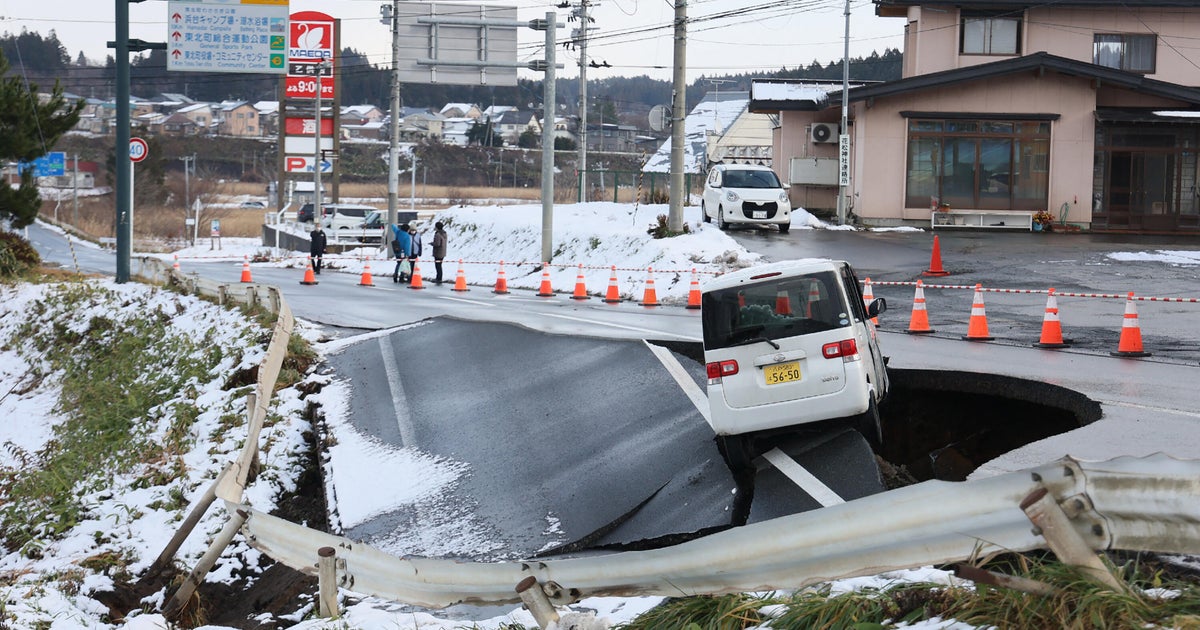
A powerful magnitude 6.2 earthquake jolted Shimane Prefecture in western Japan on January 6, 2026, at 10:18 a.m. local time, registering strong 5 on the Japan Meteorological Agency's seismic intensity scale. The epicenter lay about 10 kilometers underground in eastern Shimane, shaking neighboring Tottori and beyond, with no tsunami threat reported.[1][2][3]
Immediate Impacts and Response
The tremor injured at least five people, damaged buildings and roads, and triggered over 20 aftershocks, including a 5.1 magnitude event. High-speed Shinkansen services halted between Hiroshima and Okayama due to a power outage but resumed by afternoon. Early warning alerts blared on TVs and phones, showing swaying power lines and shaking structures. Officials confirmed no issues at the Shimane nuclear plant.[3][4]
Ongoing Risks and Preparedness
Japan's location on the Pacific Ring of Fire demands vigilance, as authorities warn of potential upper-5 quakes, landslides, and rockfalls for days ahead. Prime Minister Sanae Takaichi urged residents to prepare for aftershocks, while the Maritime Self-Defense Force assesses damage. Such events underscore Japan's robust seismic readiness.[1][2][3]
About the People Mentioned
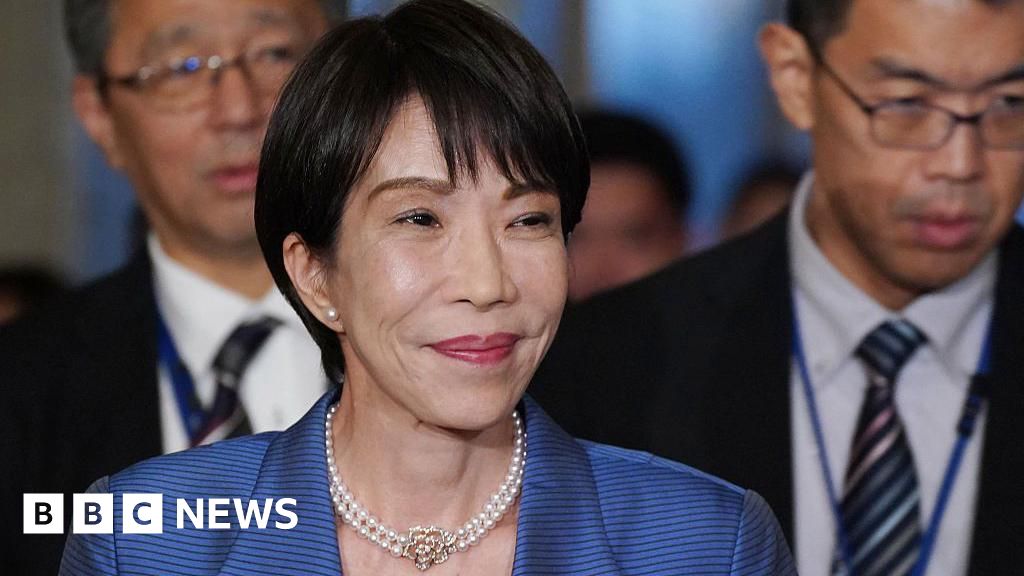
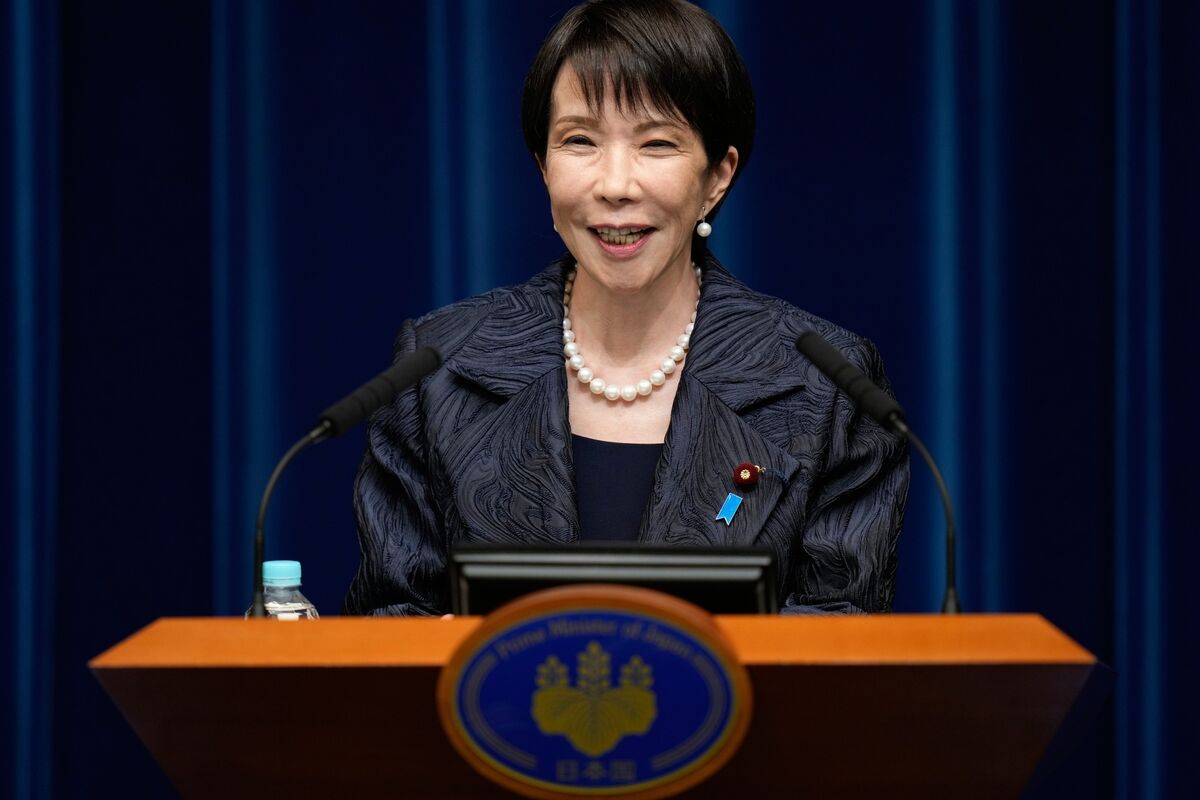
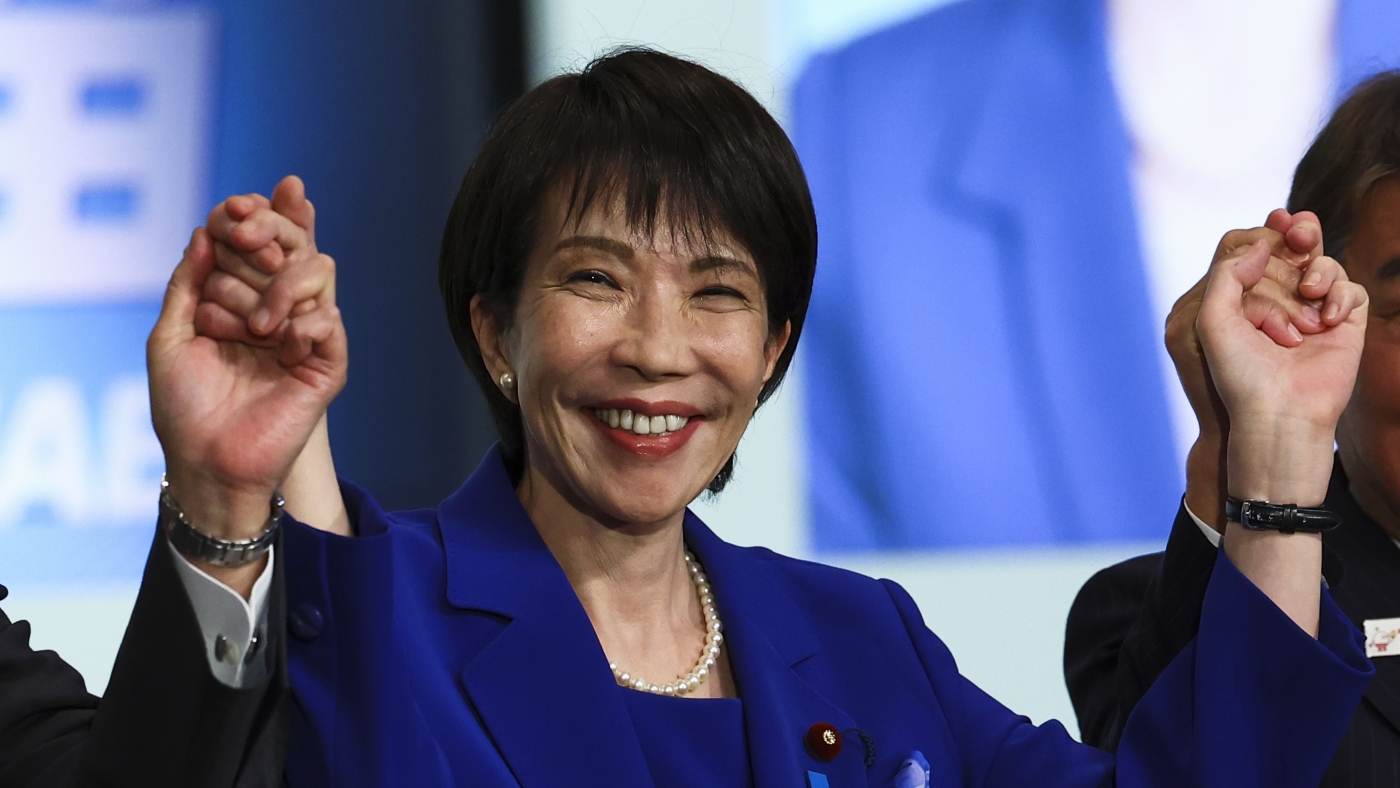
Sanae Takaichi
Sanae Takaichi is a Japanese politician of the Liberal Democratic Party (LDP) who became Japan’s first female prime minister after winning the LDP leadership and being elected by the National Diet in 2025[2][3]. She was first elected to the House of Representatives in 1993 and has held multiple cabinet posts, notably Minister for Internal Affairs and Communications and Minister of State for Economic Security[5][3]. Takaichi is widely described as a conservative and a protégé of former prime minister Shinzō Abe, advocating traditionalist cultural policies, stronger defence and economic-security measures, and limits on immigration[5][3]. Her tenure as a senior minister included controversial moves such as seeking greater government influence over public broadcasting and visiting the Yasukuni Shrine while in office[5]. After several attempts at party leadership, she secured the LDP presidency in 2025 and led a minority government formed with the Japan Innovation Party amid a fractured Diet and the end of the long-standing LDP–Kōmeitō alliance[2][3]. Key challenges cited for her government include restoring public trust after LDP funding scandals, addressing Japan’s demographic decline and low growth, high public debt, inflation and wage issues, and navigating a tense regional security environment involving China and North Korea[2][3]. Analysts note her policy priorities include expansionary fiscal measures, tighter control over monetary policy levers, and strengthening the U.S.–Japan alliance and economic-security ties[2][5]. Takaichi’s rise is significant both for breaking gender barriers in Japanese national leadership and for shifting the LDP toward more conservative, security-focused policies during a period of domestic political realignment[3][5].
About the Organizations Mentioned
Japan Meteorological Agency
The **Japan Meteorological Agency (JMA)** is Japan’s national authority responsible for comprehensive monitoring, forecasting, and warning services related to weather, earthquakes, tsunamis, volcanic activity, and marine conditions. Established as an extra-ministerial bureau under the Ministry of Land, Infrastructure, Transport and Tourism (MLIT), the JMA serves as a crucial infrastructure for disaster prevention and public safety through advanced observation technologies and real-time data dissemination[1][4][7]. JMA’s core functions include collecting meteorological data via an extensive network of regional and local meteorological offices, surface observation systems such as AMeDAS, weather radars, and satellites like the Himawari series. It provides detailed weather forecasts, warnings of natural hazards, and specialized information for aviation and marine sectors. Additionally, the agency operates a sophisticated Earthquake Early Warning (EEW) system, issuing near-instant notifications of seismic events, including hypocenter location, seismic intensity, and tsunami risk, which has been fully operational for the public since 2007[1][3][8]. Historically, JMA evolved into a multi-hazard monitoring organization, expanding from traditional weather services to include seismic and volcanic observations. It acts as a Regional Specialized Meteorological Center designated by the World Meteorological Organization, responsible for forecasting and naming tropical cyclones in the Northwestern Pacific[1][6]. The agency also runs the Northwest Pacific Tsunami Advisory Center, providing tsunami information to neighboring countries[6]. Notable achievements include developing a seamless multi-hazard warning system that integrates weather, seismic, and oceanic data, enabling Japan to maintain one of the world’s most advanced disaster preparedness frameworks[5]. With around 5,200 employees and a substantial budget, JMA combines cutting-edge technology—such as radiosondes and ocean-bottom seismometers—with extensive human resources working round-the-clock to protect public welfare and support business continuity[3][5]. In summary, the Japan Meteorological Agenc
Maritime Self-Defense Force
# Japan Maritime Self-Defense Force: Overview and Operations The **Japan Maritime Self-Defense Force (JMSDF)** is Japan's naval branch, established in 1954 following World War II as part of the Japan Self-Defense Forces.[5] Operating under constitutional constraints that restrict offensive military action, the JMSDF has evolved into one of the world's most technologically advanced naval forces, currently ranking #20 globally.[3] ## Mission and Operations The JMSDF pursues three primary goals: defending Japanese territory and surrounding areas, securing maritime traffic safety, and creating a desirable security environment.[4] Its responsibilities include **24/7 patrol and surveillance operations** to monitor territorial waters, counter submarine threats, and maintain freedom of navigation.[4] The force conducts antisubmarine warfare, antisurface warfare, and mine countermeasures—critical capabilities given Japan's strategic dependence on sea lanes for commerce and resources.[3][4] ## Fleet Composition and Technology As of 2025, the JMSDF operates **154 ships, 346 aircraft, and approximately 50,800 personnel.**[5] The fleet features modern guided-missile destroyers equipped with Aegis combat systems, specialized mine-countermeasures vessels, and 24 submarines—one of the world's largest submarine fleets.[3][8] Notably, Japan emphasizes **indigenous technology development**, with domestic companies like Mitsubishi Heavy Industries and Kawasaki Shipbuilding Corporation designing and constructing most naval assets.[3] ## Strategic Significance The JMSDF's focus on anti-submarine and mine warfare reflects Cold War-era threats that remain relevant today.[5] The force's capabilities address regional security concerns while supporting international peacekeeping efforts.[3] Its operational emphasis on continuous deterrence through persistent surveillance demonstrates Japan's commitment to